Modus Operandi
Press Release
Modus Operandi
The School | Jack Shainman Gallery
25 Broad Street, Kinderhook, NY
May 30–November 28, 2026
Opening reception Saturday, May 30, from 1–6PM
PRESS
Chronogram
Hudson Valley Magazine
Upstate Diary
Fine Art Globe
PRESS RELEASE
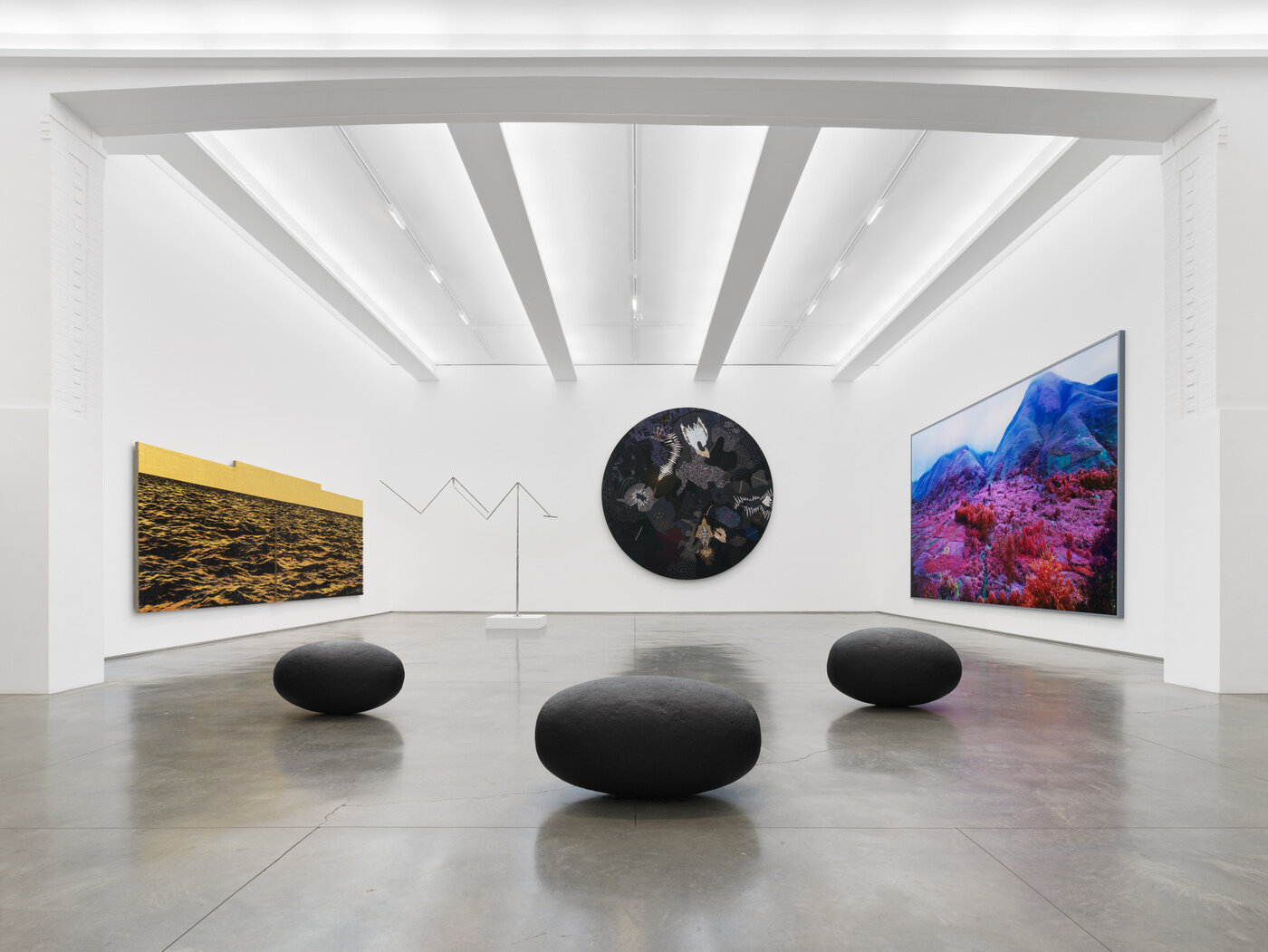
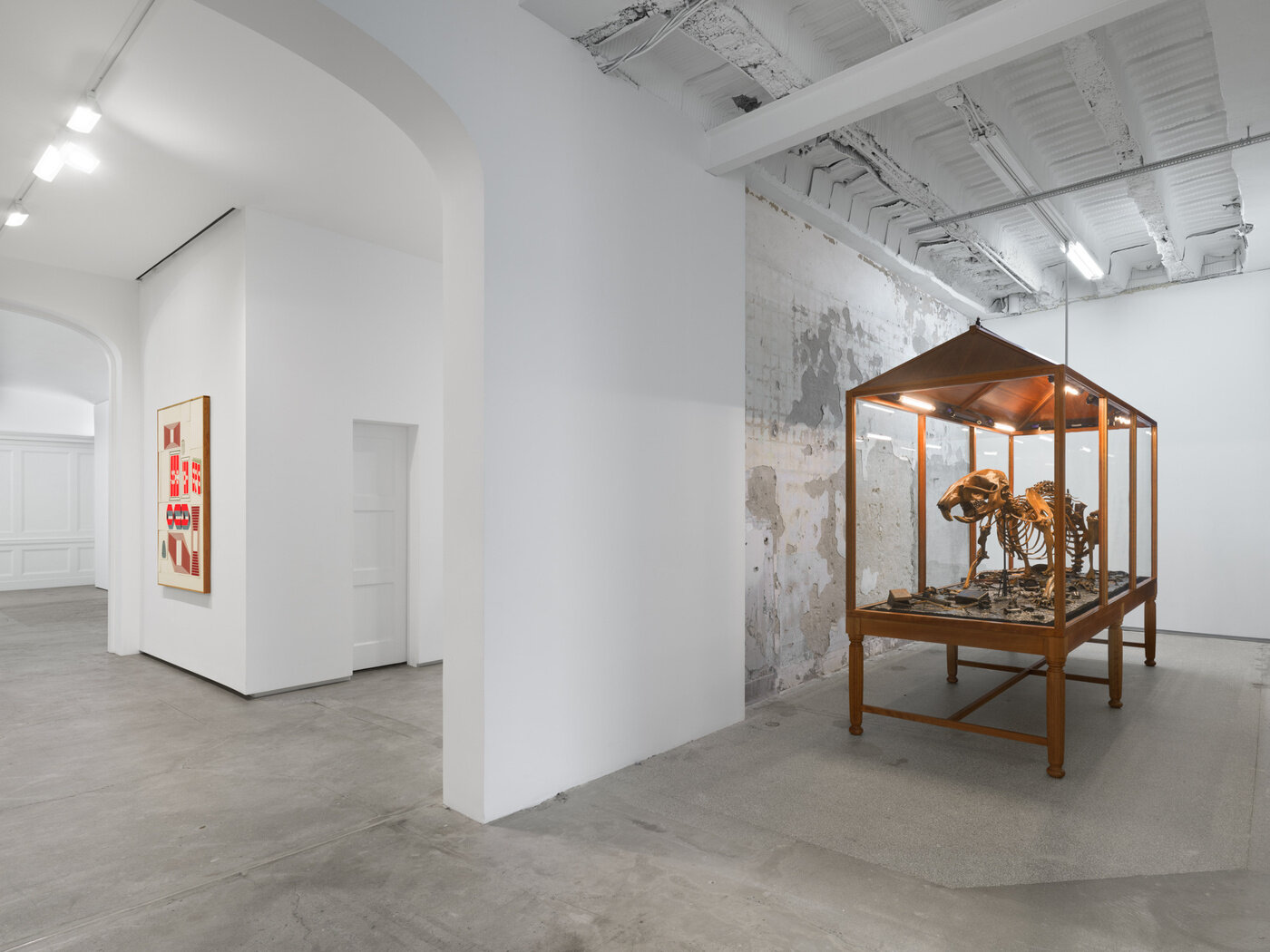
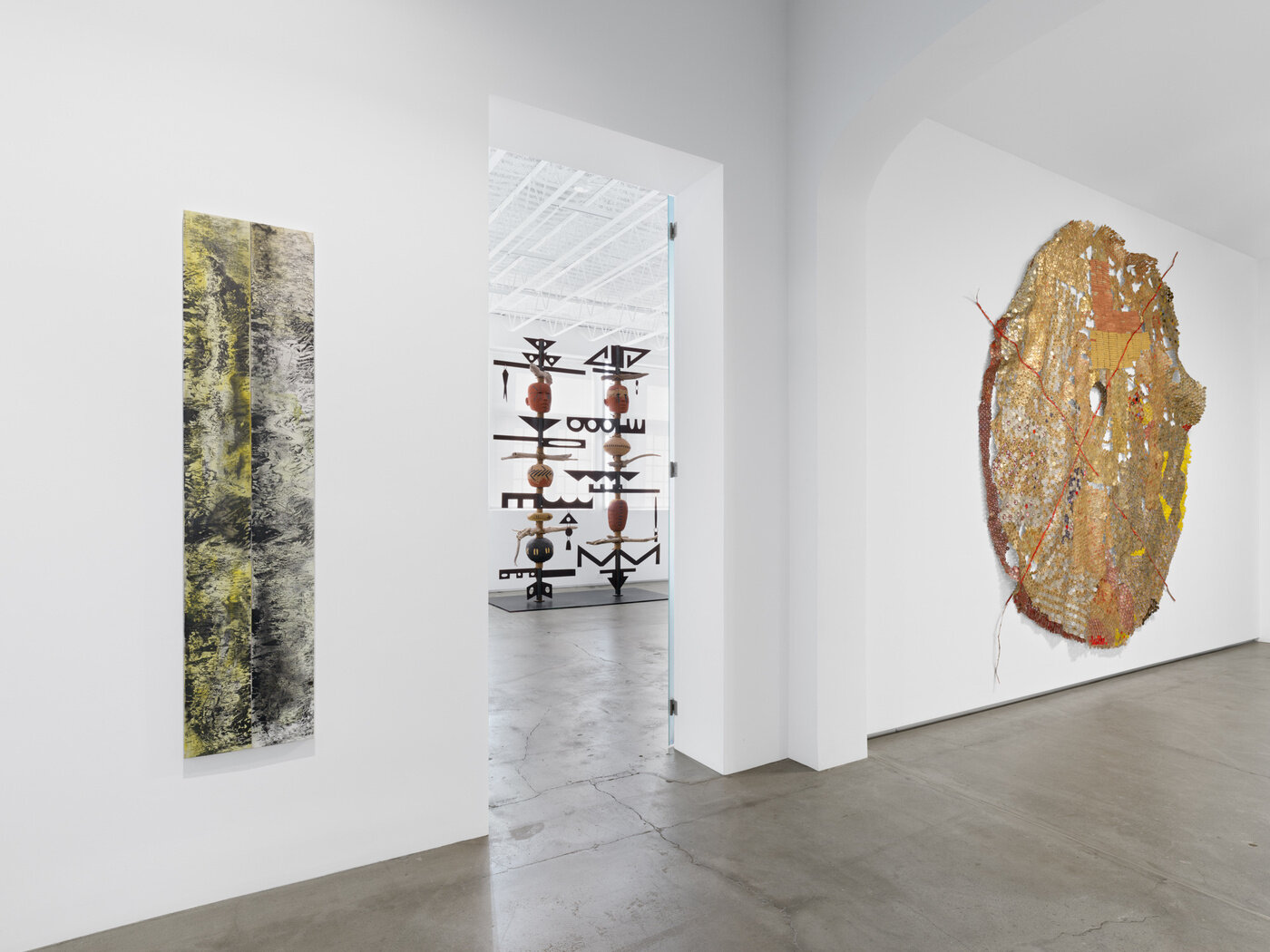
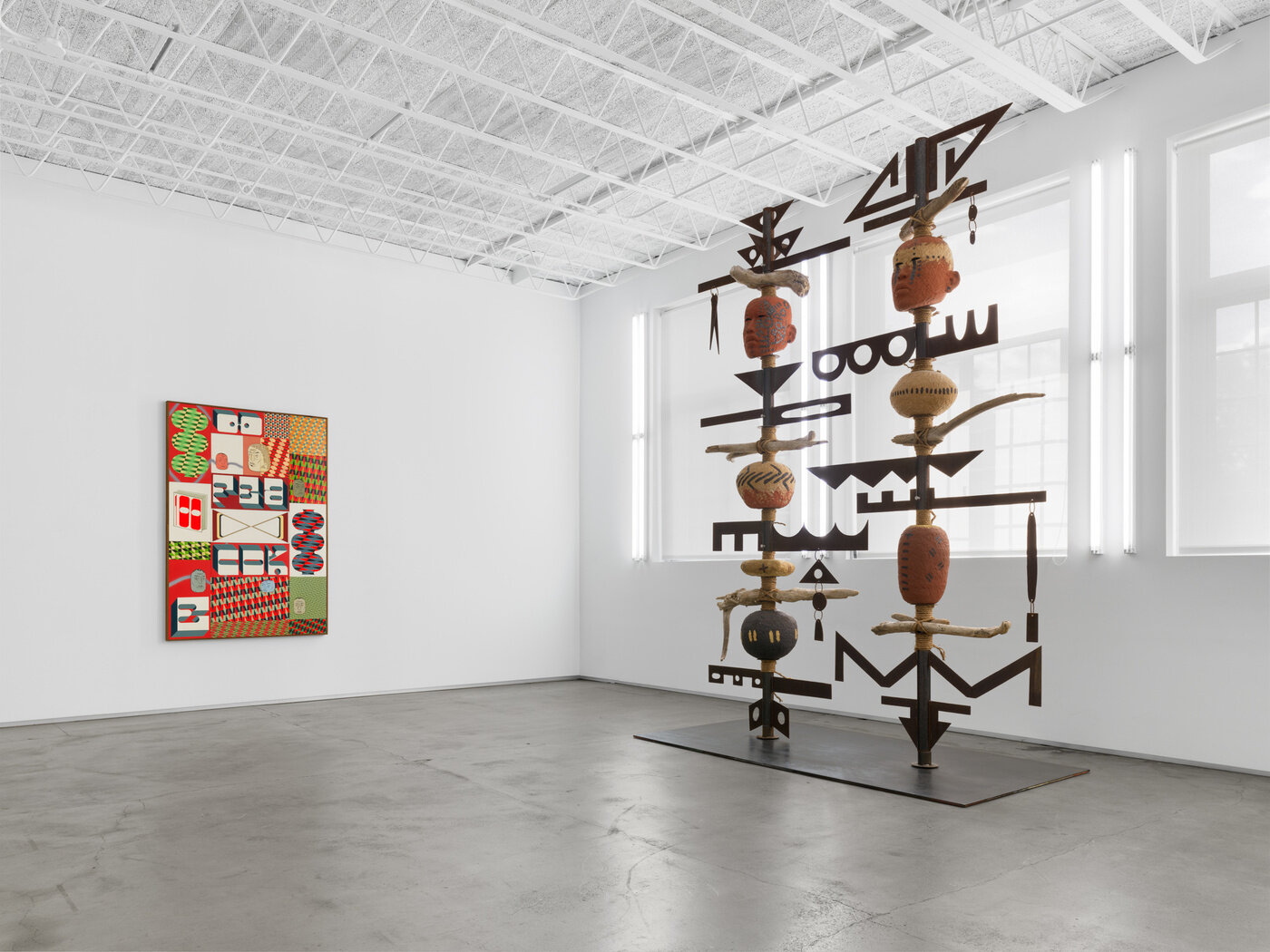
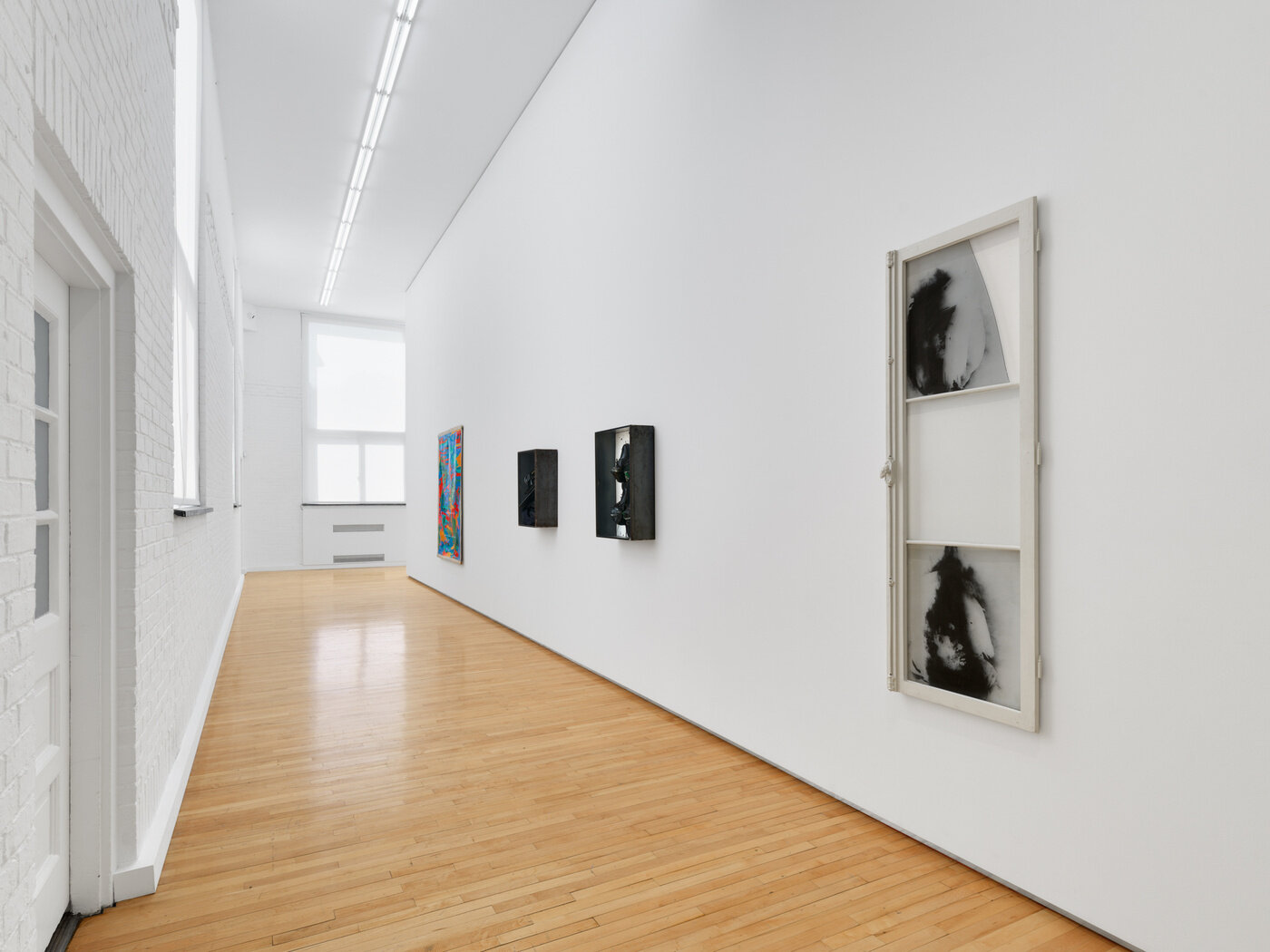
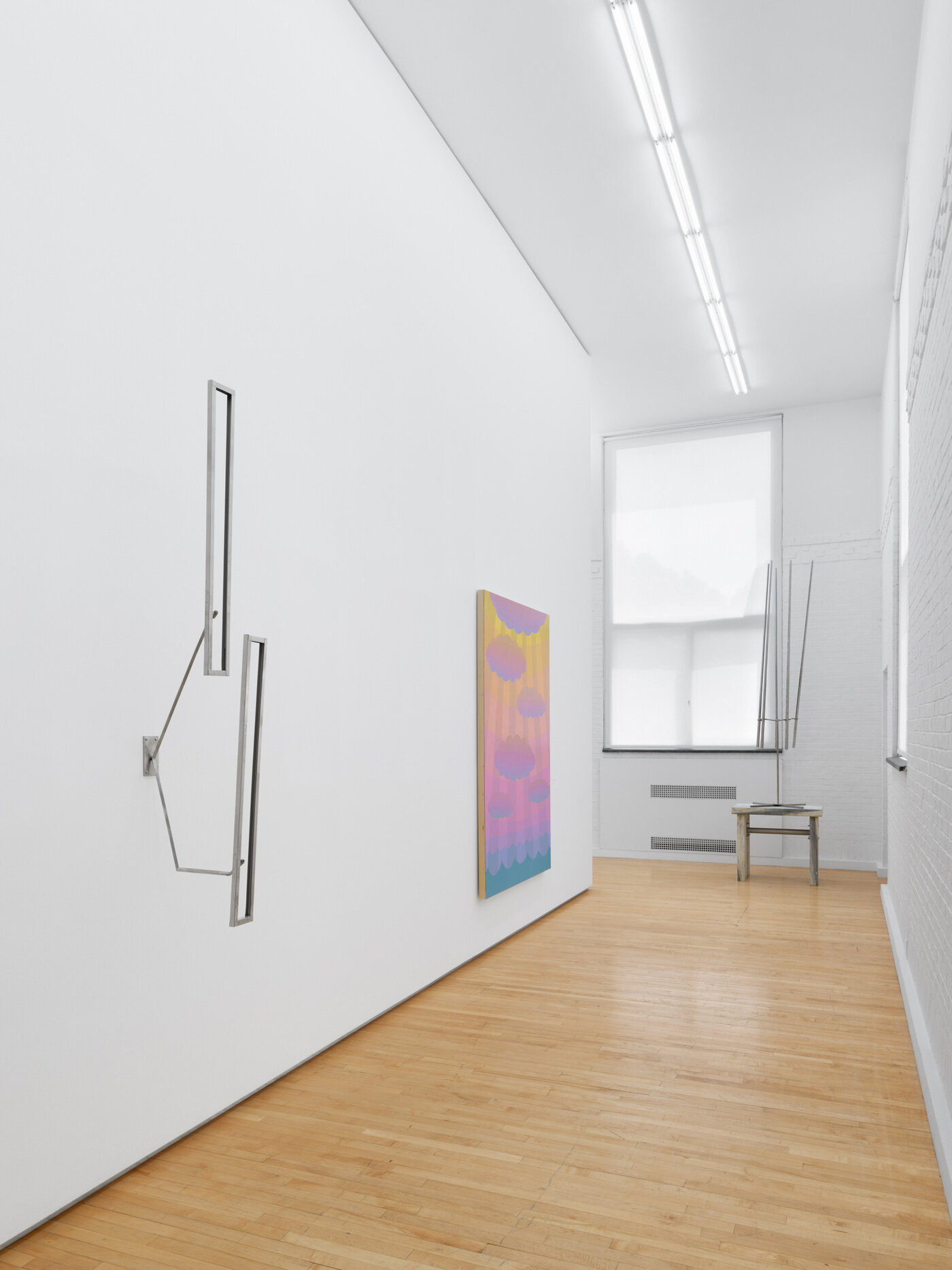
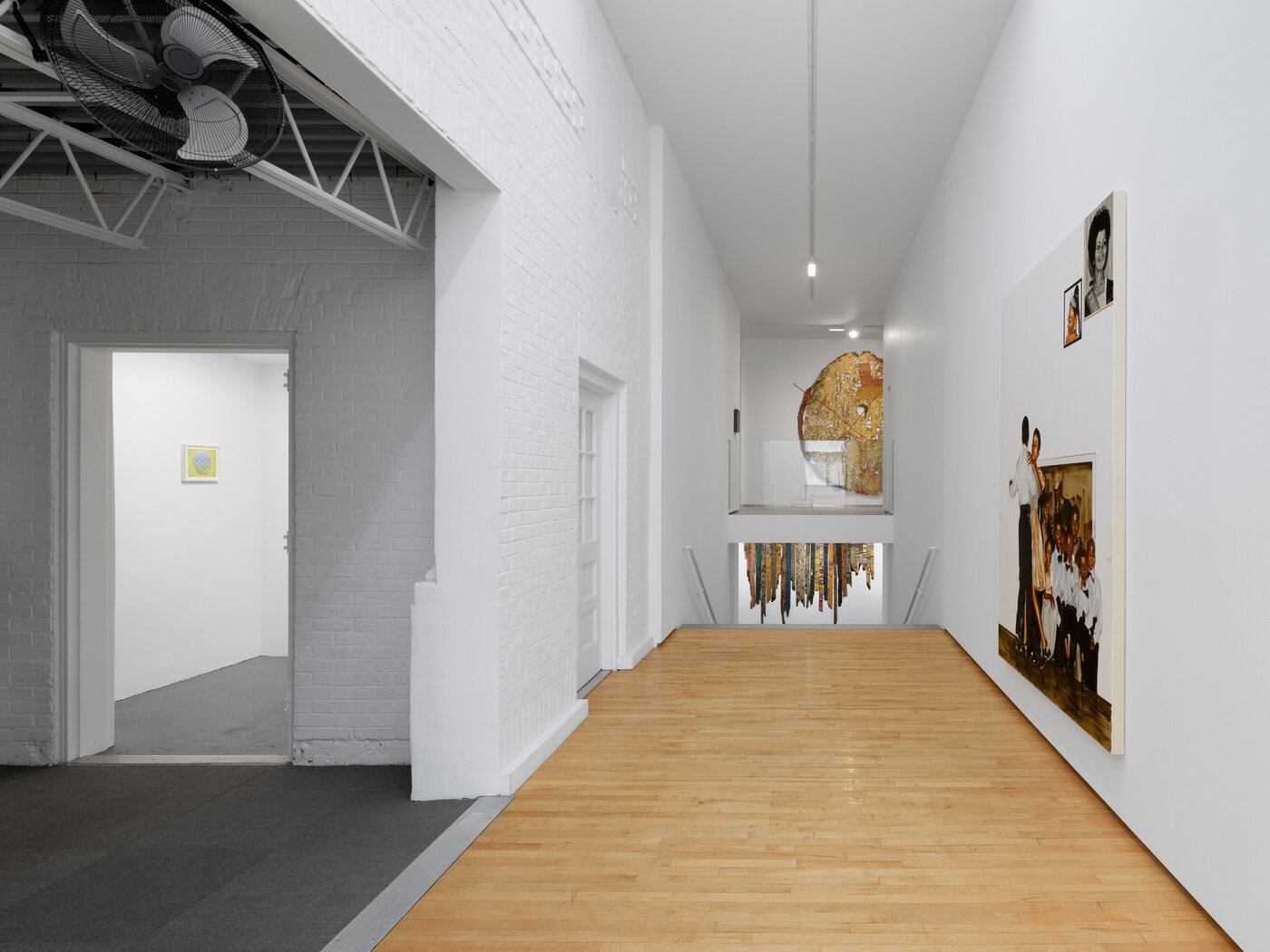
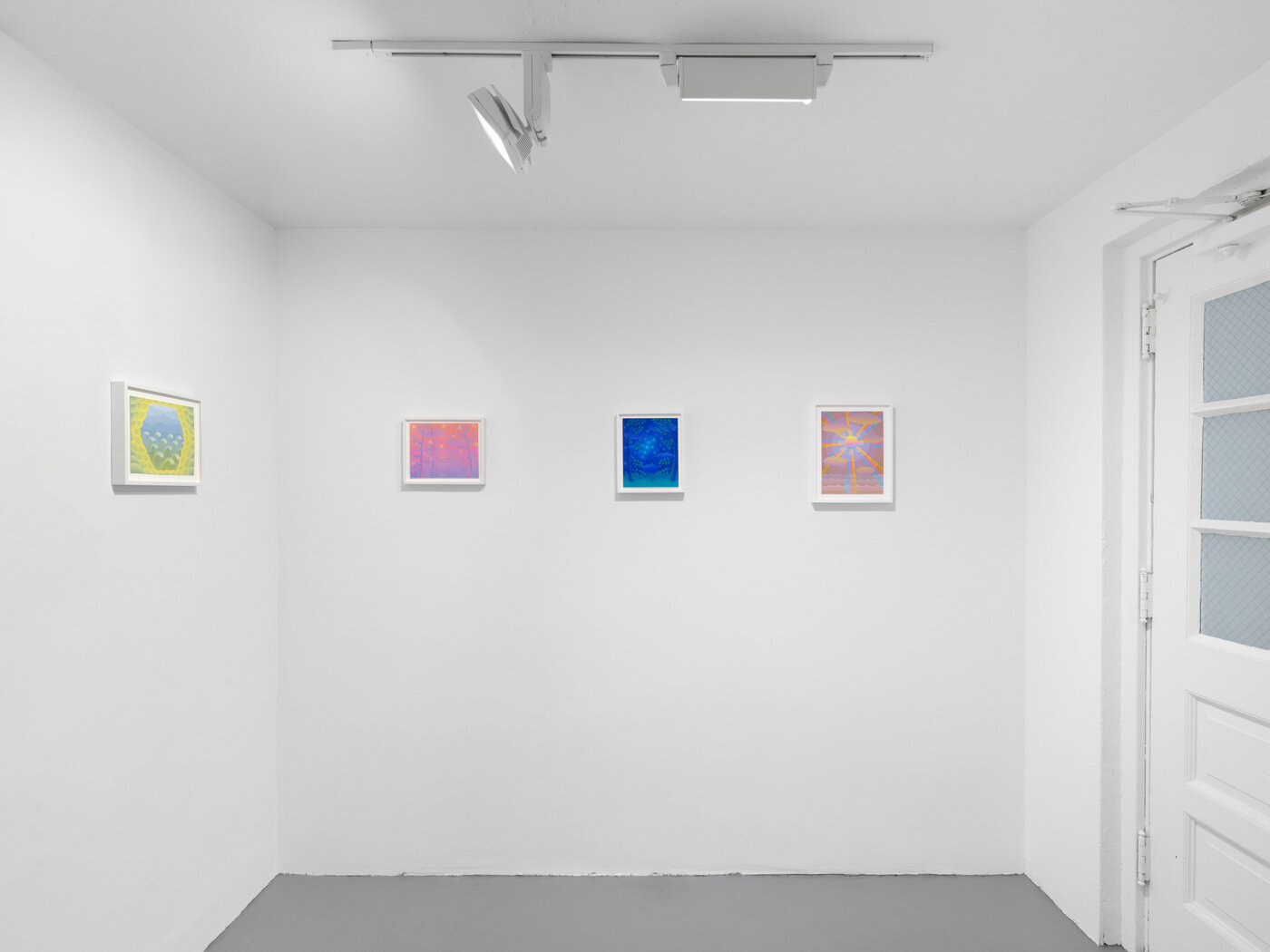
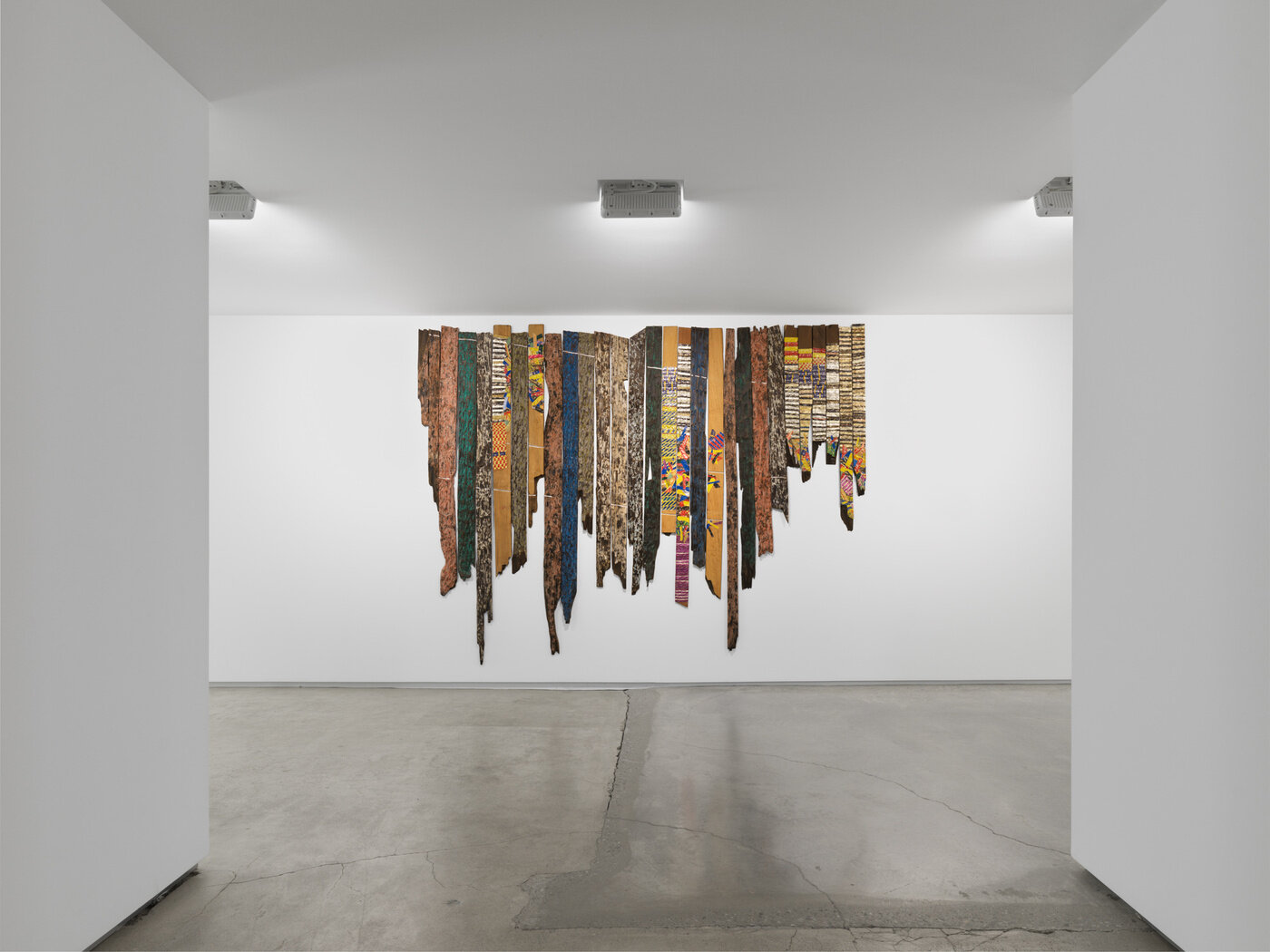
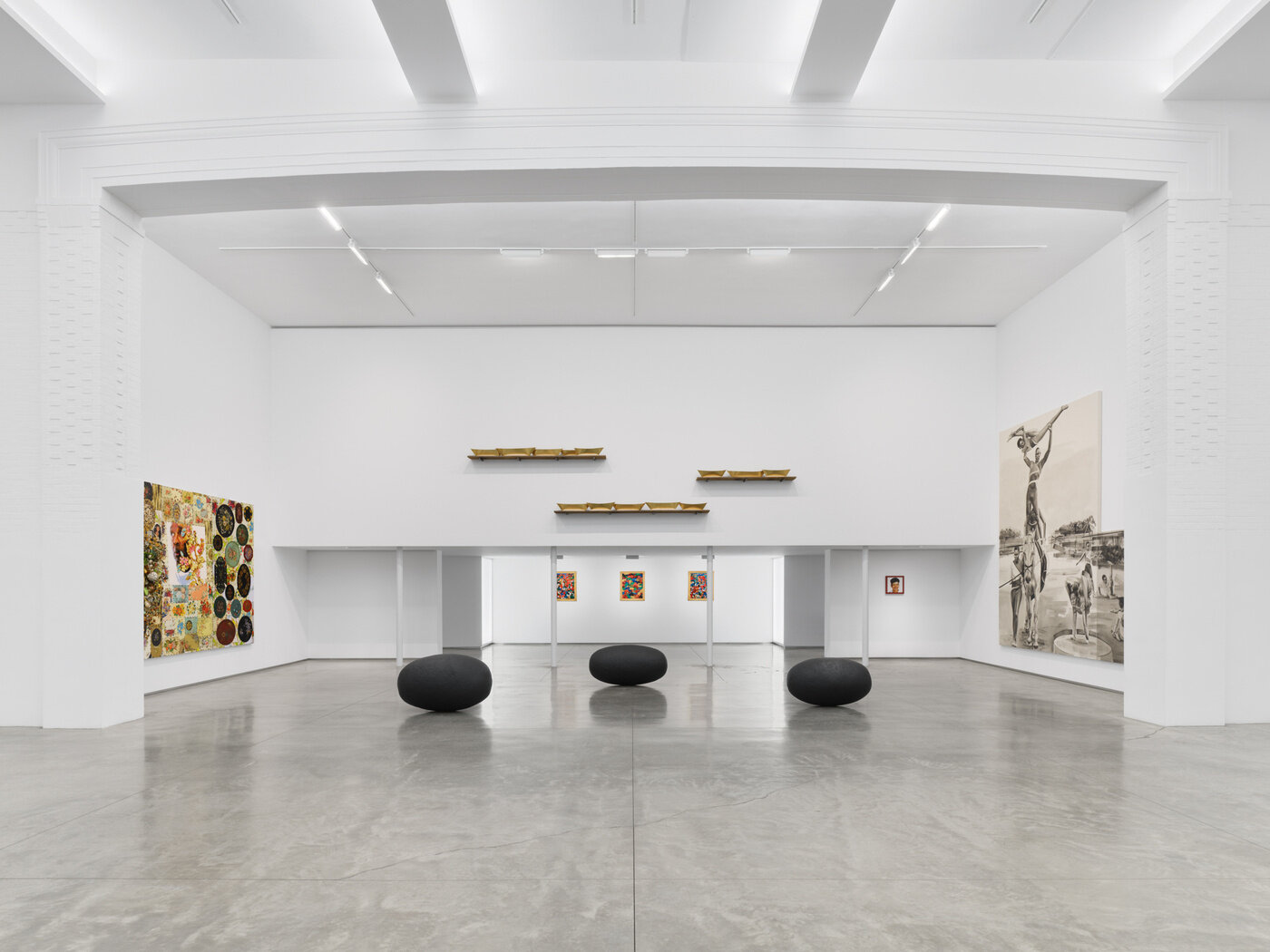
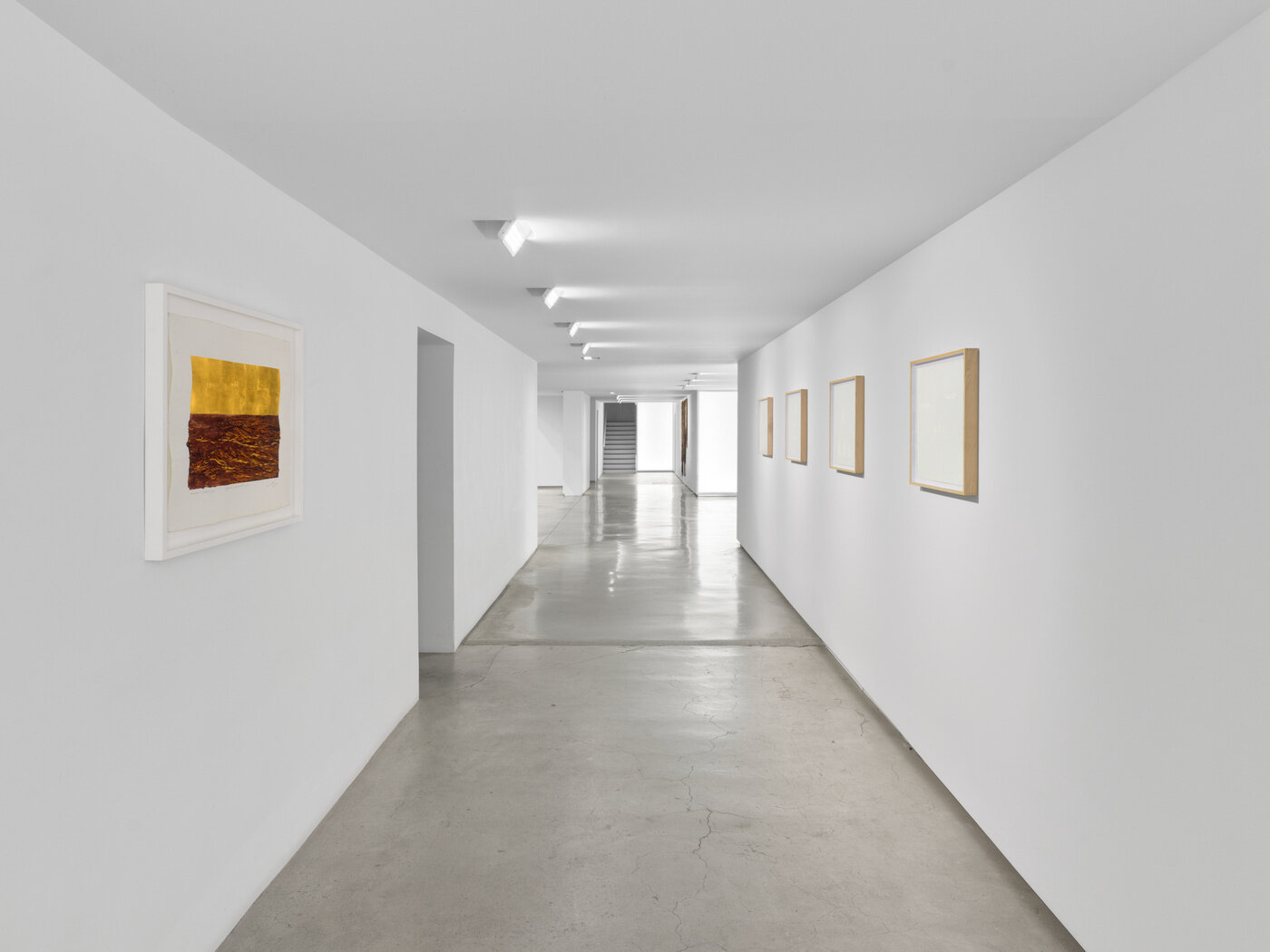
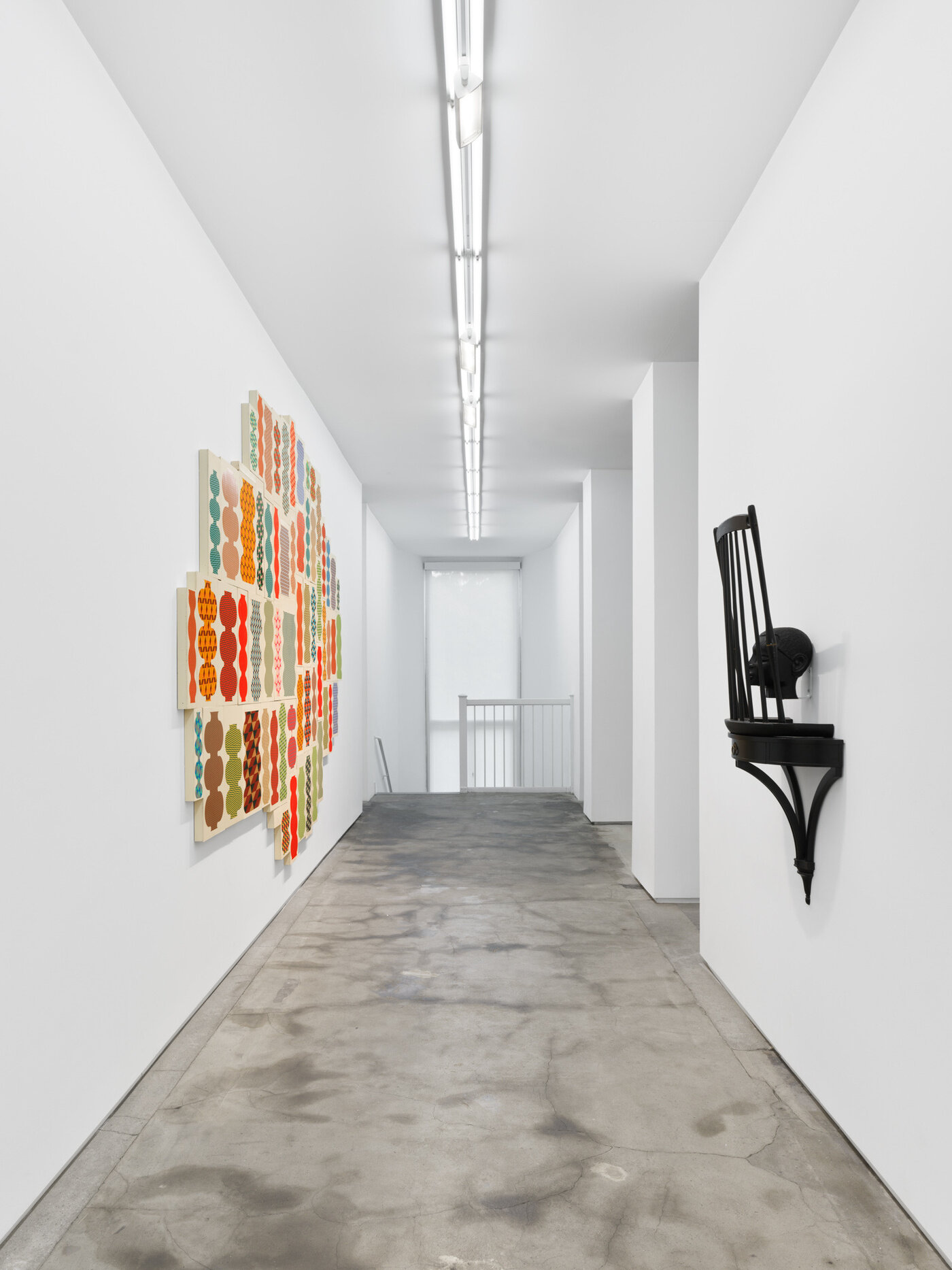
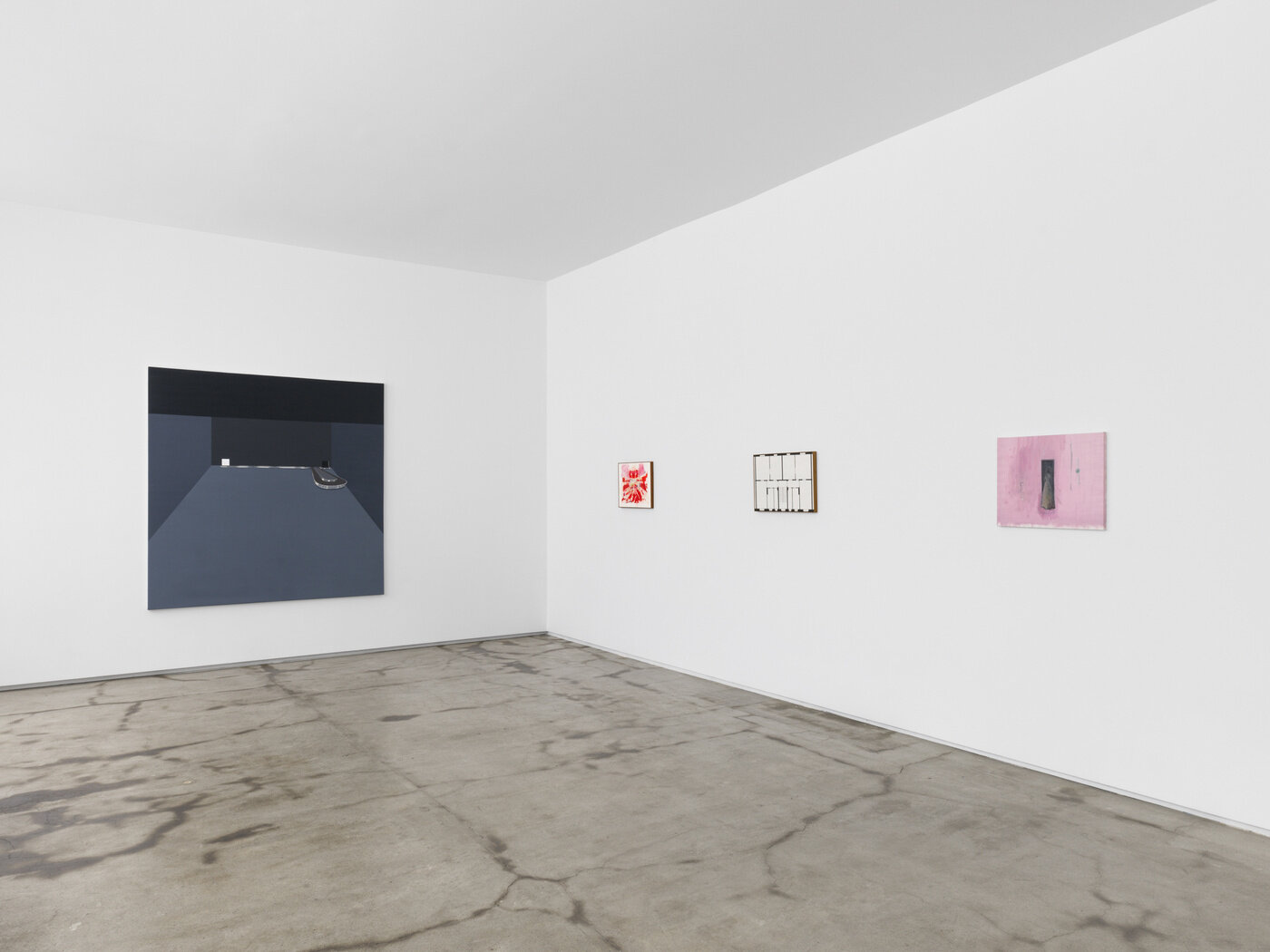
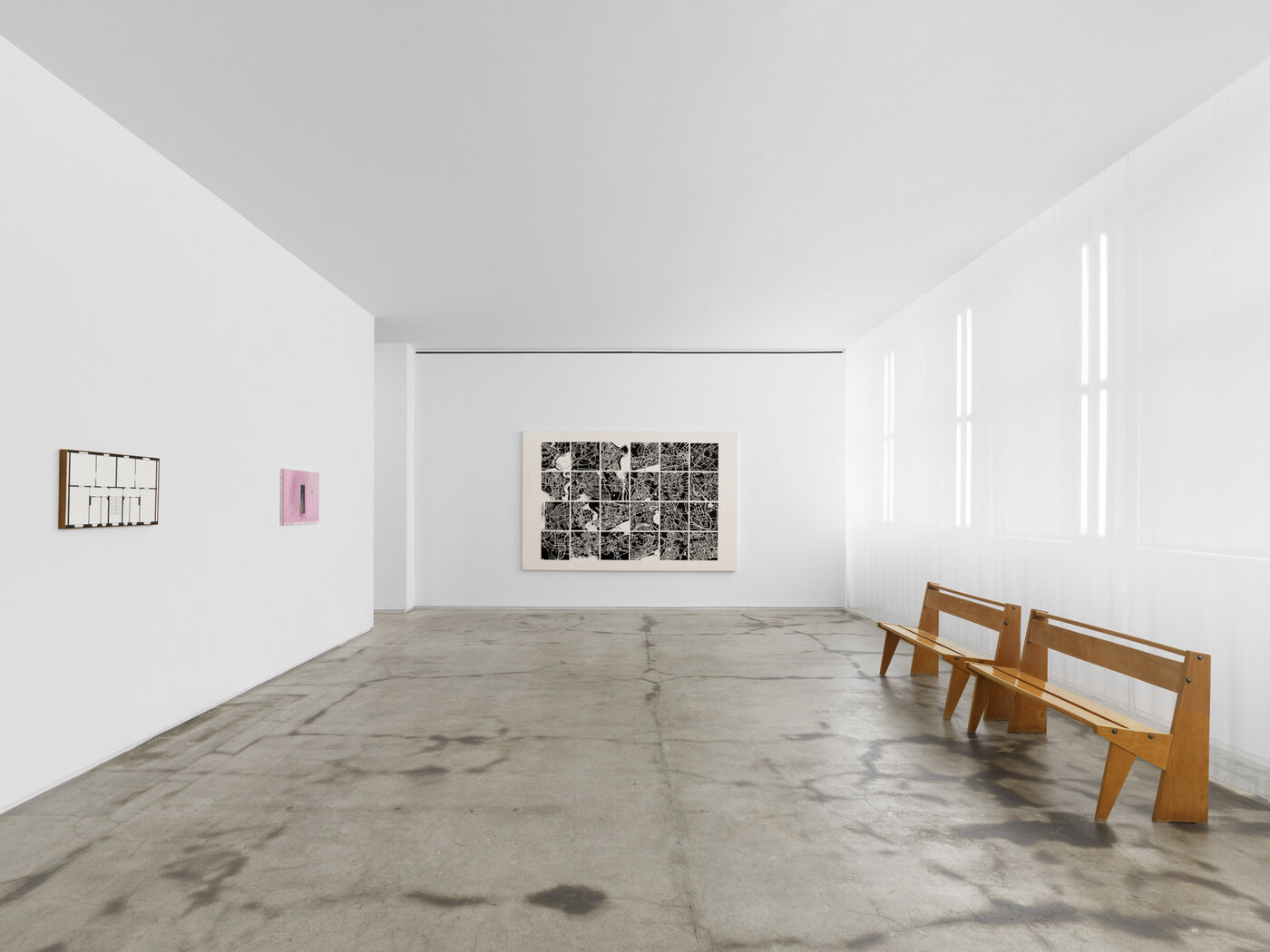
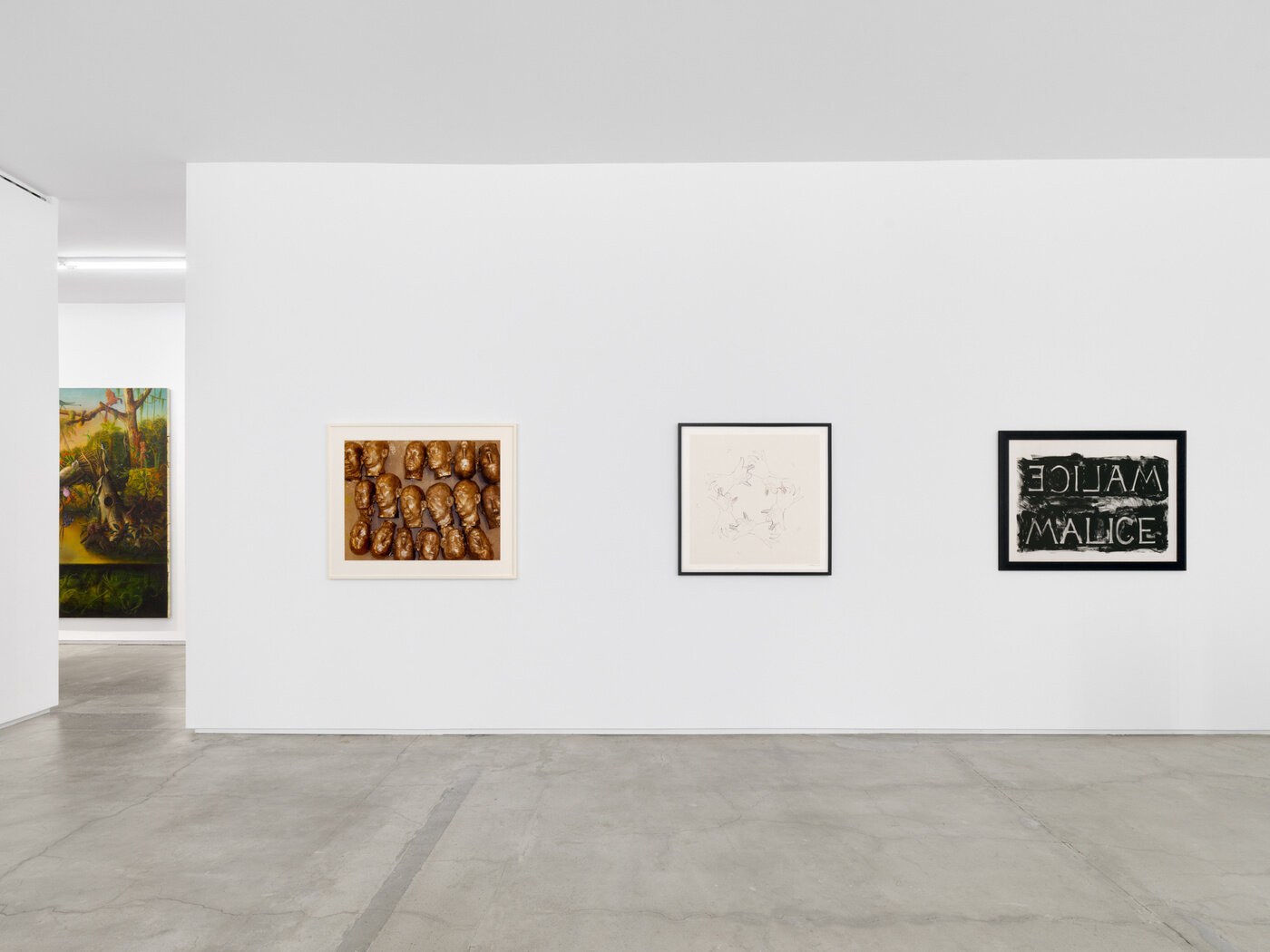
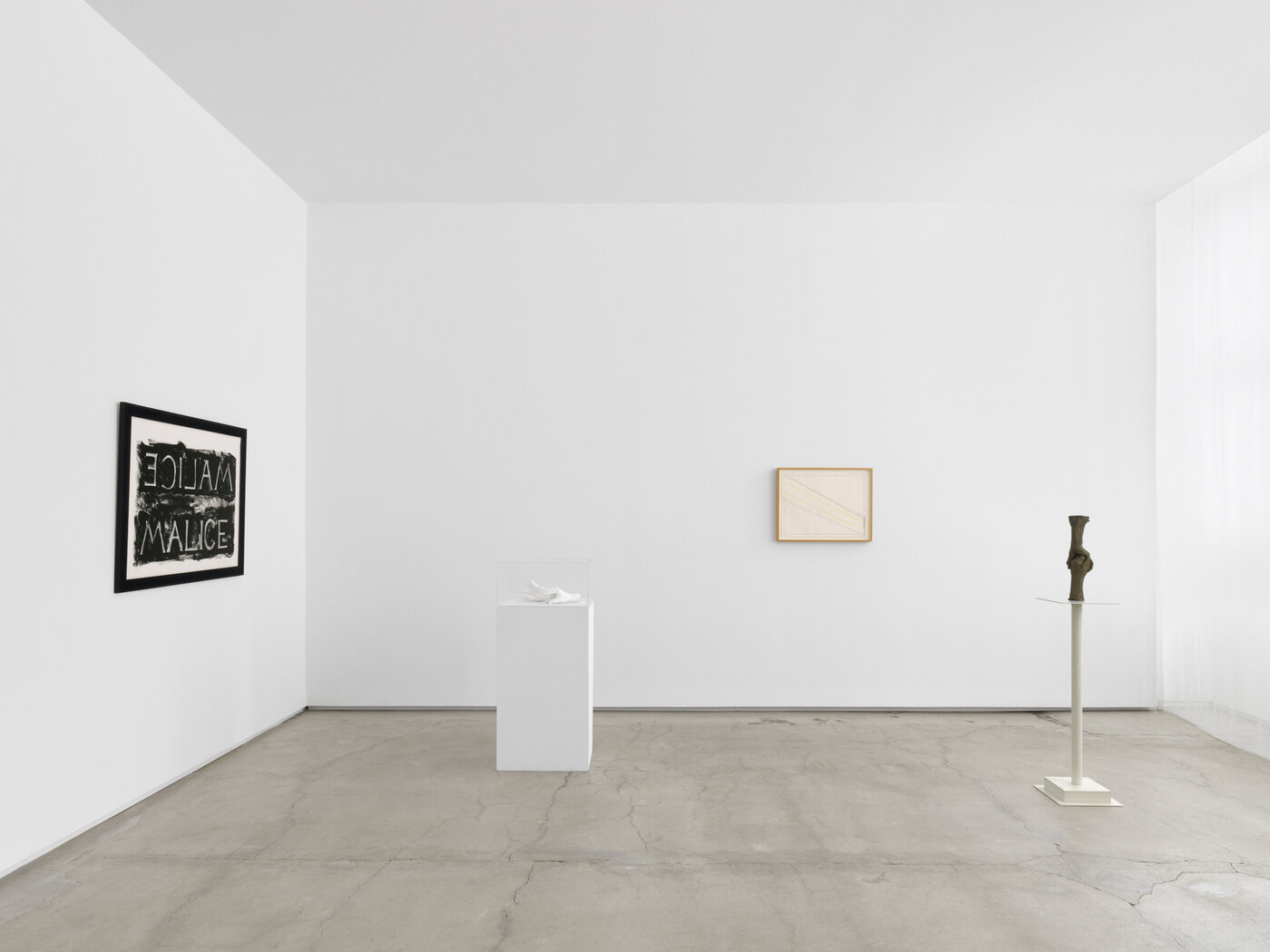
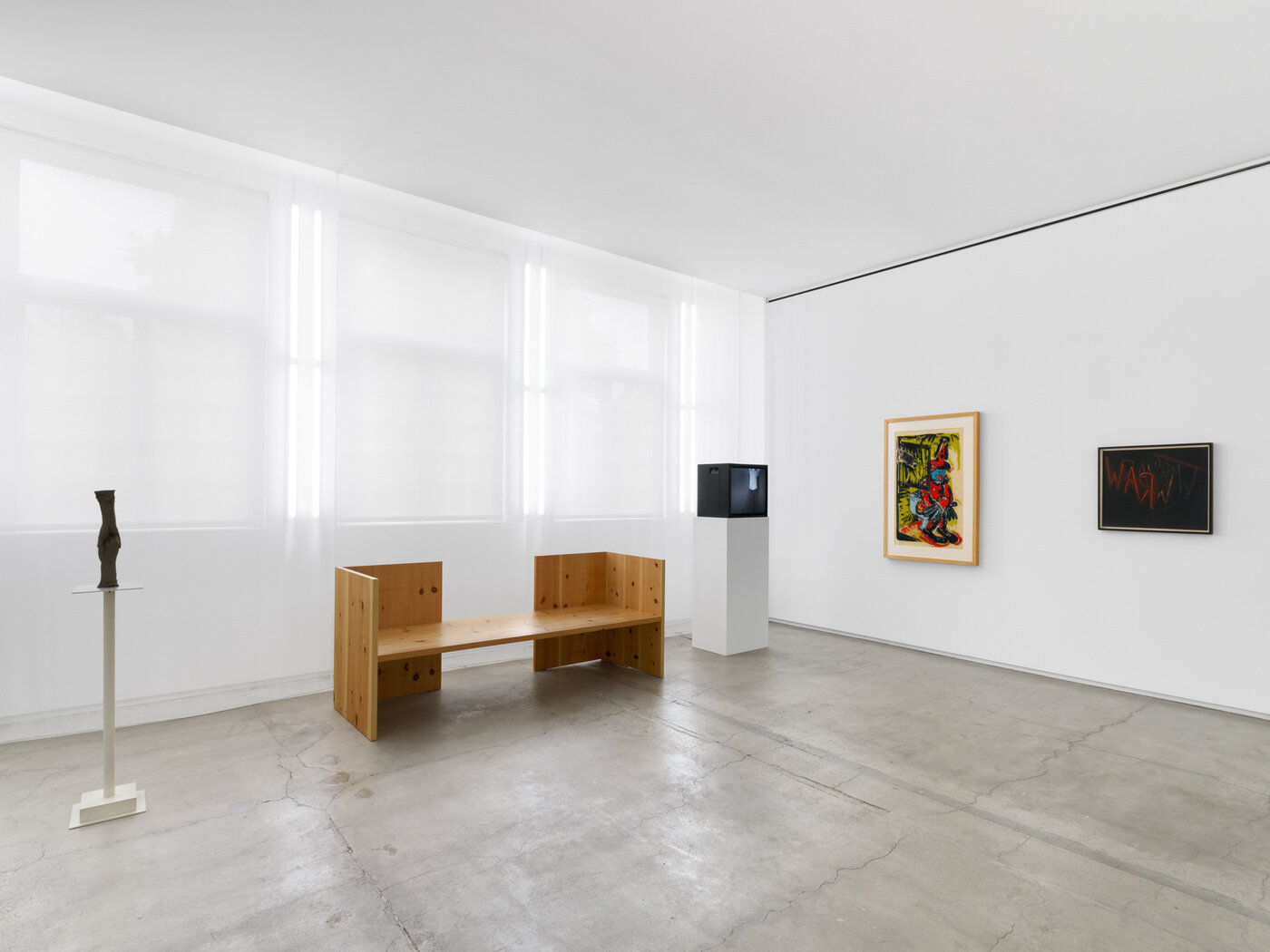
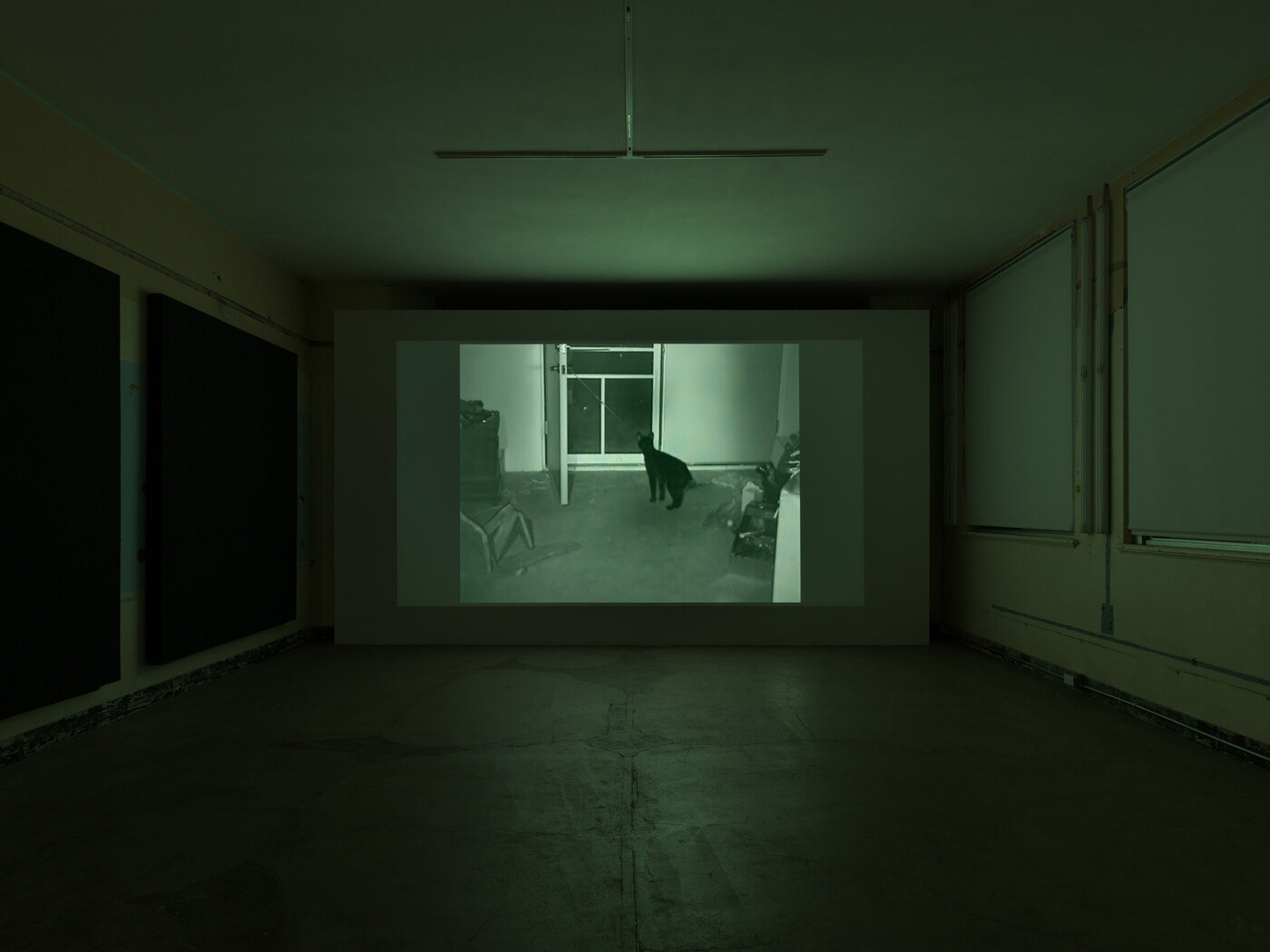
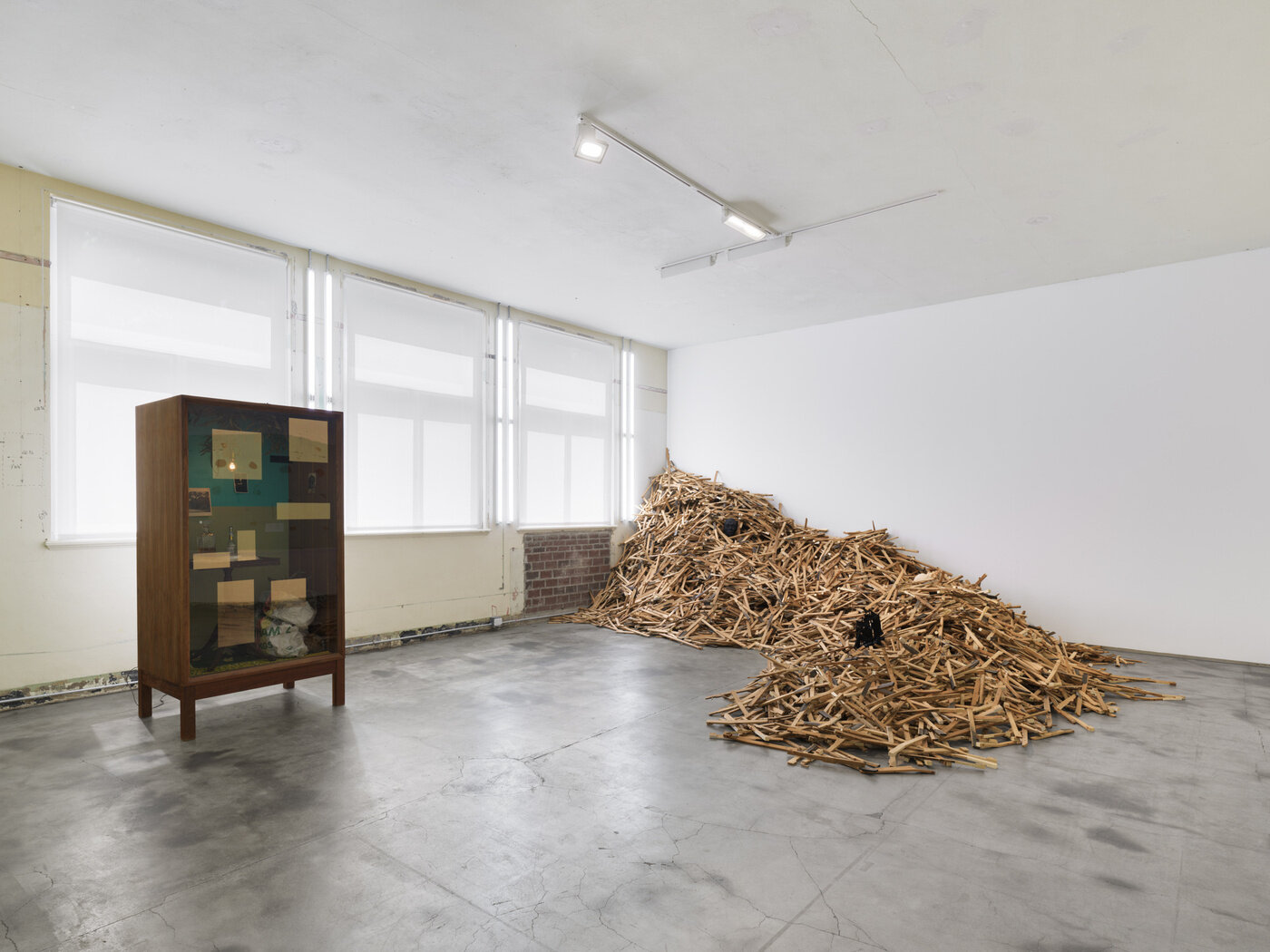
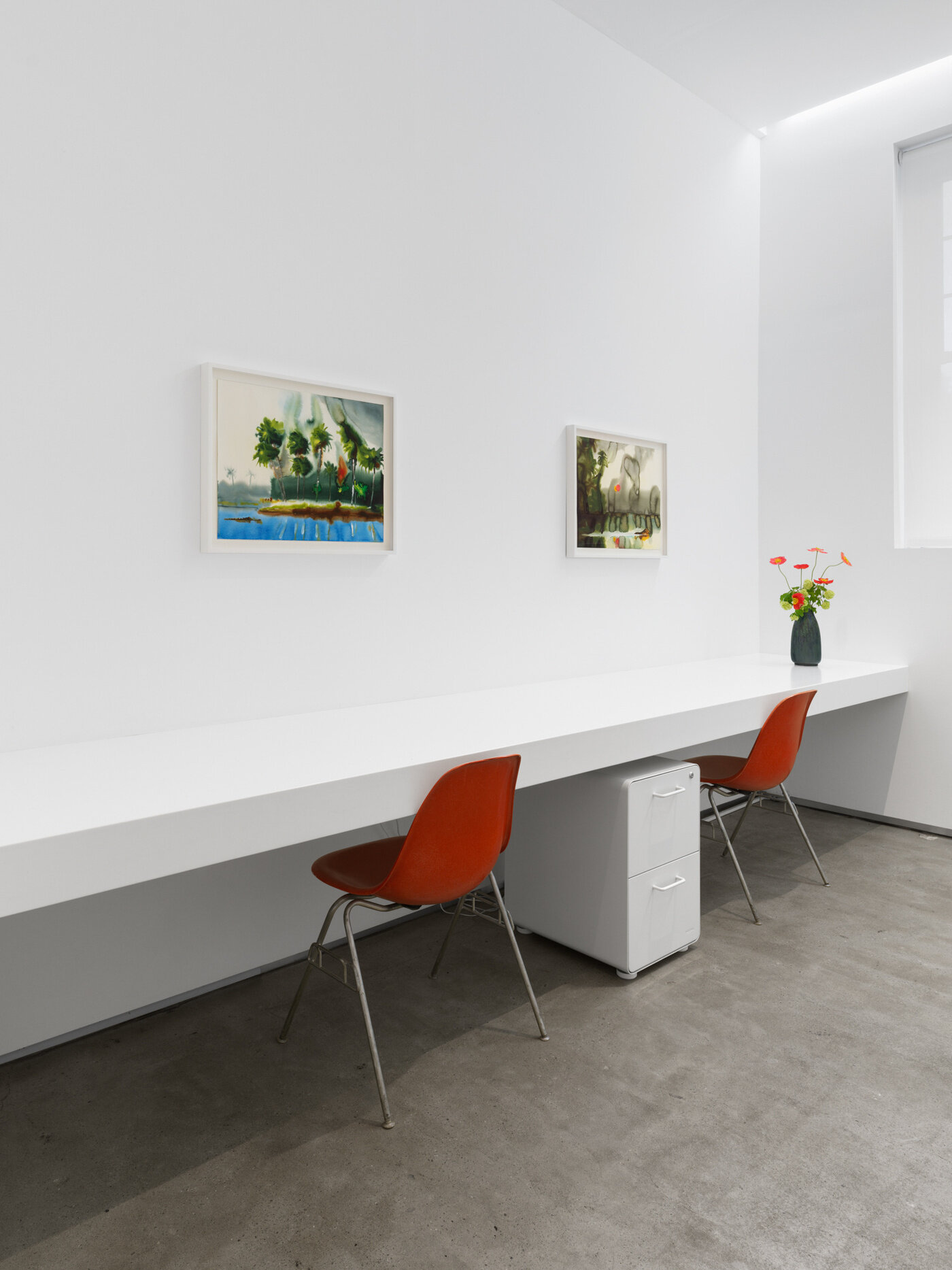
Jack Shainman Gallery is pleased to present Modus Operandi at The School, on view from May 30 through November 28, 2026. Bringing together work by nearly twenty artists across painting, sculpture, textile, photography and video, the exhibition considers method not simply as process but as a way of thinking. Its title, drawn from the Latin phrase for ‘mode of operating,’ reflects how an artist’s method becomes inseparable from meaning. Over time, recurring decisions, materials and forms of attention do more than produce an image or object. They establish a logic of their own. Modus Operandi brings together historically significant work by artists whose methods have shaped the course of their careers.
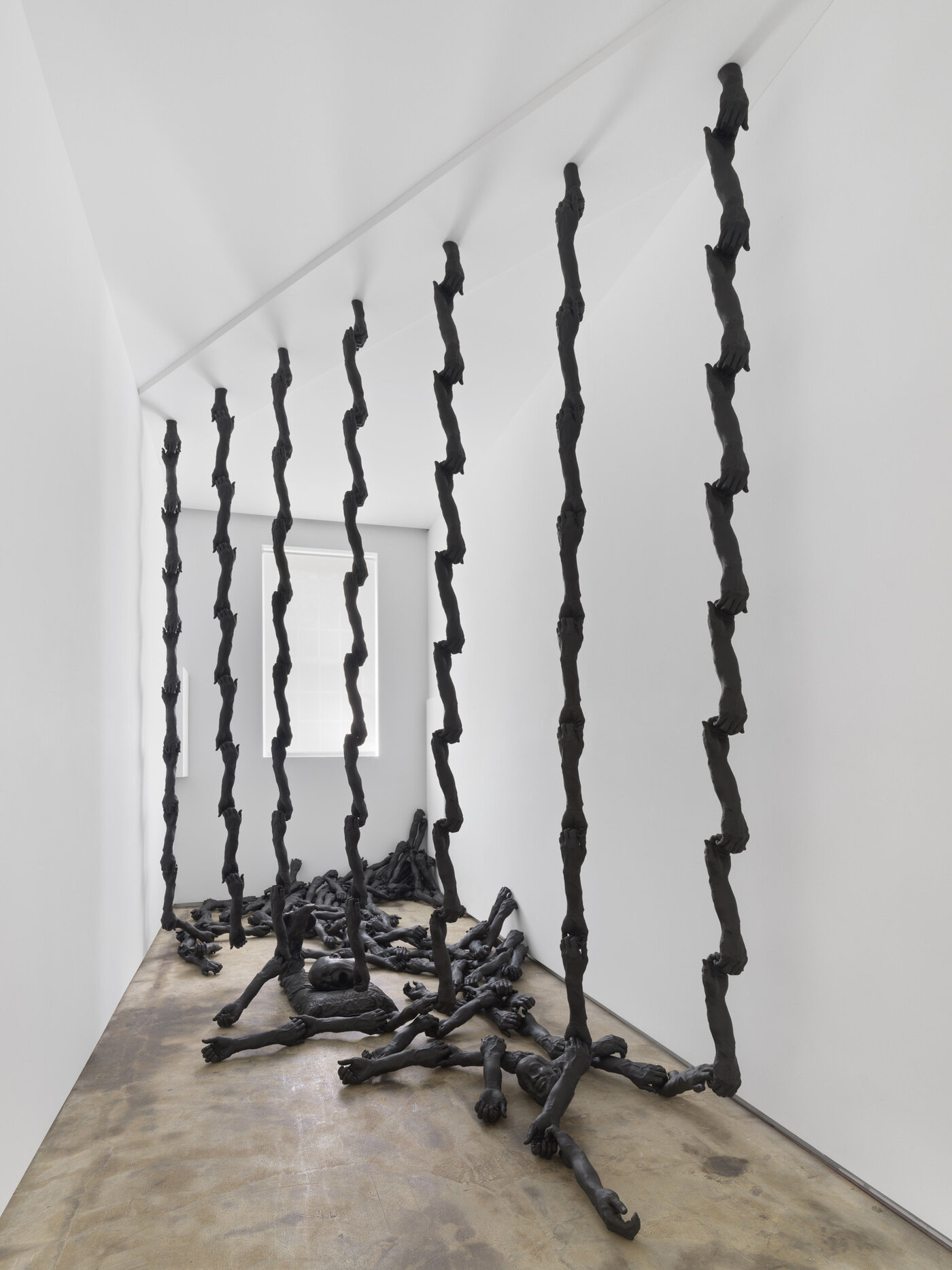
Rooted in long-running conversations between Jack Shainman and Angela Westwater, the exhibition treats several works as emblematic of its core themes, including Bruce Nauman’s All Thumbs (1996), a major sculpture constructed from life casts of the artist’s hands. The work renders the hand, an instrument of skill, touch and control, as a form at once comic, exact and estranged from itself, turning the artist’s own means of making into the subject. In Walk with Contrapposto (1968–2003), the body submits to a simple but punishing rule. Balance gives way to awkwardness as repetition becomes structure. In both works, method becomes the form of the idea.
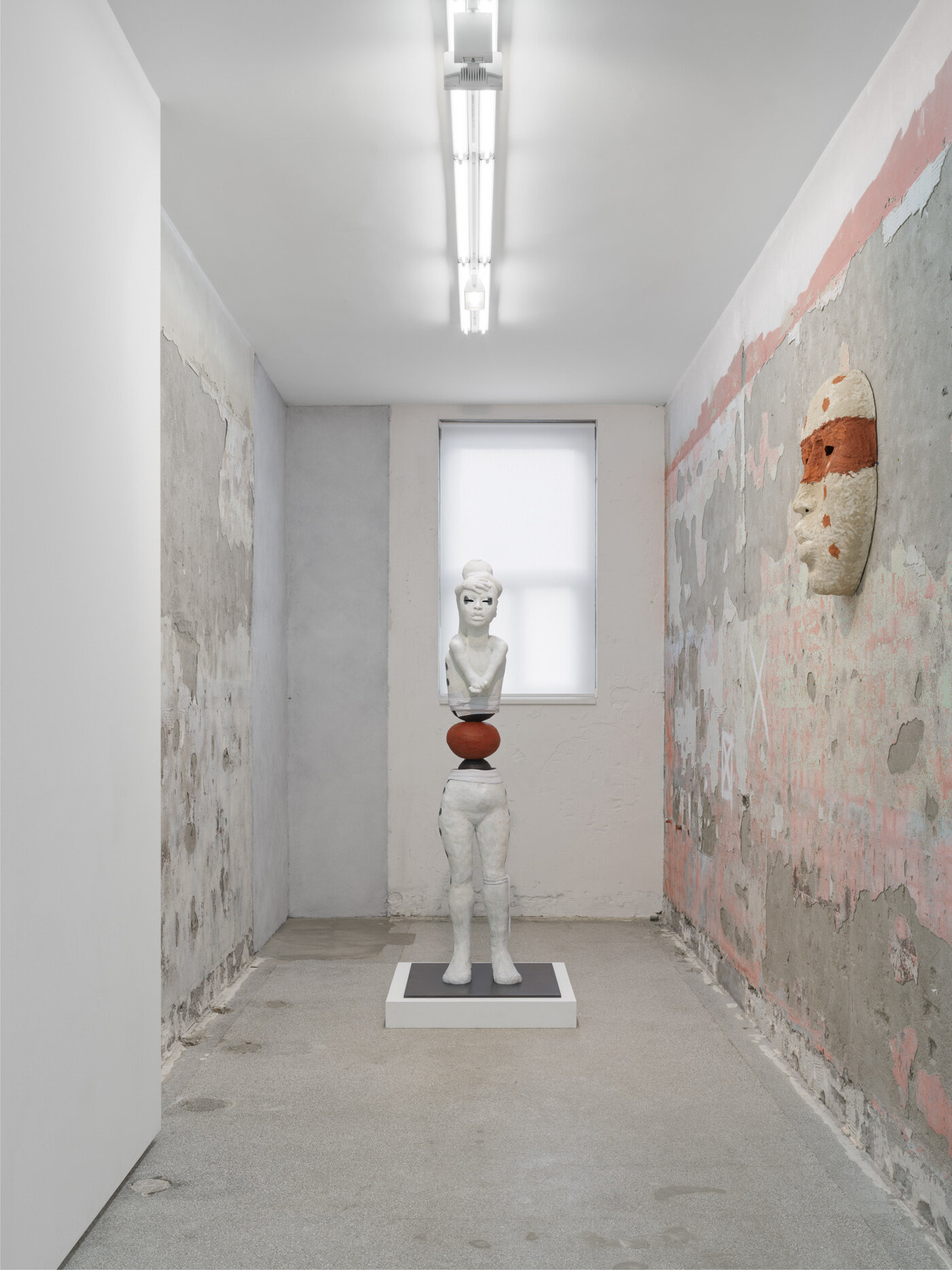
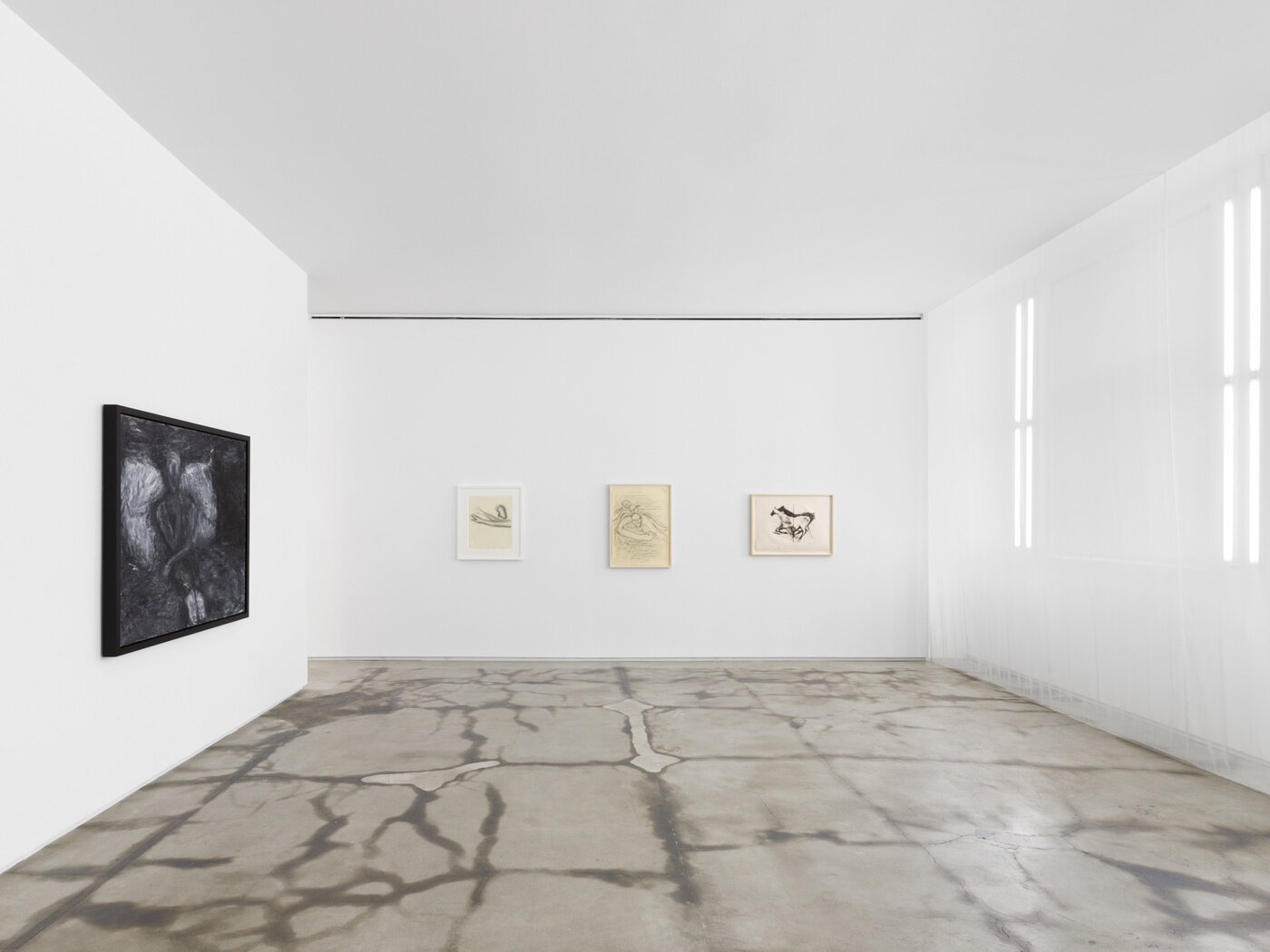
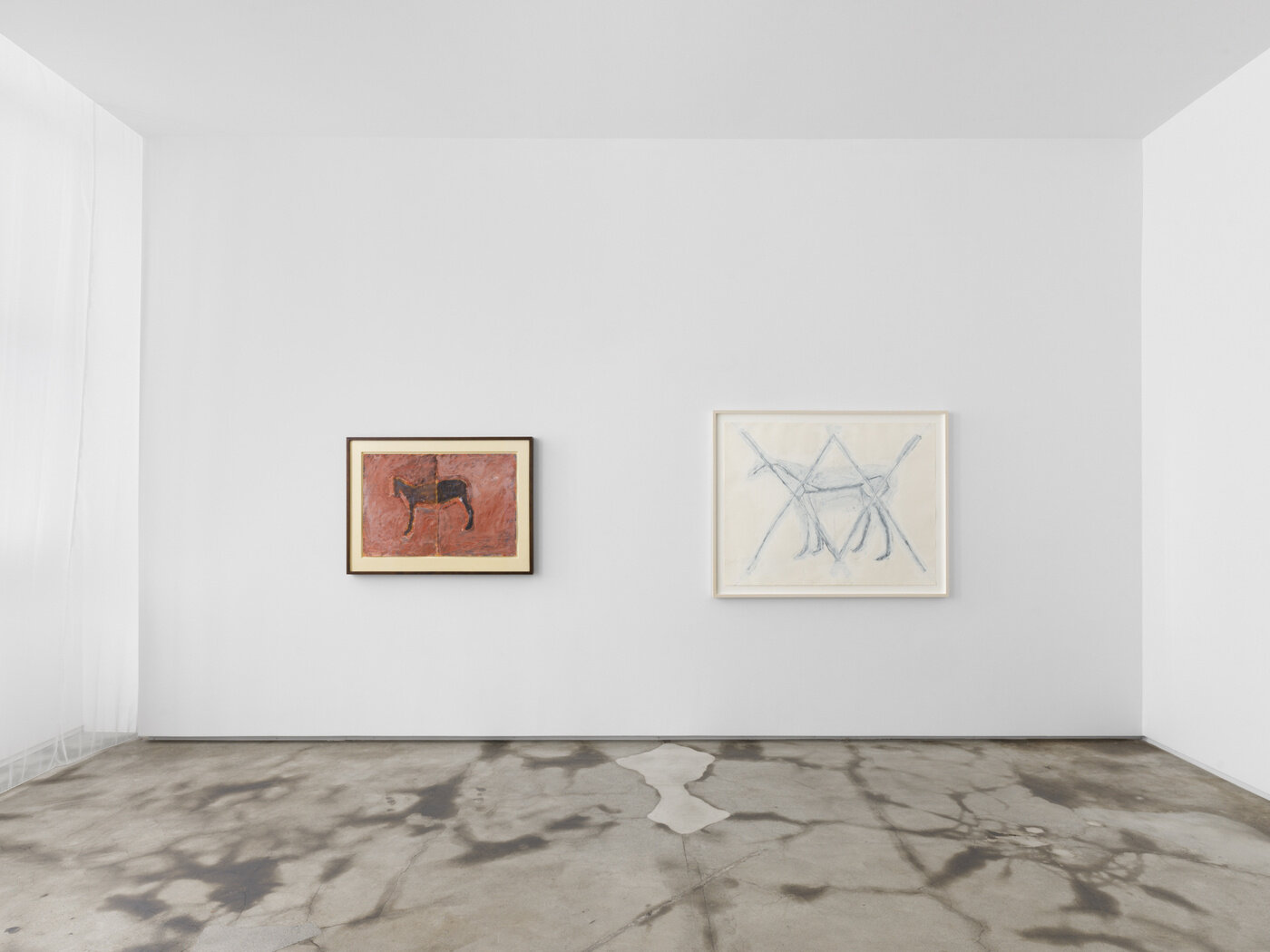
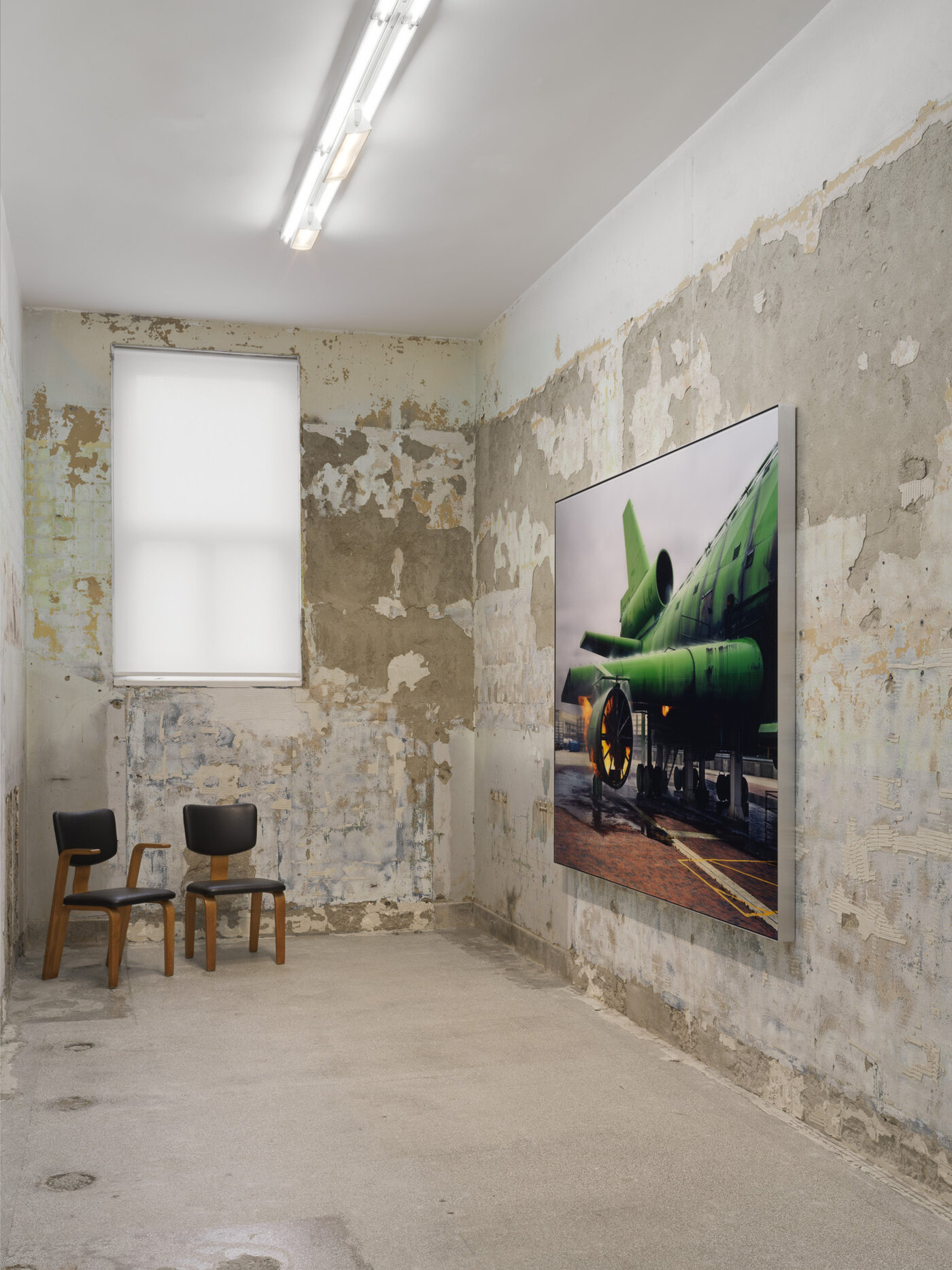
Throughout the exhibition, artists unsettle what seems given in different ways. Richard Mosse’s monumental photograph Everything Merges with the Night (2015) transforms a landscape shaped by conflict, seen through military-derived infrared and thermographic technologies, into a surreal image of visual force and complexity. Rose B. Simpson approaches presence through a different kind of compression, using form, surface and scale to give figuration unusual stillness and authority. Susan Rothenberg brings that pressure into painting and drawing, from early seminal works on paper such as Untitled (Study for Triphammer Bridge) (1974) and Untitled #48 (1977), where the horse is subject to revision and cancellation, to later paintings Pillow (1984) and Dog Underfoot (1991). Her marks do more than describe. Rothenberg’s practice unfolds through a weighty give and take, marked by correction and alteration.
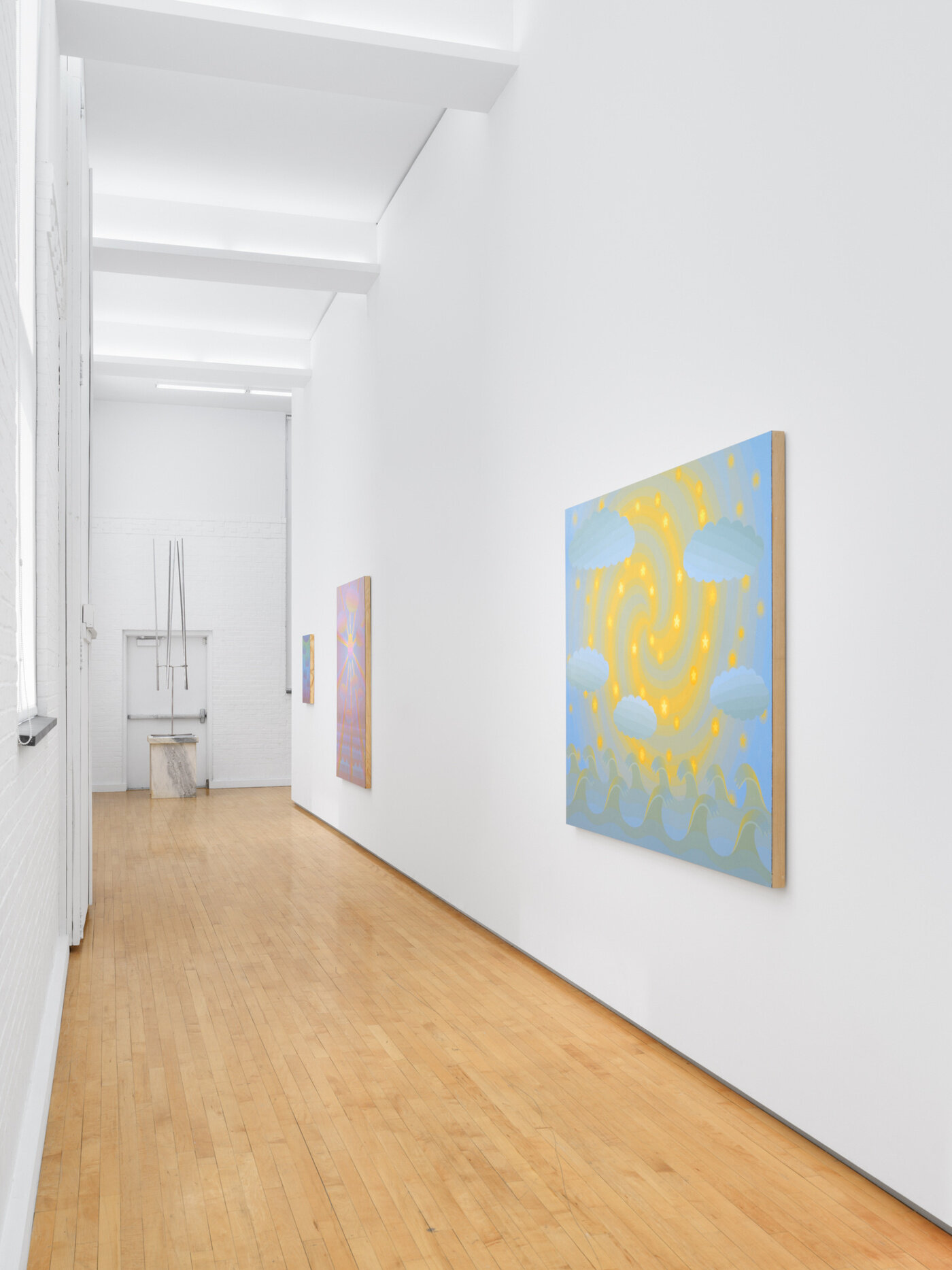
Elizabeth Neel and Amy Lincoln work through equally exacting pictorial languages. Neel’s paintings build through layered gestures, dragged paint, stains and repeated forms, setting abrupt movement against underlying symmetry and recurring order. Lincoln, by contrast, works through a bounded vocabulary of stylized motifs. Using repetition and refinement, she shows how a visual language, once narrowed and repeated, becomes both composition and sensibility.
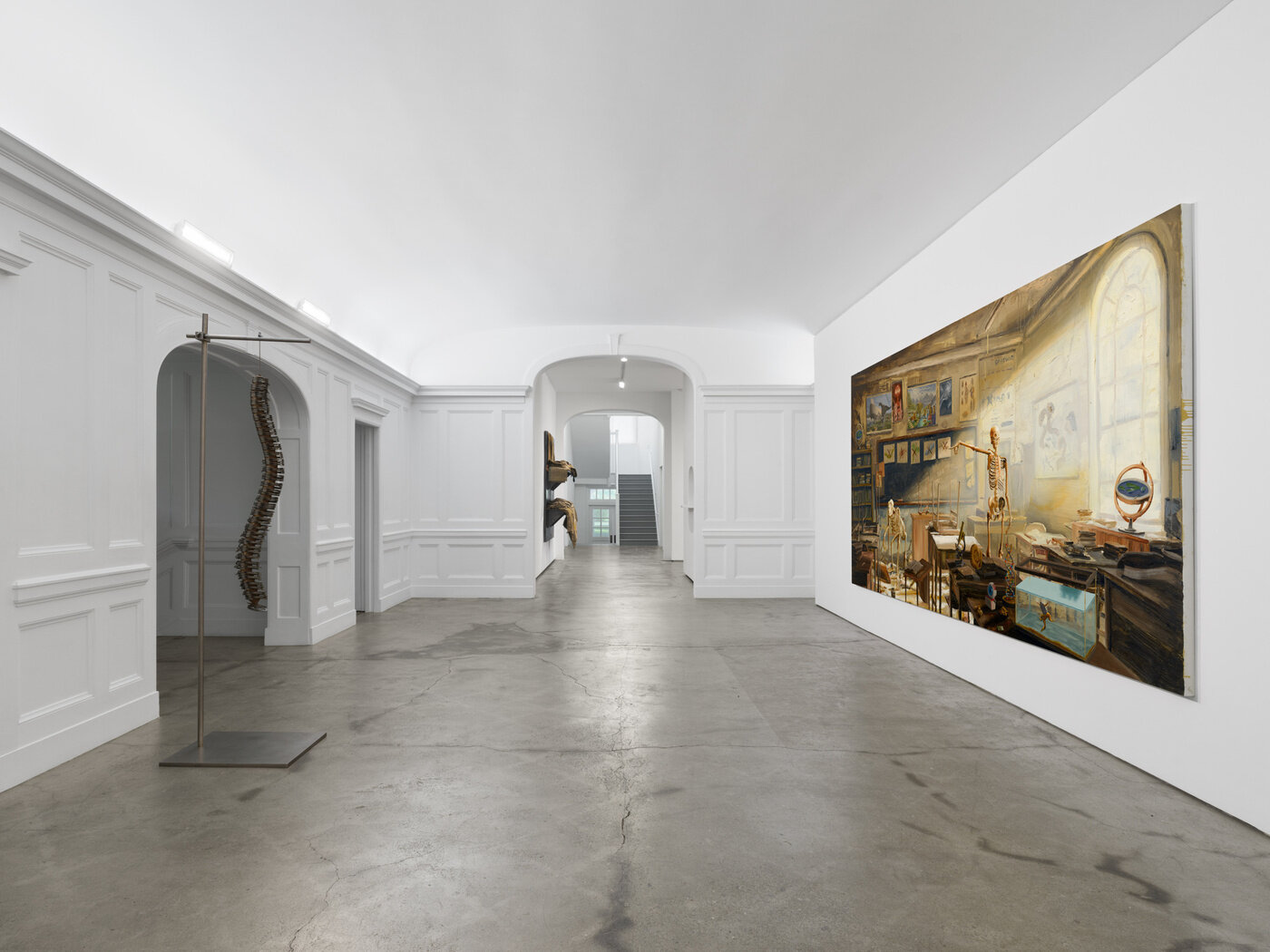
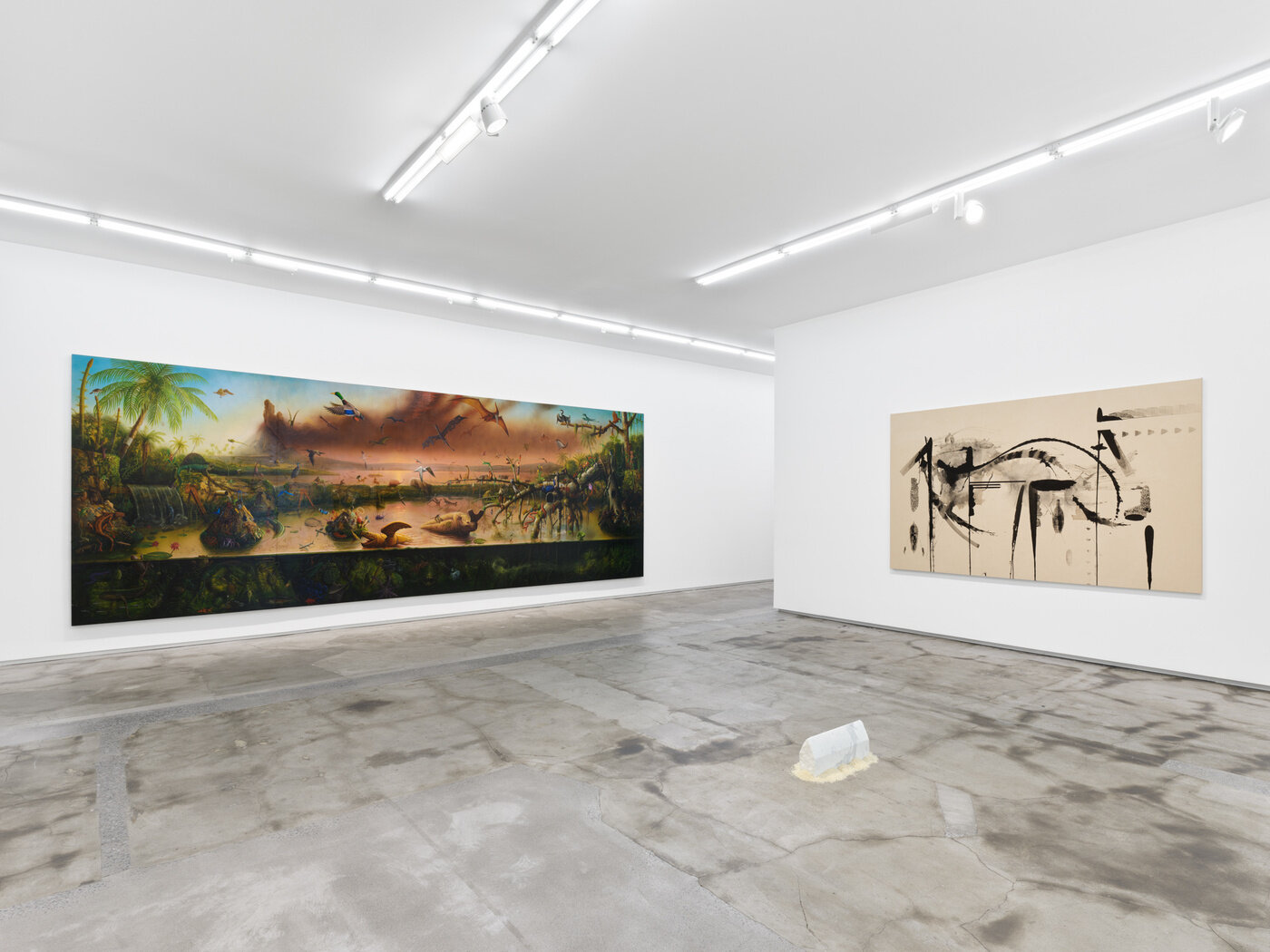
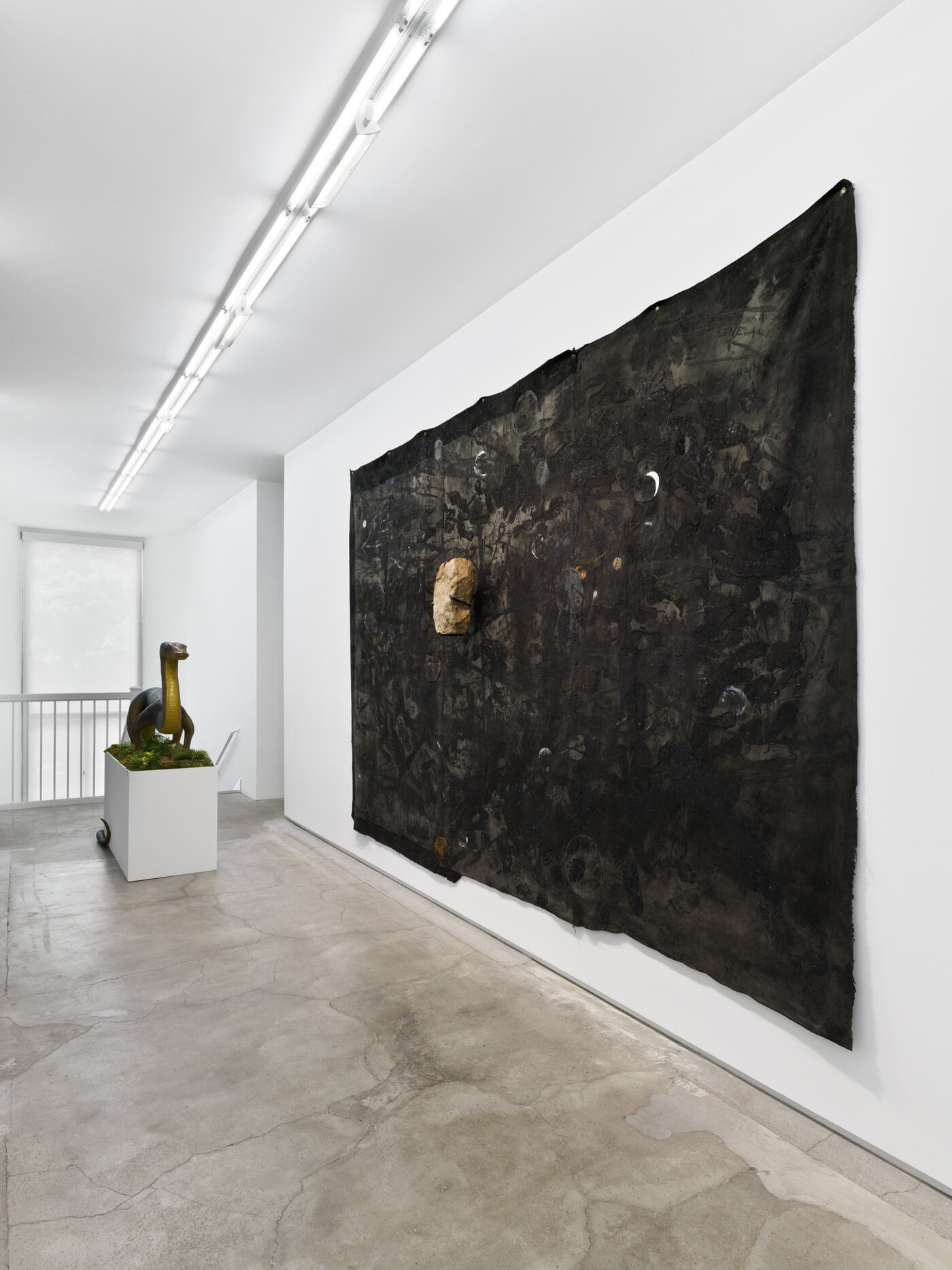
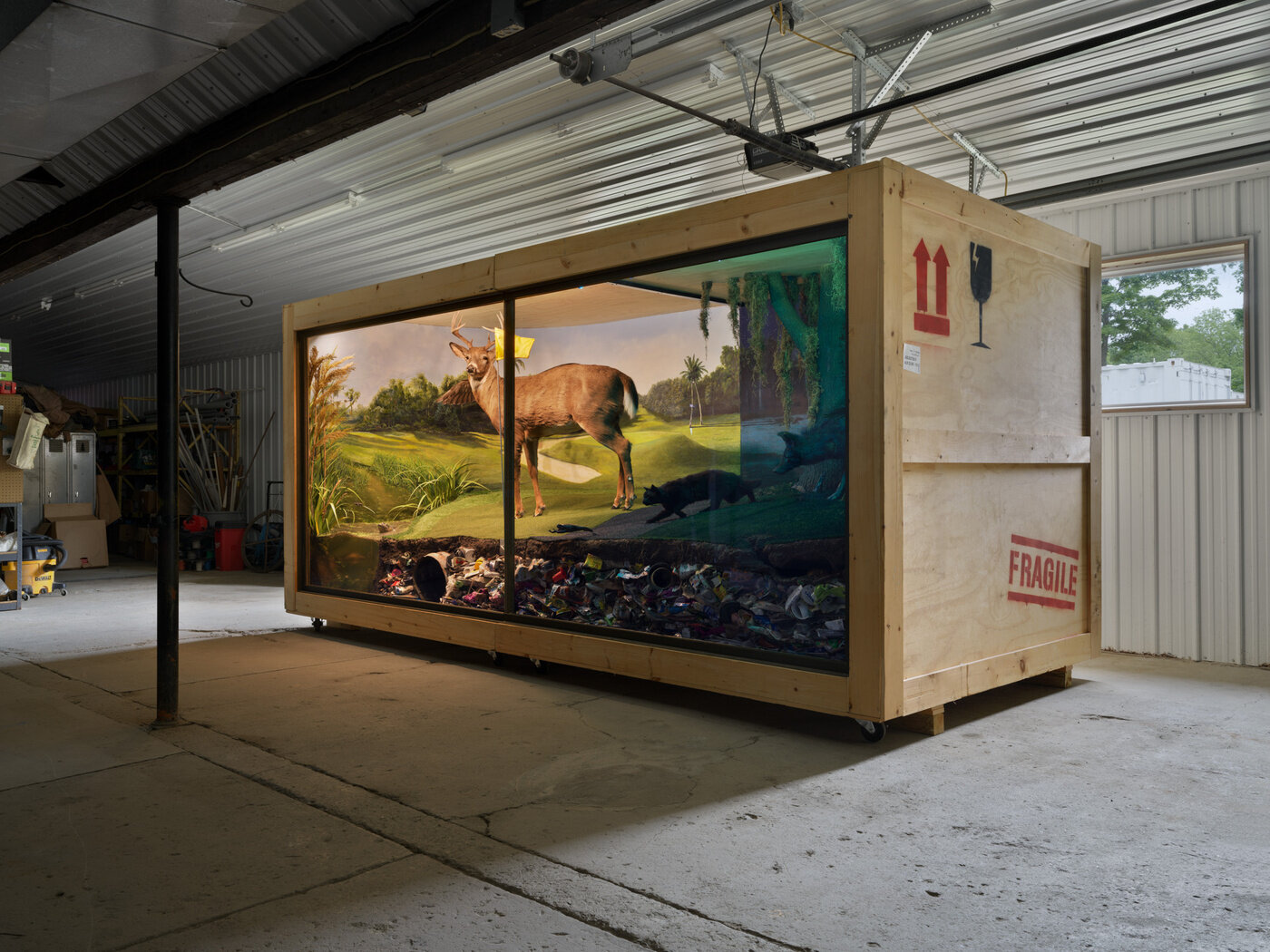
Questions of structure, display and arrangement come into focus in the work of Alexis Rockman, Mark Dion, Guillermo Kuitca and Meleko Mokgosi. In Alexis Rockman’s landmark early painting Evolution (1992) and his new panoramic work Inherit the Wind (2026), that sense of instability shifts from mark-making to world-building. Scientific observation and speculative imagination converge in constructed environments shaped in different ways by competing structures of knowledge and belief. Dion’s Packrat (2024) condenses his interest in accumulation and classifi cation in display as a mode of thought. That context also clarifies the affinity between Dion and Rockman, whose friendship and creative exchange span almost forty years and whose shared attention to the consequences of human presence finds major expression in their collaborative work American Landscape (2022).
With Guillermo Kuitca and Meleko Mokgosi, human narrative and the architecture of society become central. Oblivion (2006), the culminating work from Kuitca’s luggage-carousel series, transforms a familiar structure of circulation and waiting into a darkened chamber charged with memory and estrangement, bringing into recognizable form the psychological atmosphere that runs through so much of his work. In several exceptional paintings, the exhibition traces Kuitca’s enduring engagement with mapping social space. Mokgosi’s Spaces of Subjection series generates meaning through sequence, shaping the image into extended narrative forms conditioned by ideology and social order. In his work, content unfolds through scale and relationship rather than through singular images or a fixed conclusion. Method itself becomes the ground on which meaning takes shape.
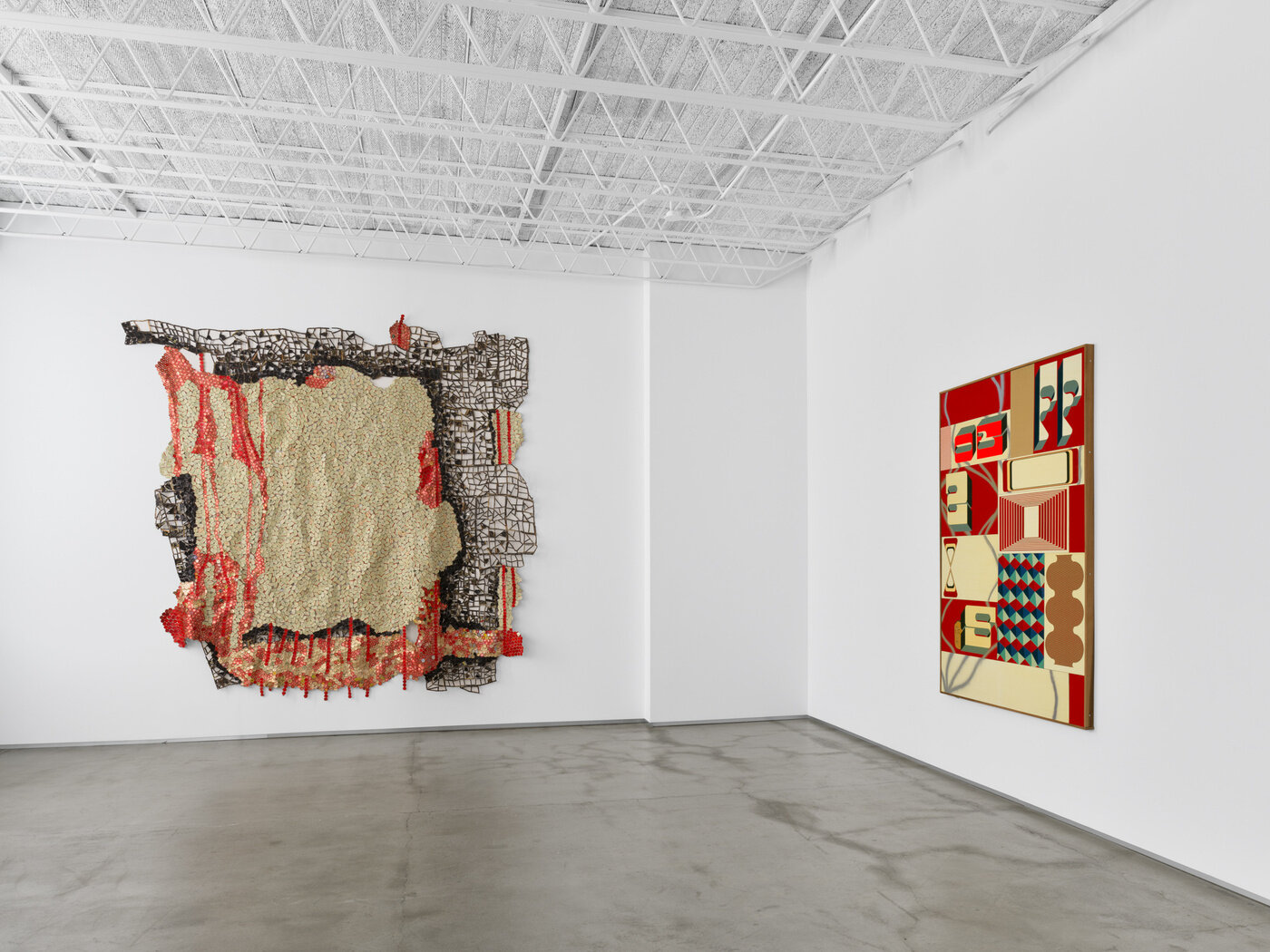
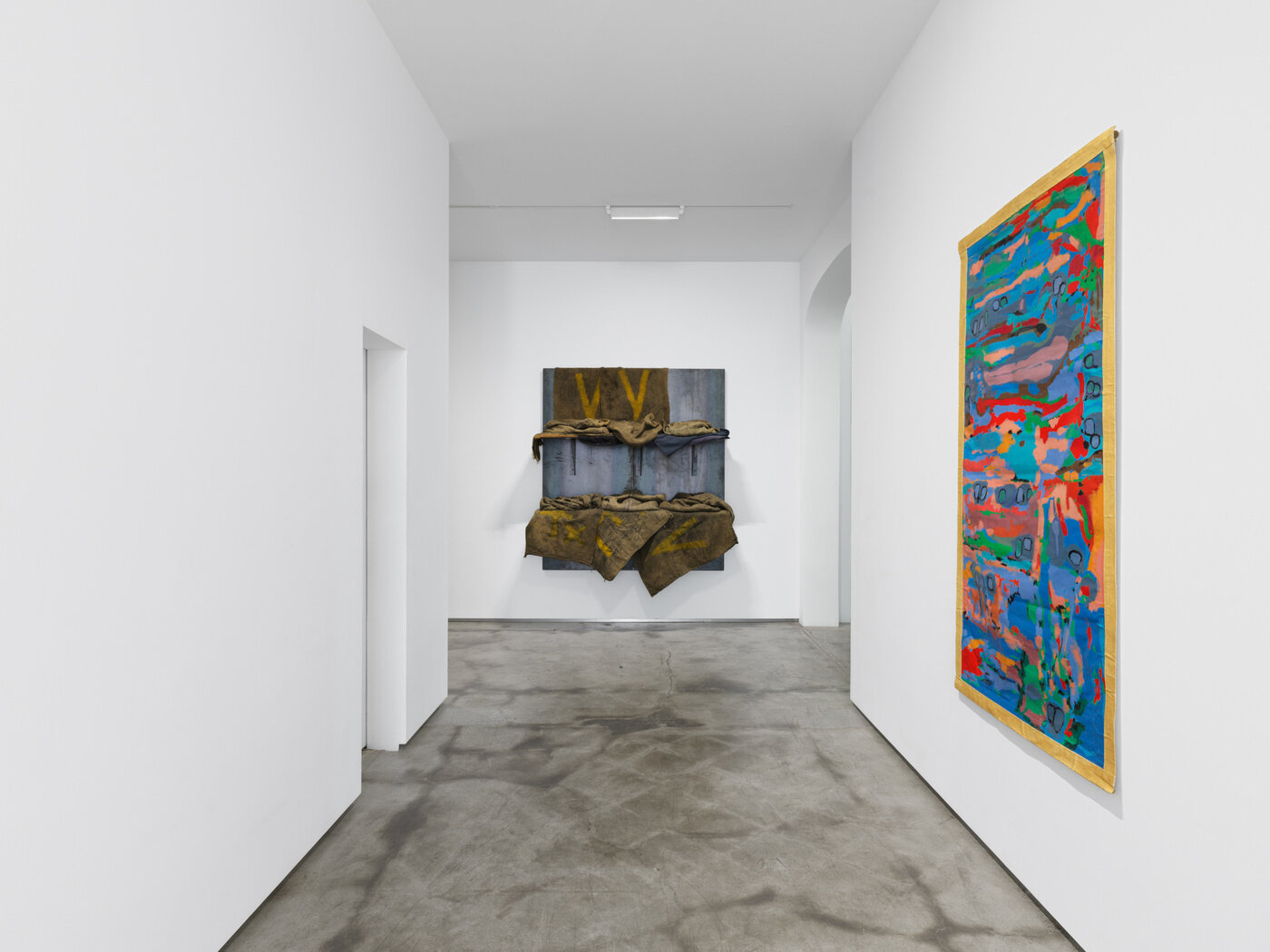
Faith Ringgold and Radcliffe Bailey bring memory and historical experience into close contact through material form. Bailey’s 67/68 (2016), a wood cabinet sculpture containing an arrangement of objects, treats enclosure as a vessel for memory, while Ringgold’s use of textile opened new ground for abstraction, narrative and cultural memory. A related tension appears in the work of Yoan Capote. In Requiem (Altarpiece) (2020 – 2022), one of the exhibition’s largest works, gold and fishhooks lend unusual force to the artist’s vision of the sea as both physical fact and symbolic terrain. The horizon and the allure of what lies beyond it, becomes a defining structure in his work, joining seduction with danger and distance.
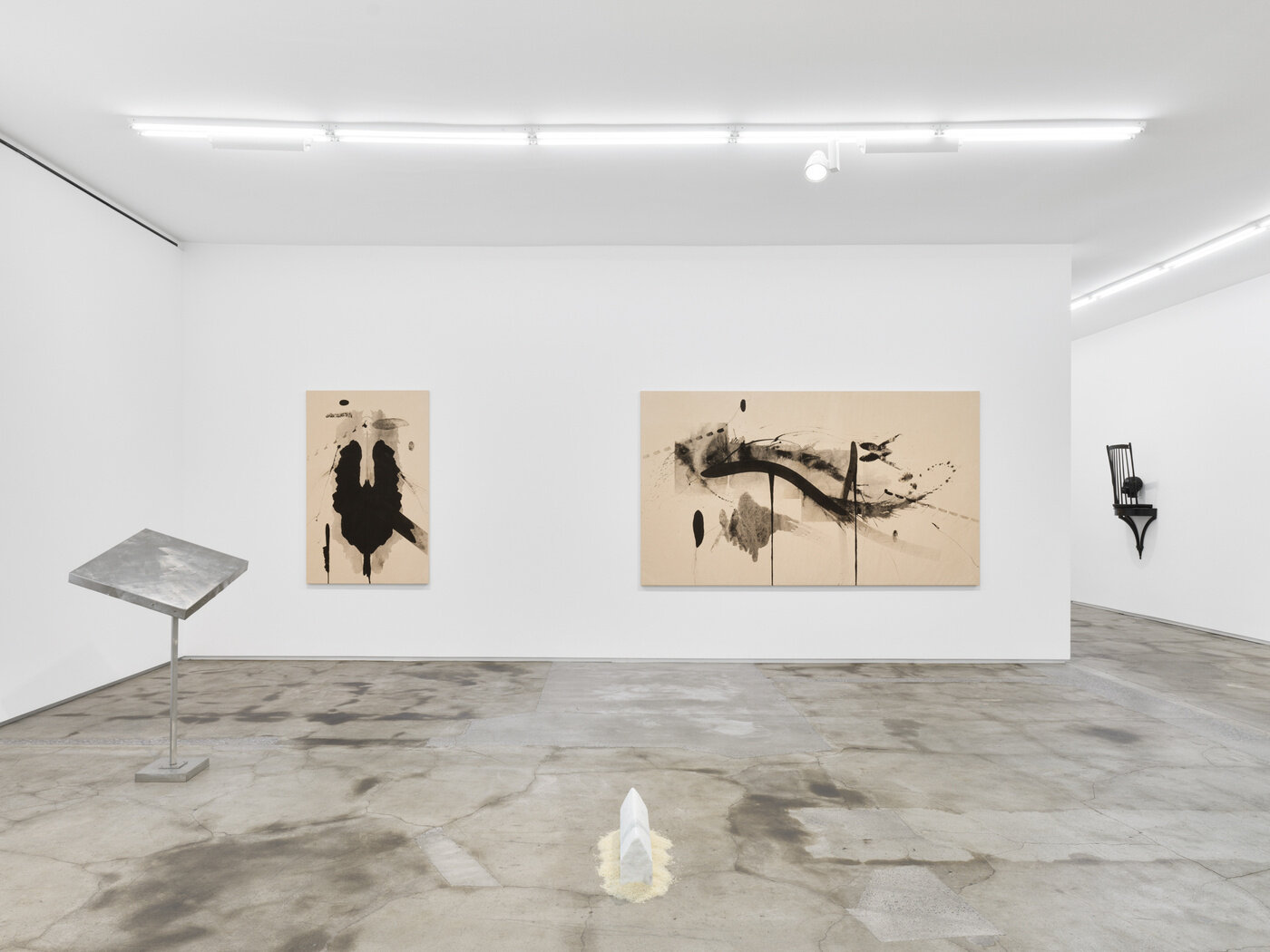
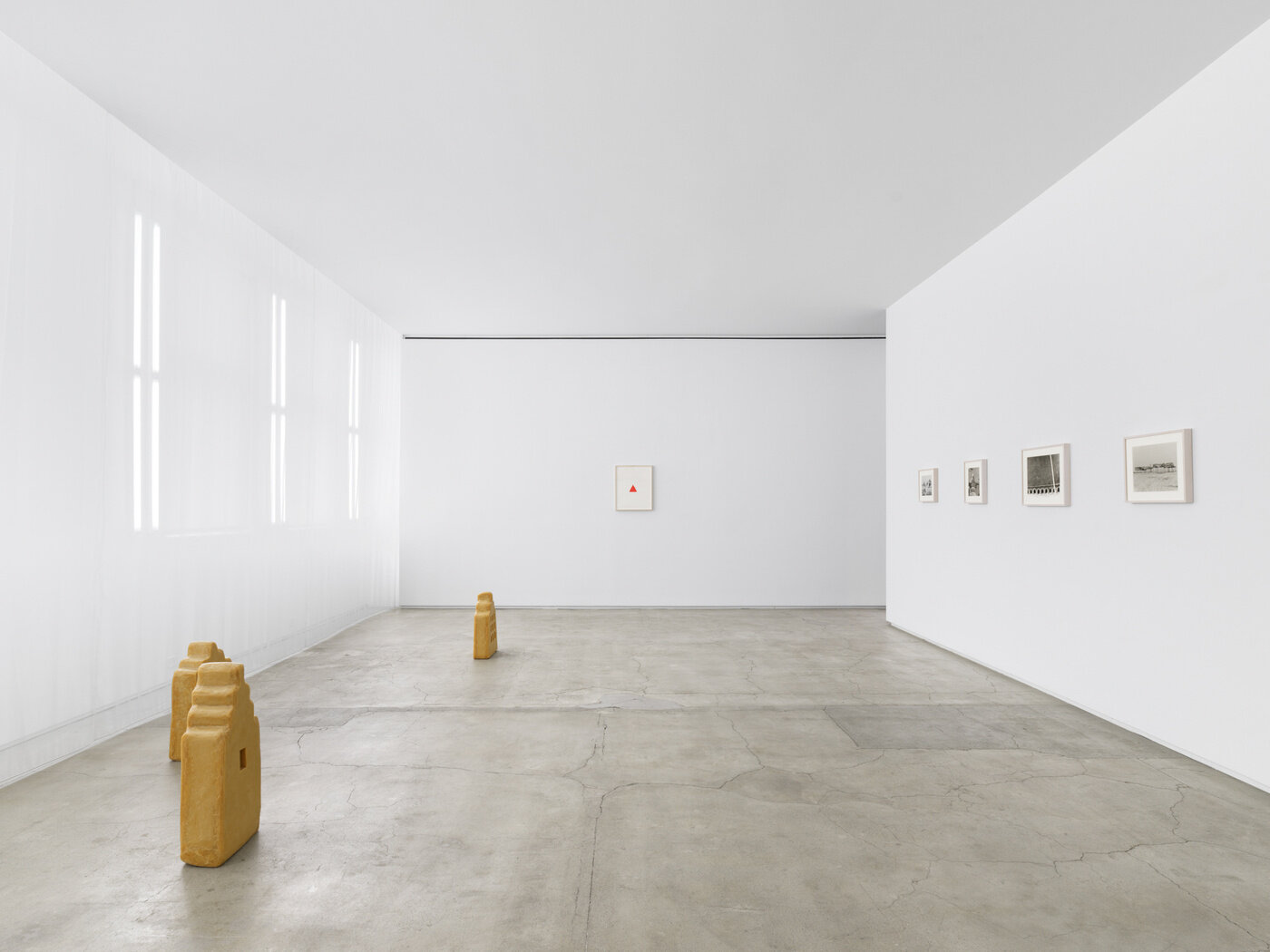
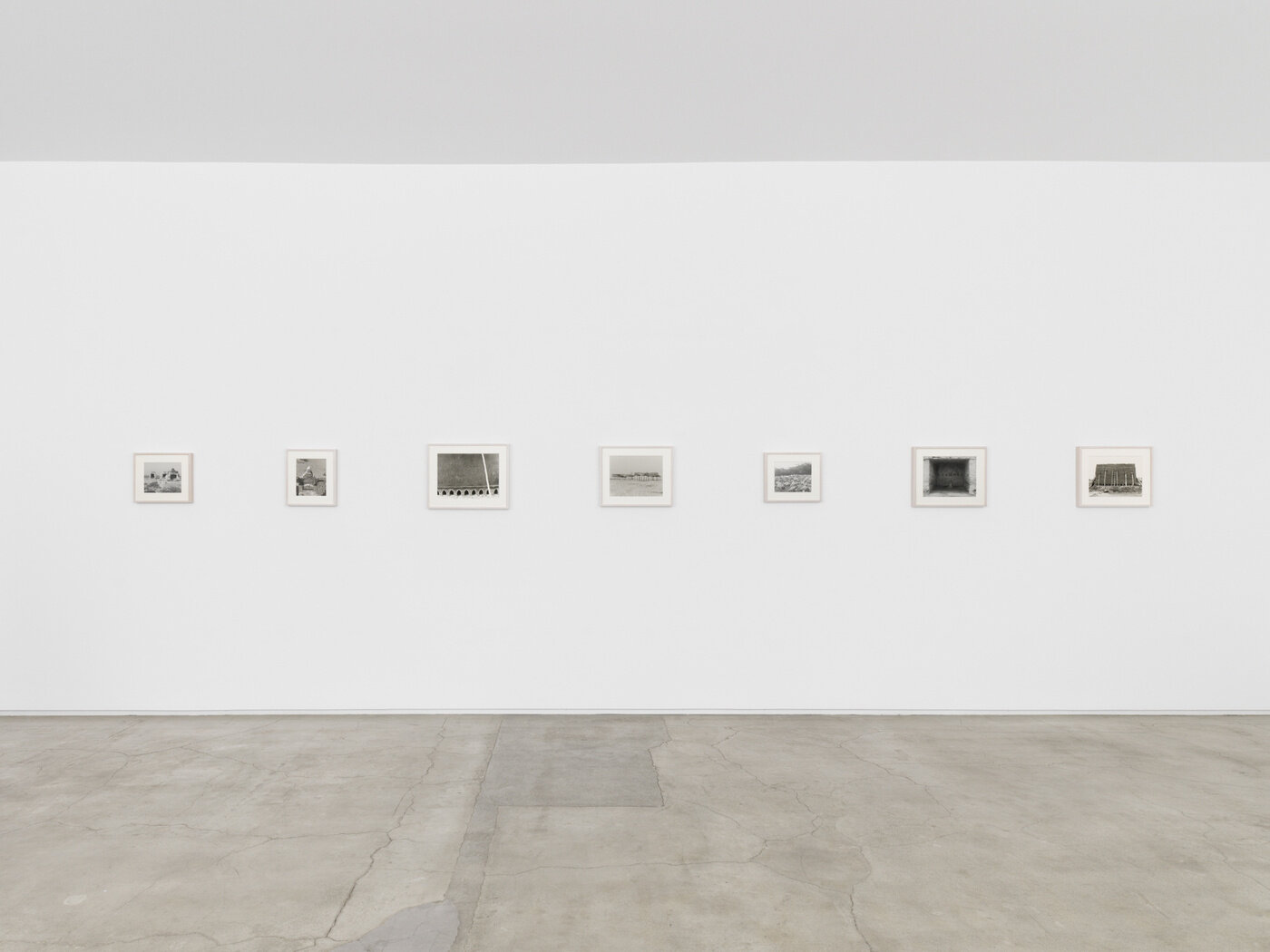
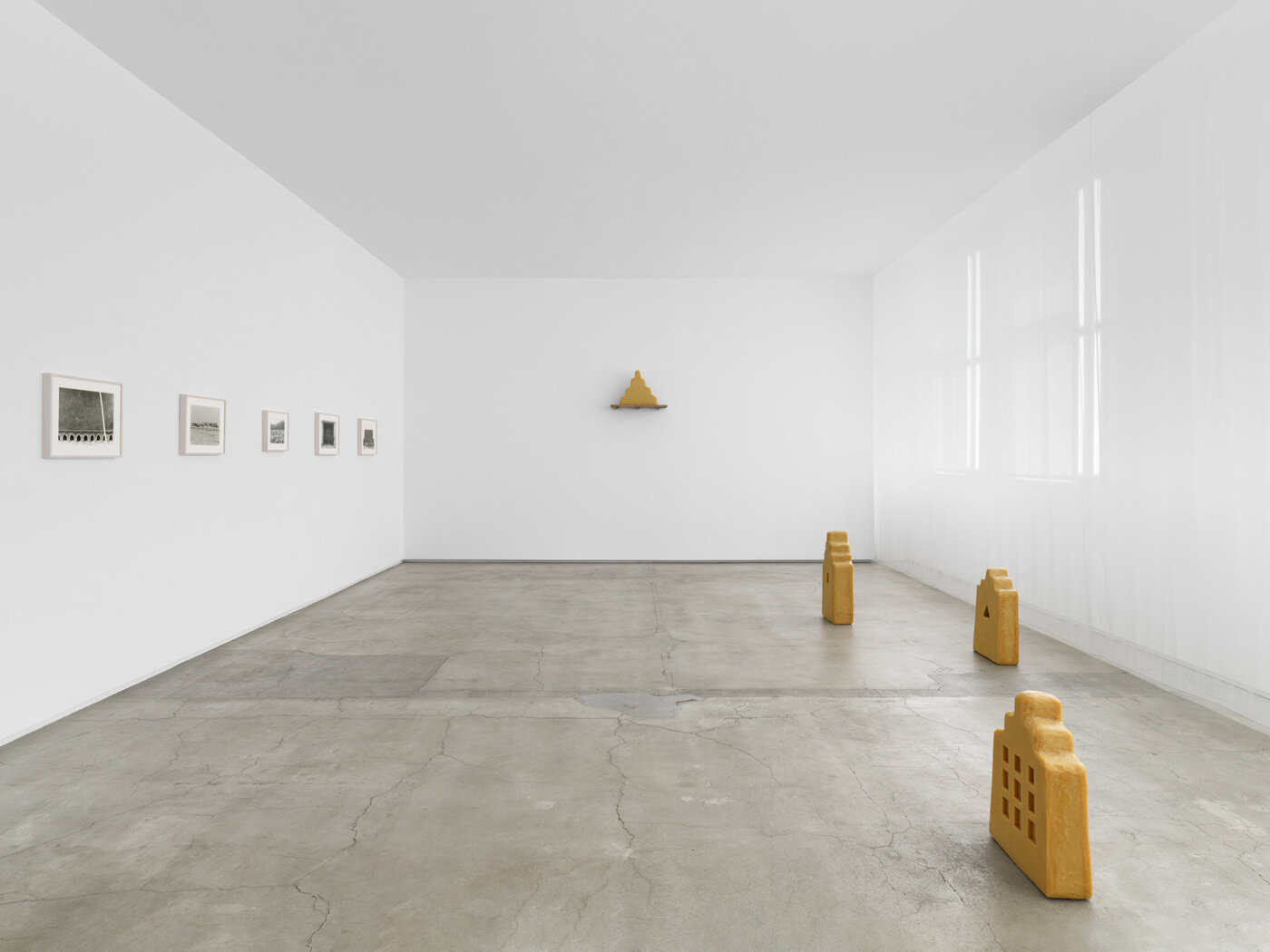
Grounded in ritual and symbolic thought, Wolfgang Laib’s practice gives Modus Operandi one of its clearest meditations on elemental form and order. In the gallery devoted to his work, meaning arises through the measured relation between image and object, drawing and sculptural form. Seven photographs, three wax towers, a wax ziggurat presented on an antique wooden board and a single drawing establish a quiet but exacting accord within the space. In that arrangement, repetition and scale become inseparable from material restraint and attention. Elsewhere in the exhibition, repeated elements are ordered into meaning through very diff erent visual and material logics. In El Anatsui’s Silver and Gold Have I Not (2023), accumulation takes on unusual resonance, as the repeated element assumes the character of refrain, yielding a surface at once weighty, luminous and alive.
Nick Cave’s Constellation (2006) and an example from his Grapht series likewise take shape through elaboration. In the Grapht works, tole service trays and studio-produced needlepoint are brought into relation, turning ornamental and domestic materials into a dense, highly worked language. By contrast, Barry McGee builds through recurrence. His work moves between sign and symbol, as a self-authored visual language gains momentum through repetition and variation. In his practice, repetition is a way of thinking, one that generates rhythm and density from within the work and allows meaning to reveal itself.
Across the exhibition, method emerges as thought is made visible. The selected works exemplify the significance of conveying ideas through presence rather than explanation. Featured artists include El Anatsui, Radcliffe Bailey, Yoan Capote, Nick Cave, Mark Dion, Jannis Kounellis, Guillermo Kuitca, Wolfgang Laib, Amy Lincoln, Barry McGee, Meleko Mokgosi, Richard Mosse, Bruce Nauman, Elizabeth Neel, George Rickey, Faith Ringgold, Alexis Rockman, Susan Rothenberg and Rose B. Simpson.
The School is open Saturdays from 11AM–6PM and by appointment. For press inquiries, please reach out to the team at ALMA. For other inquiries, please contact the gallery at info@jackshainman.com.