Carlos Vega: Anima Mundi
Works (Tap to zoom)
Press Release
CARLOS VEGA
Anima Mundi
513 W 20th Street, New York, NY
March 5 – April 18, 2026
Public reception Thursday, March 5 from 6-8PM
PRESS
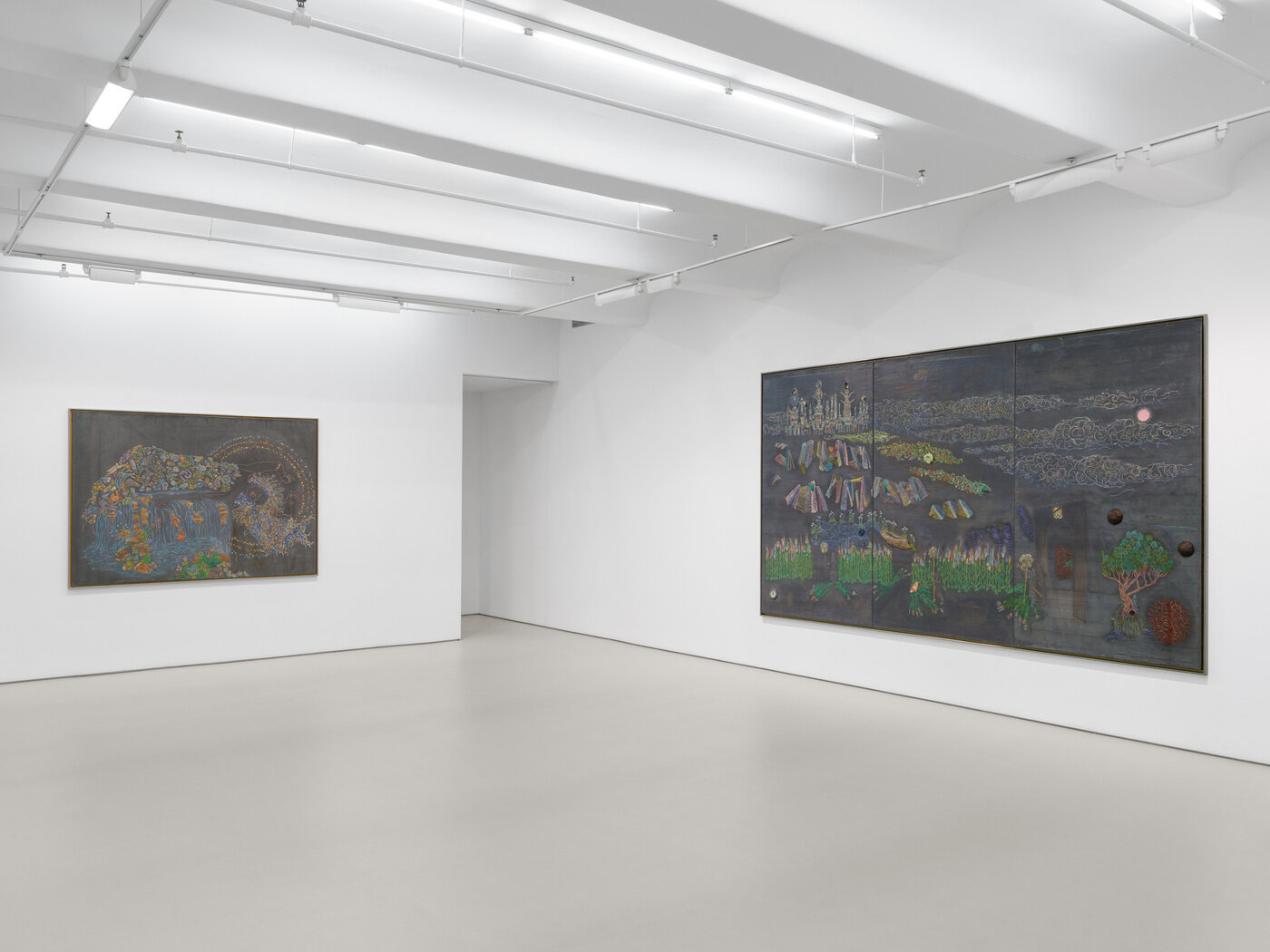
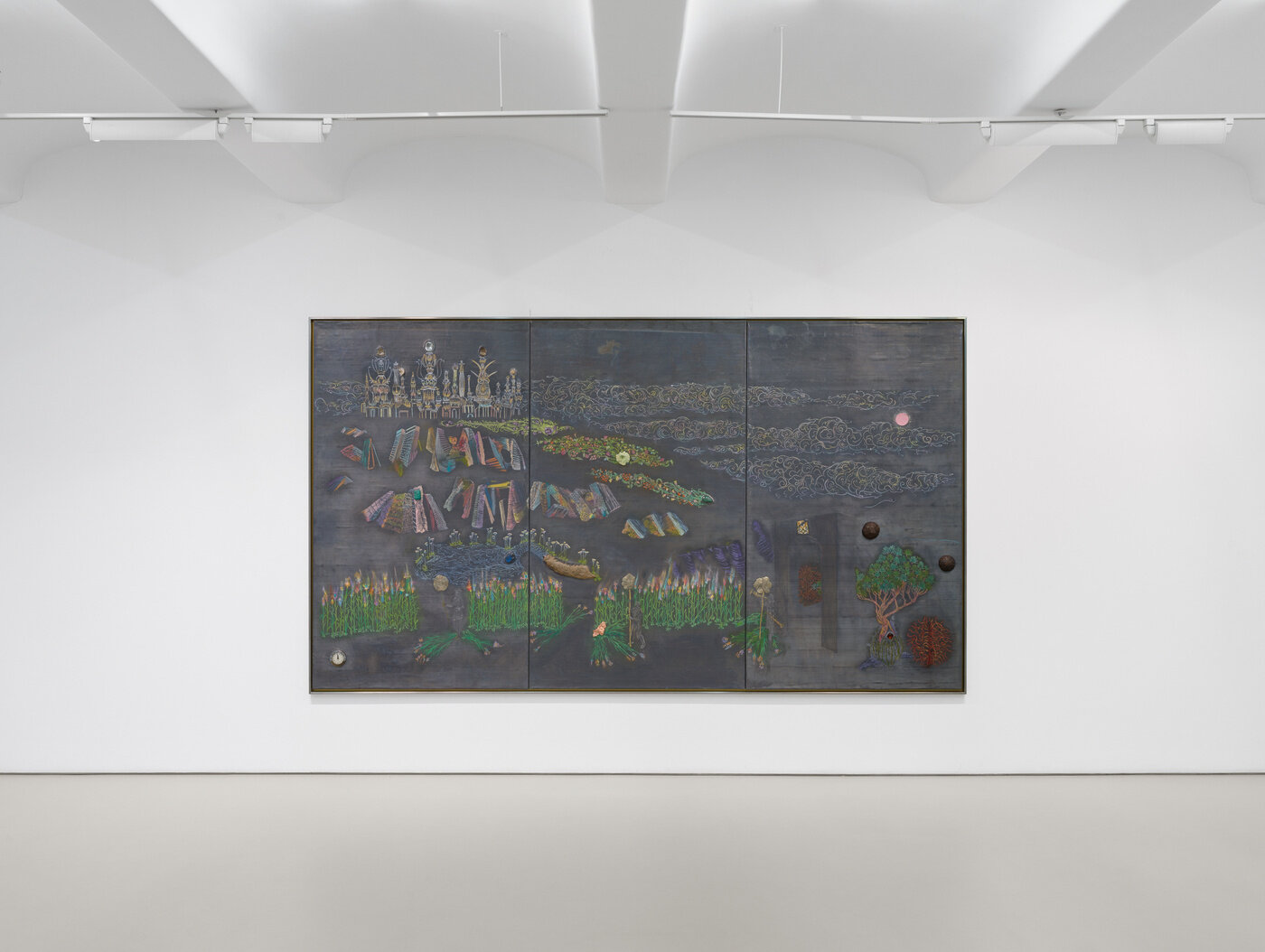
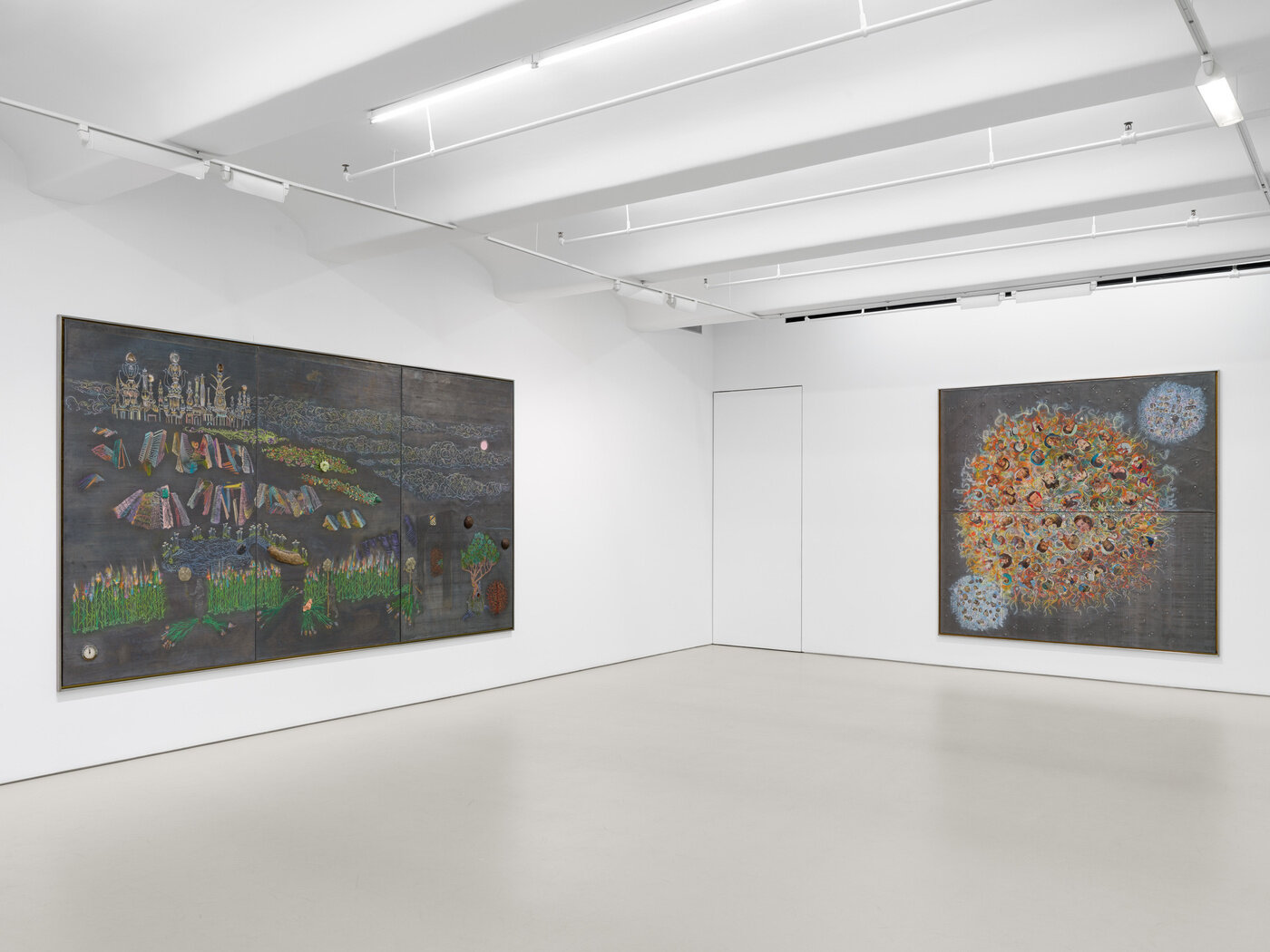
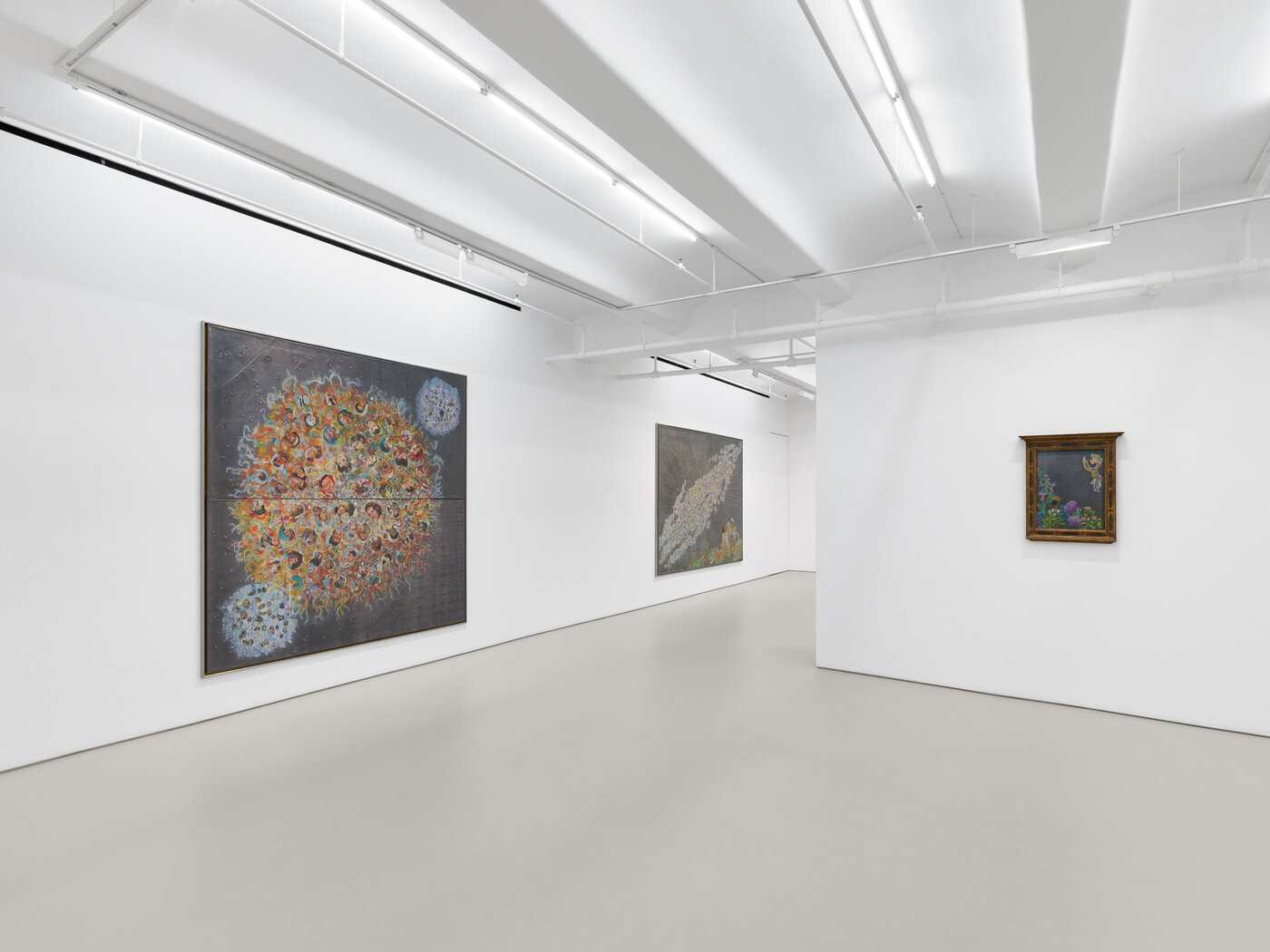
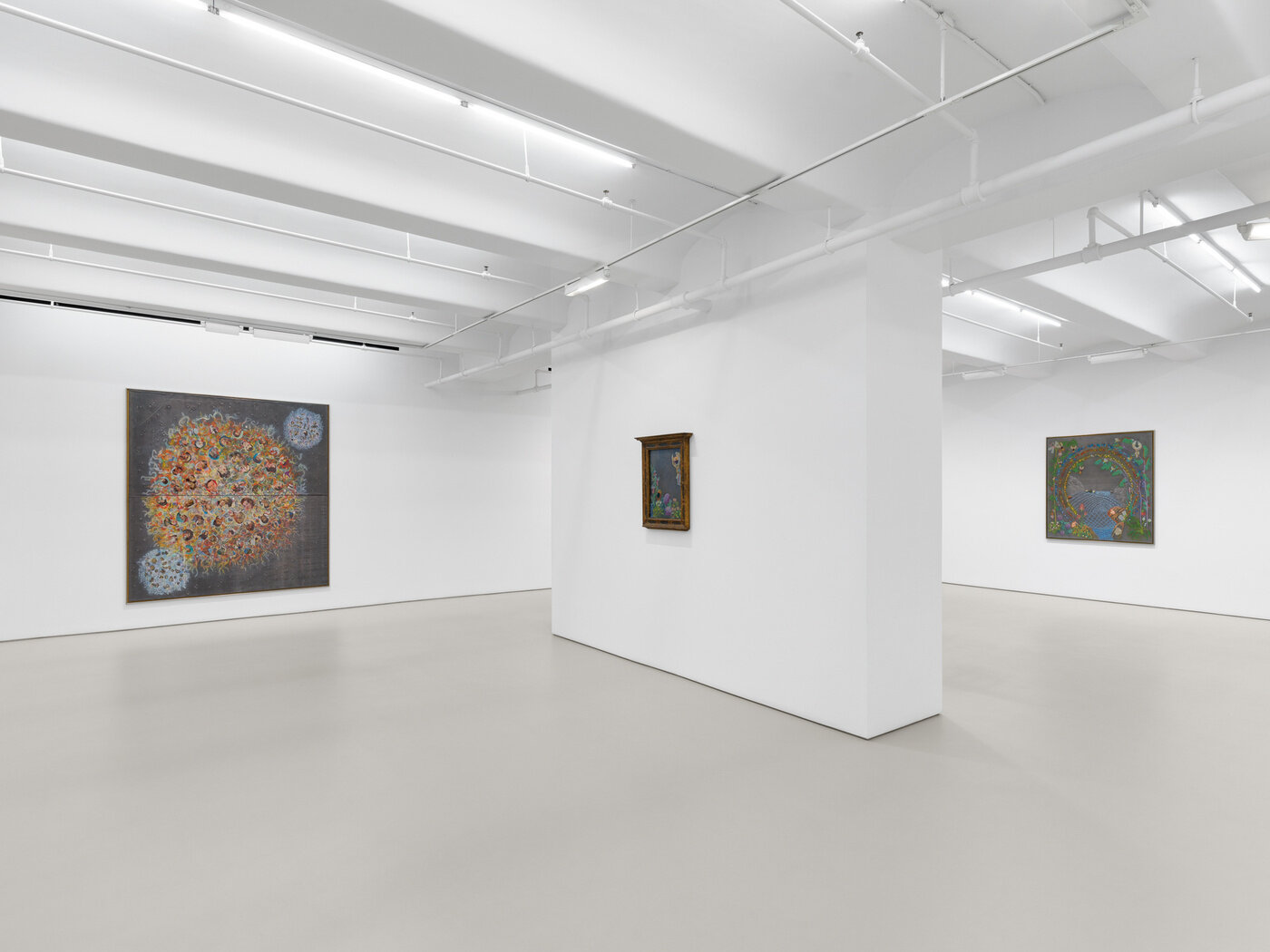
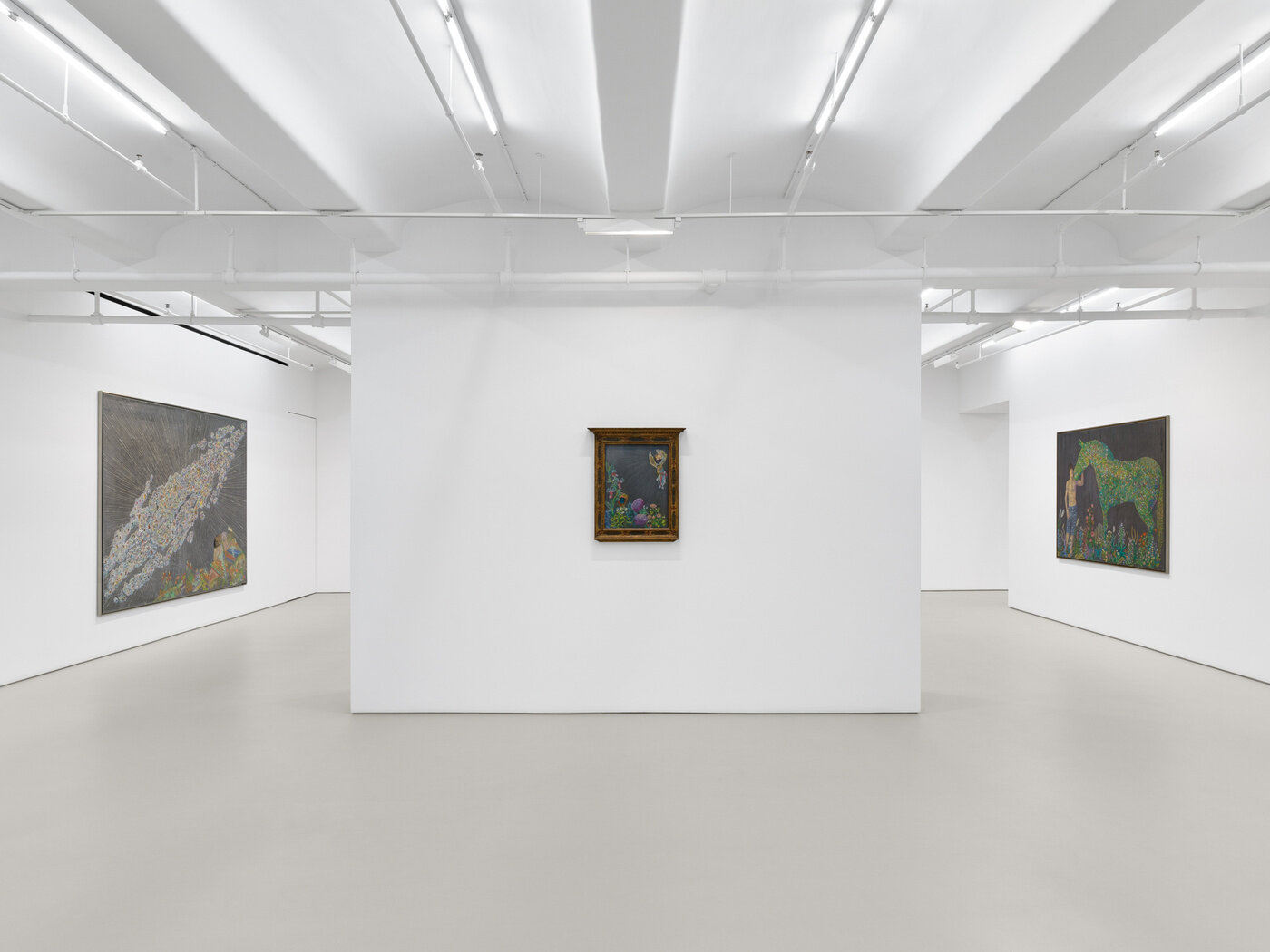
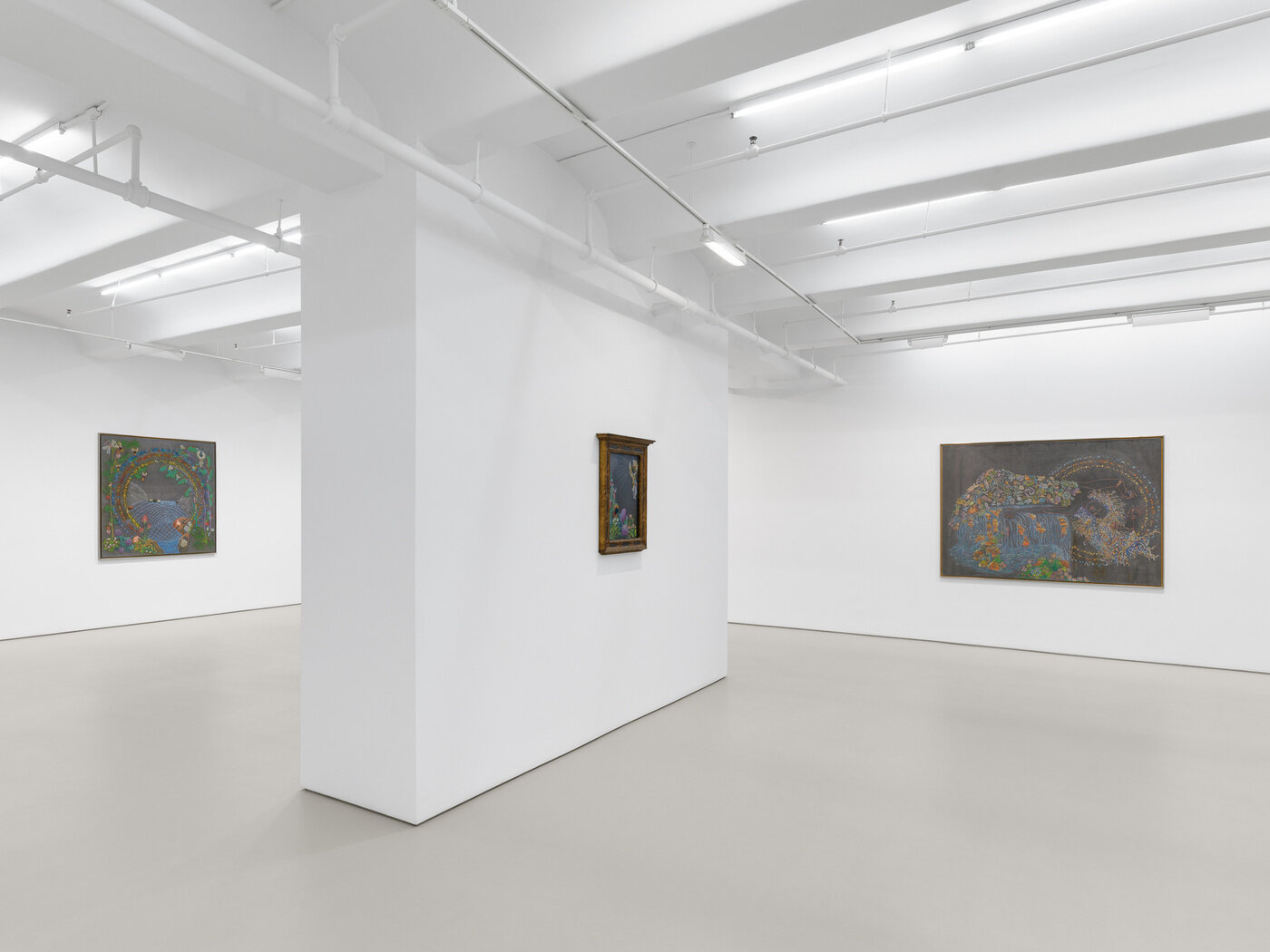
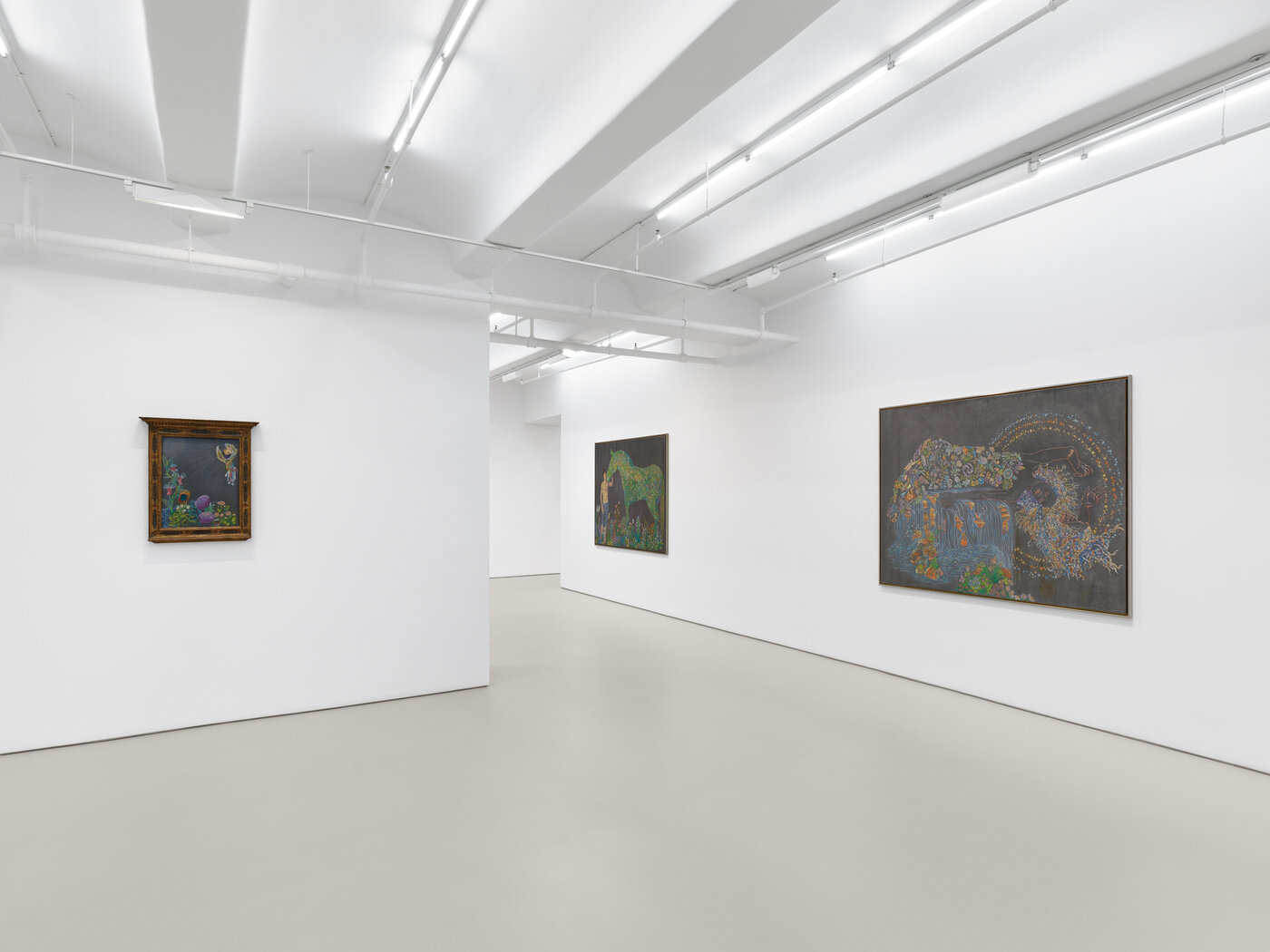
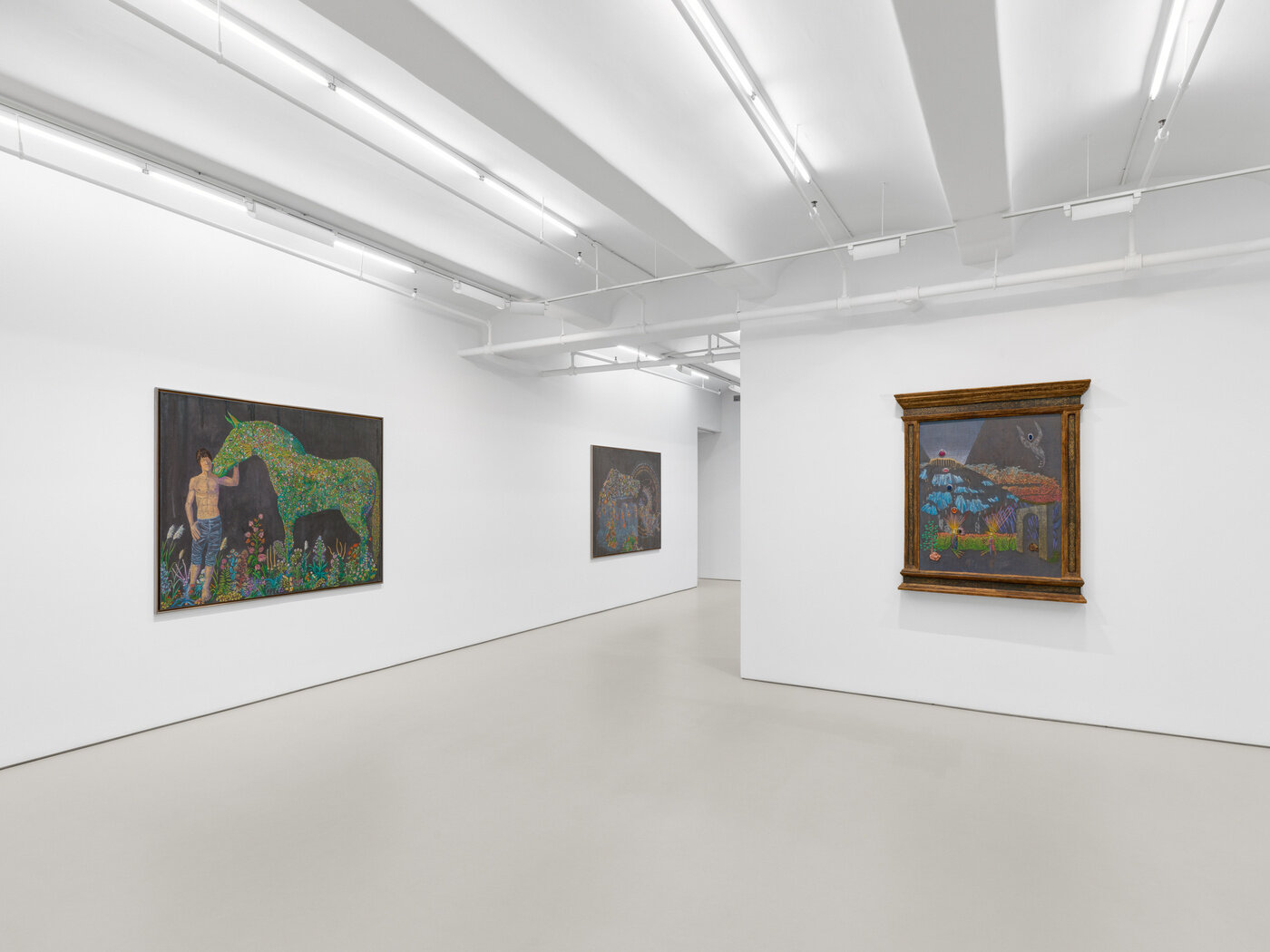
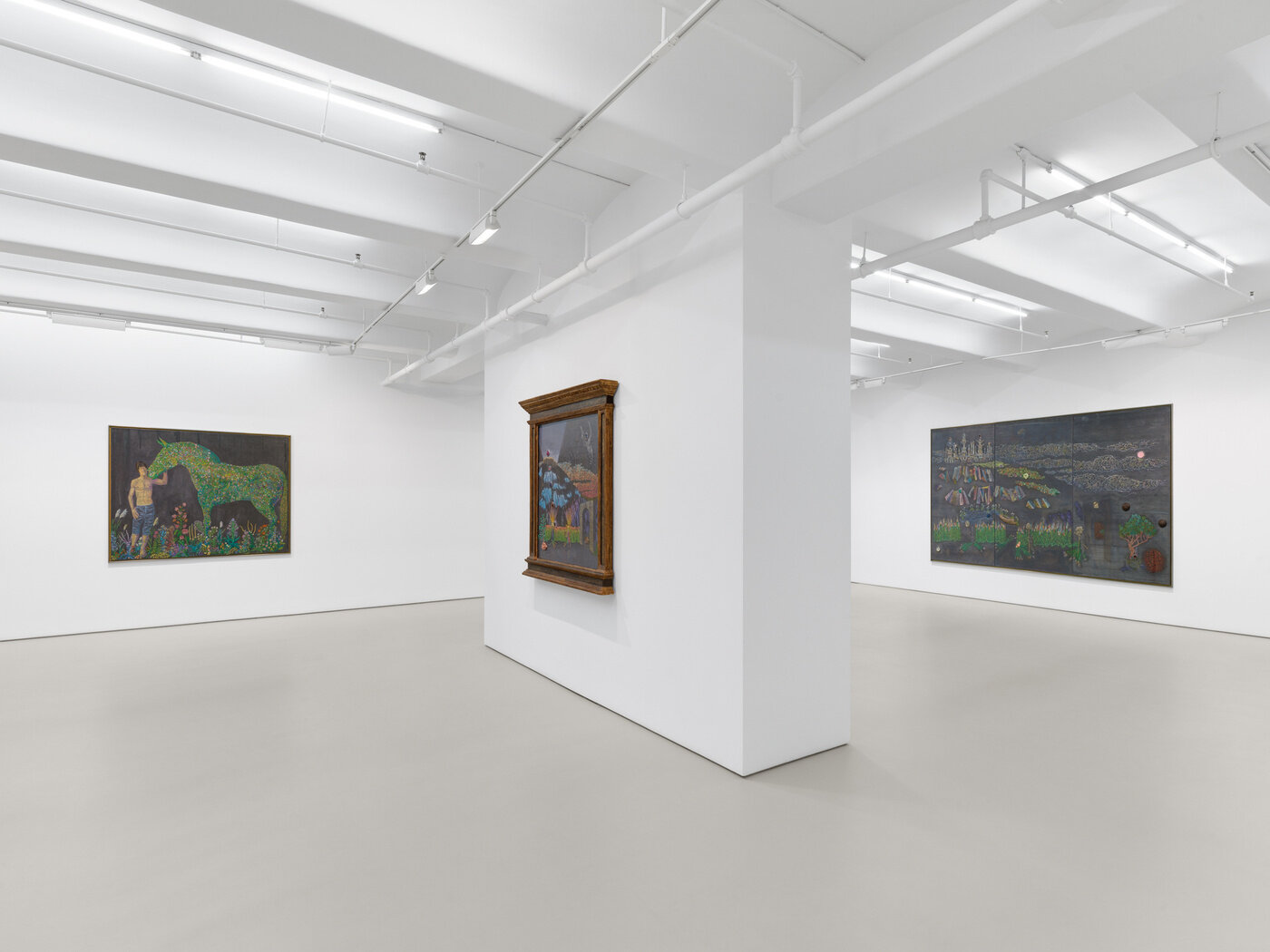
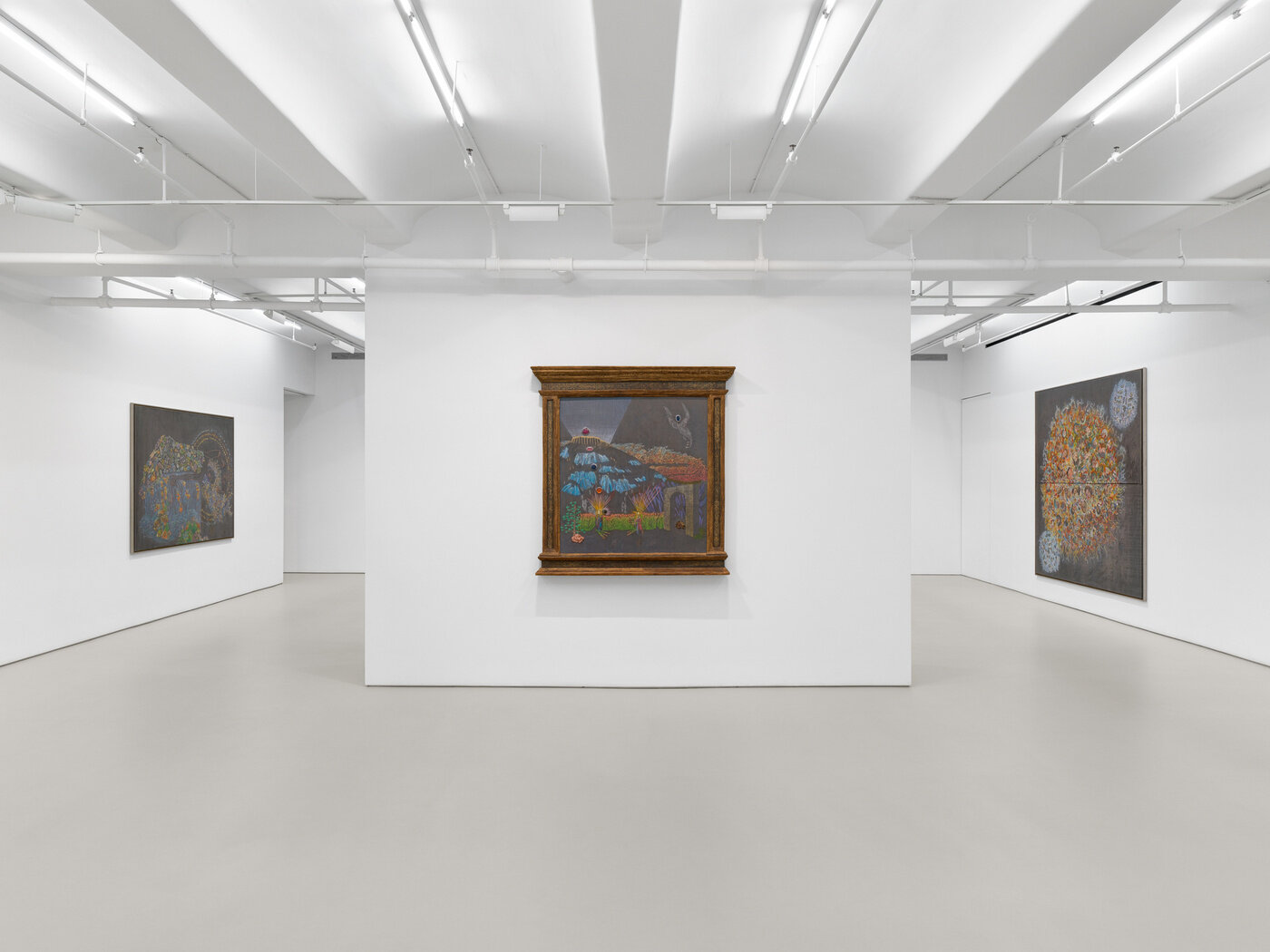
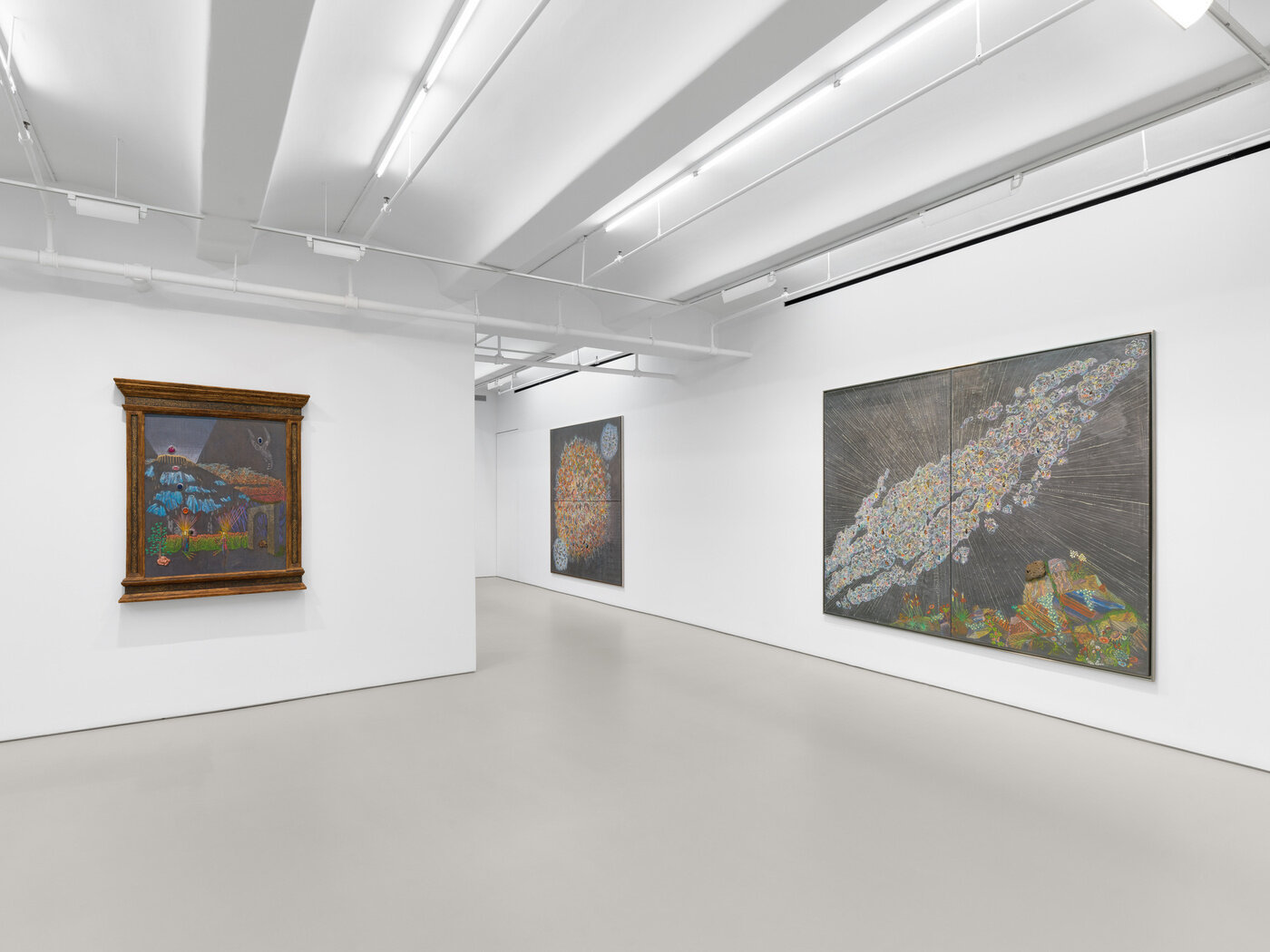
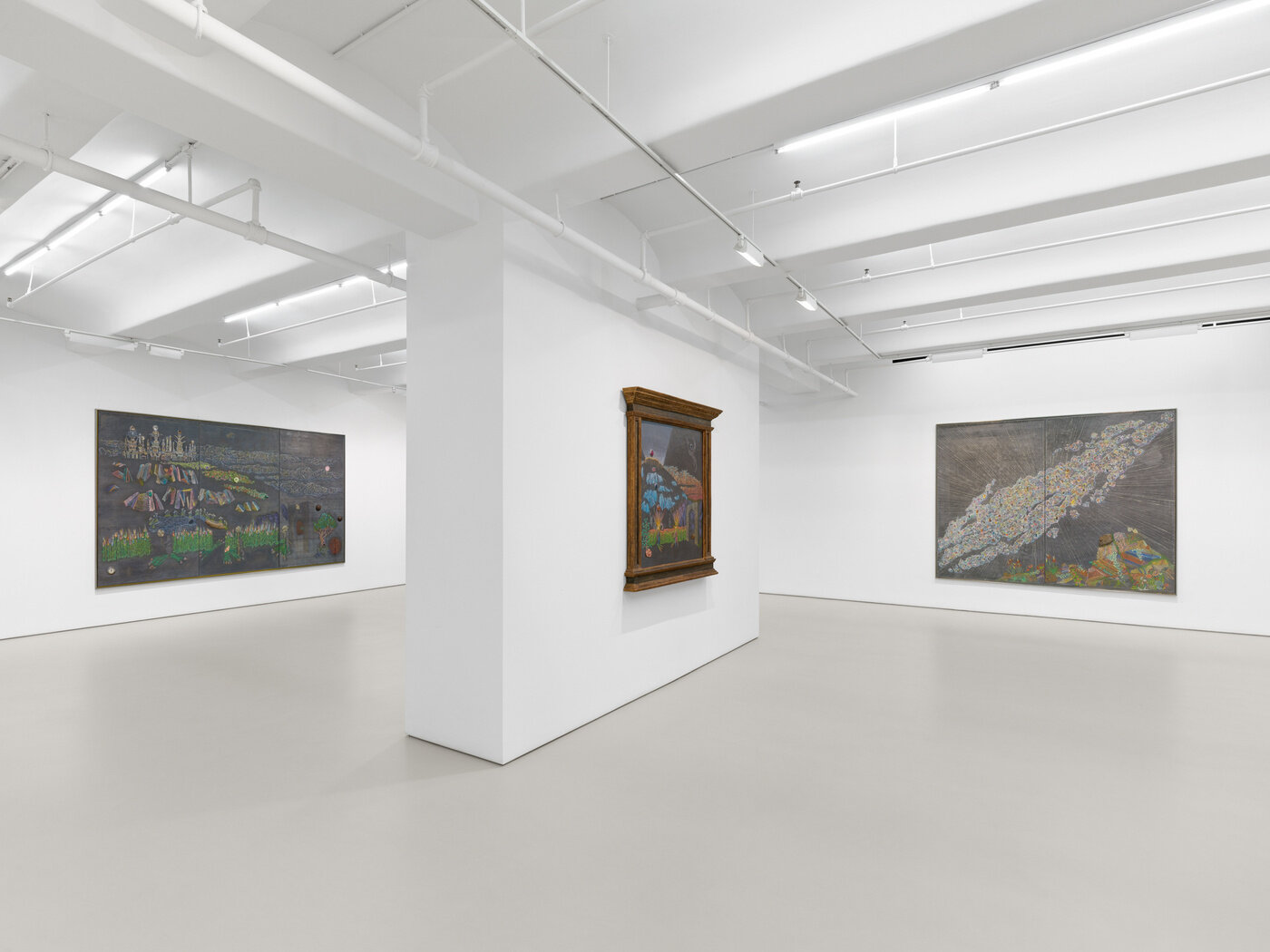
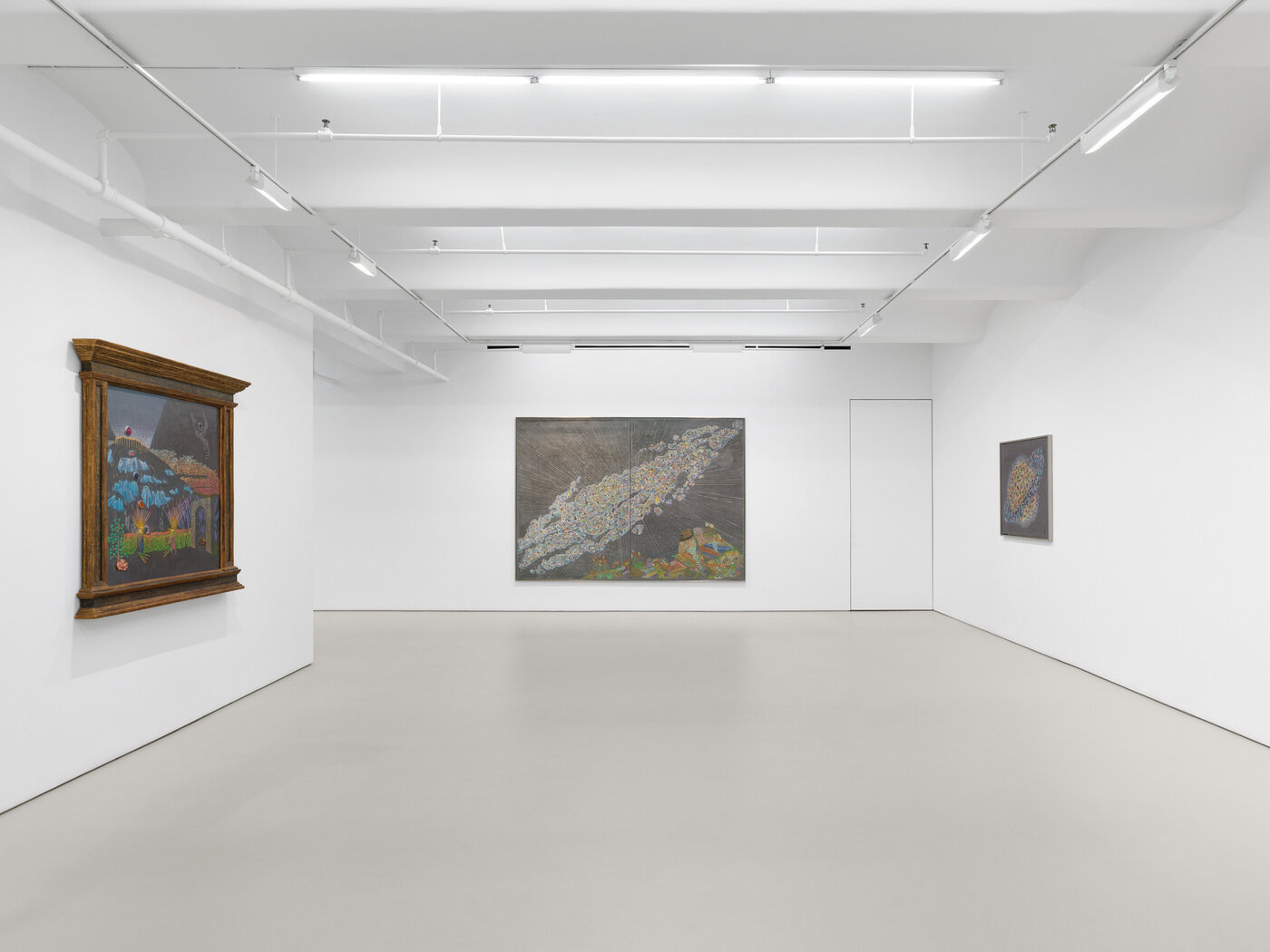
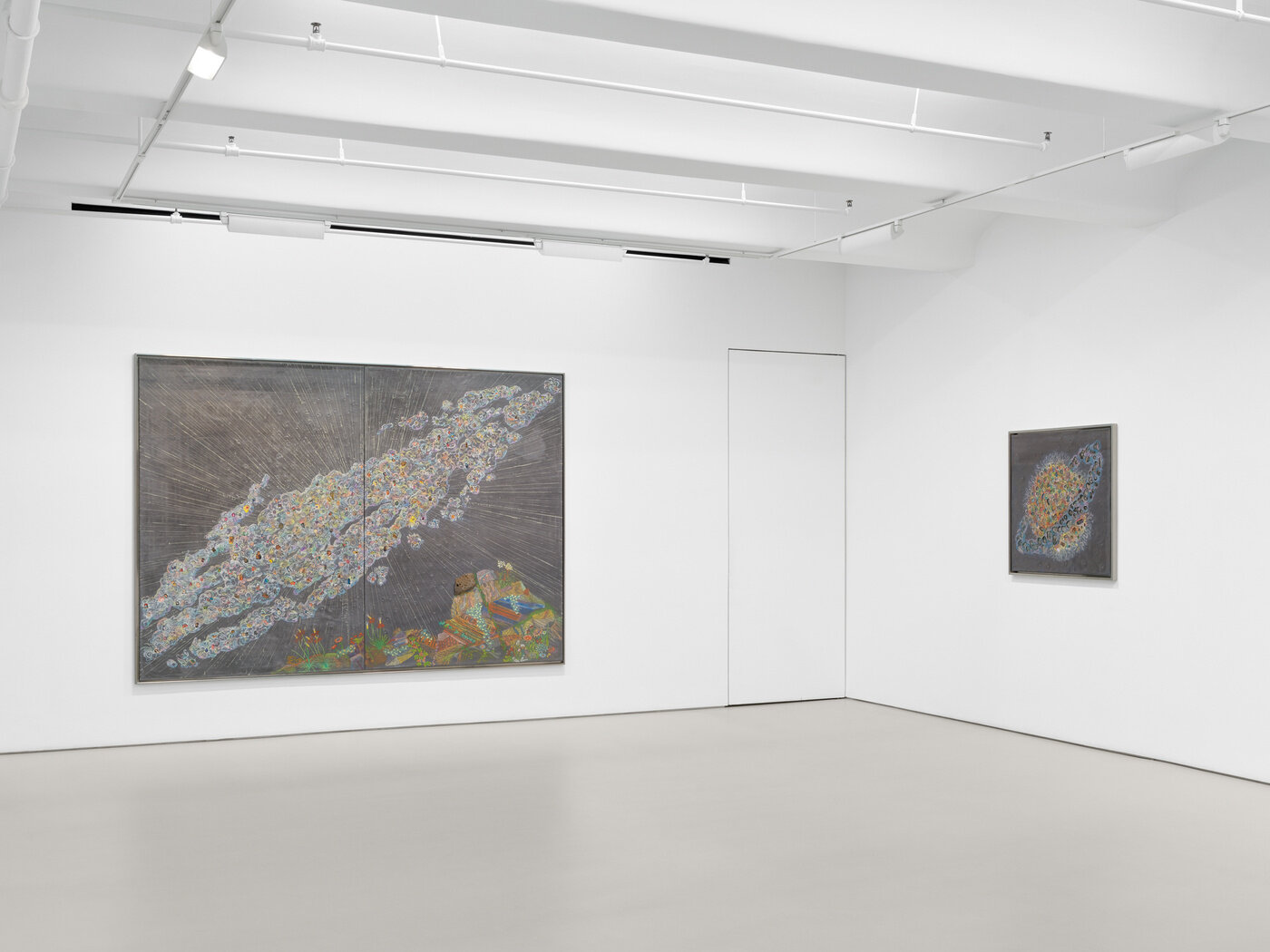
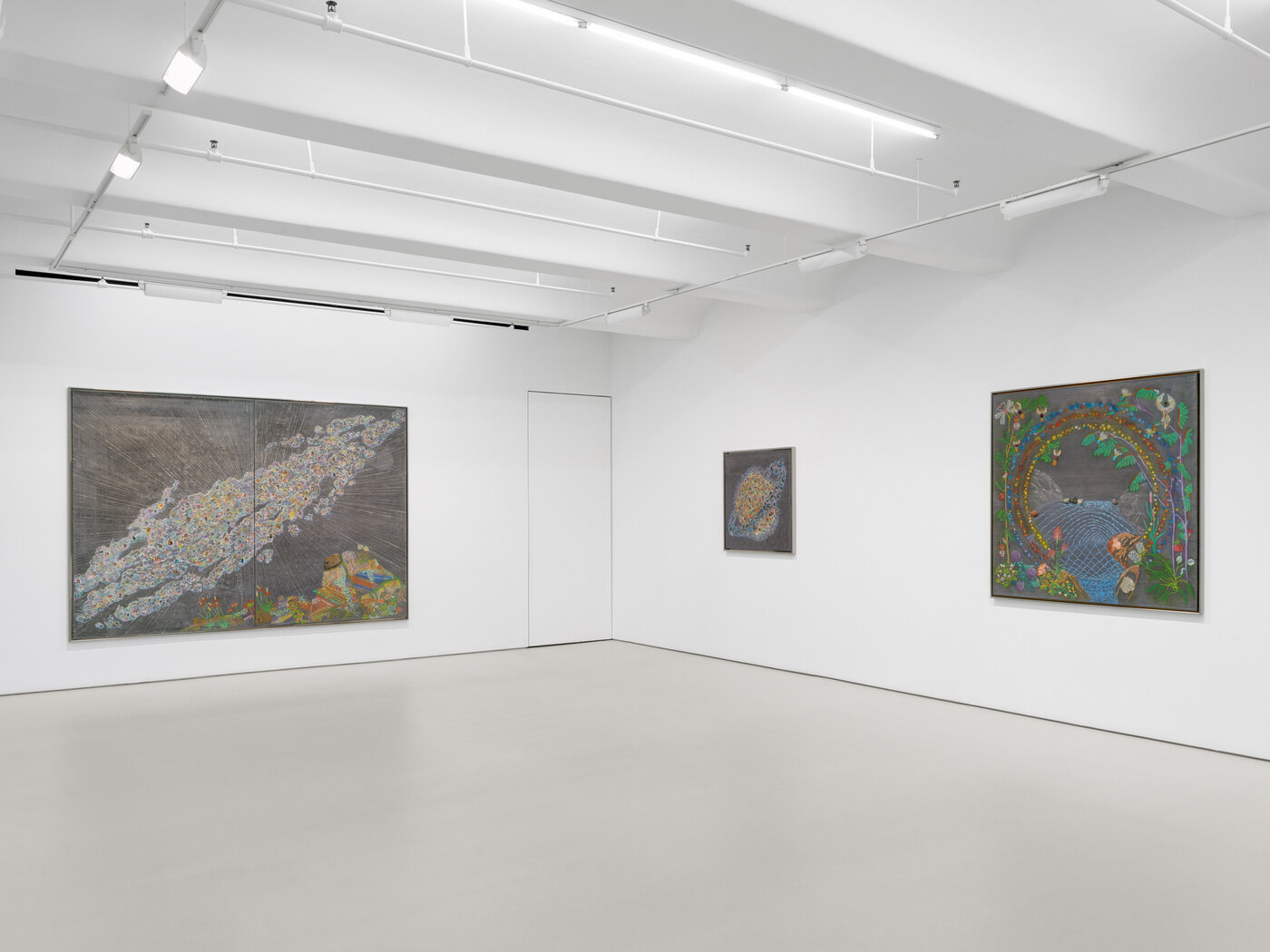
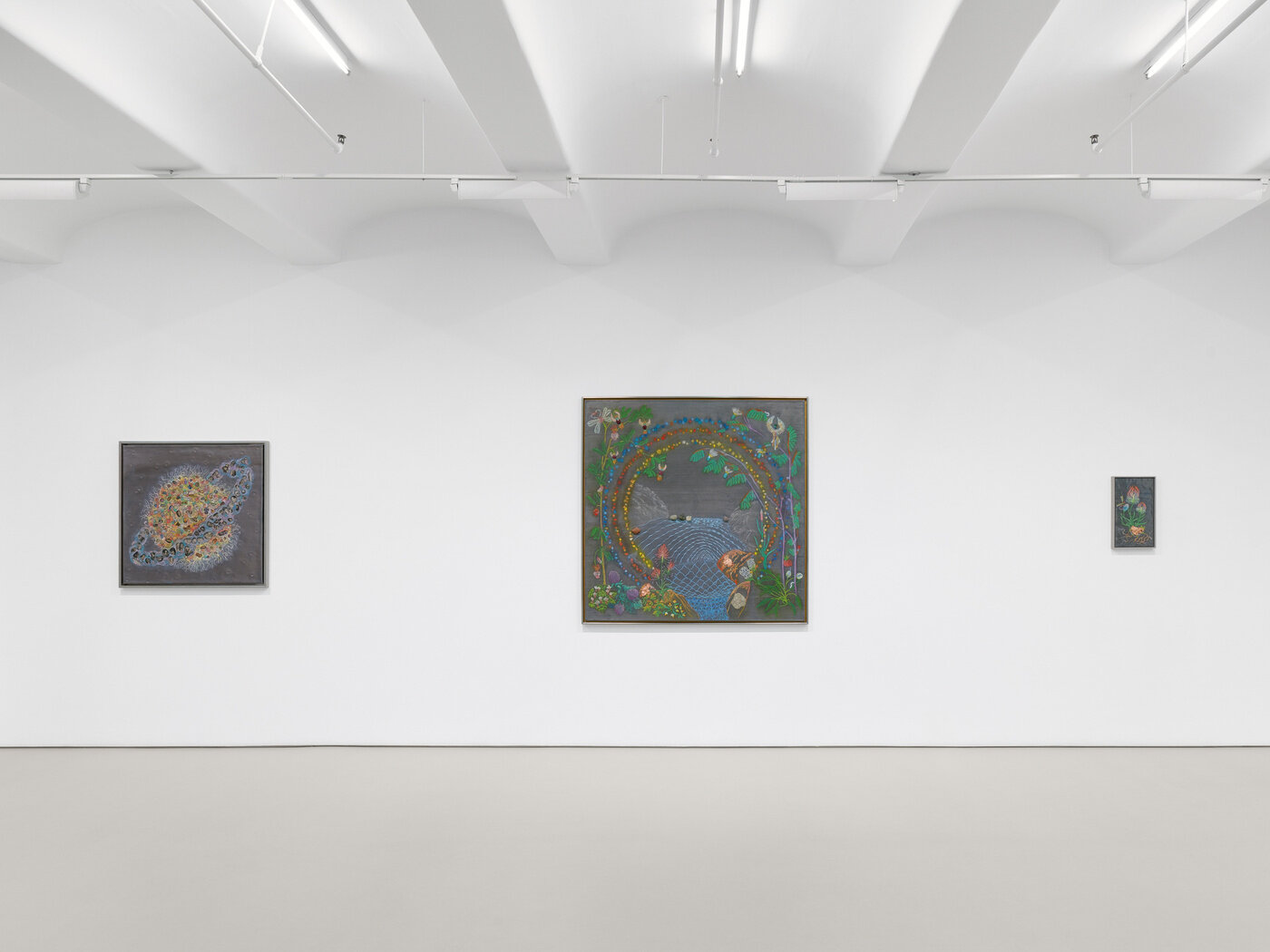
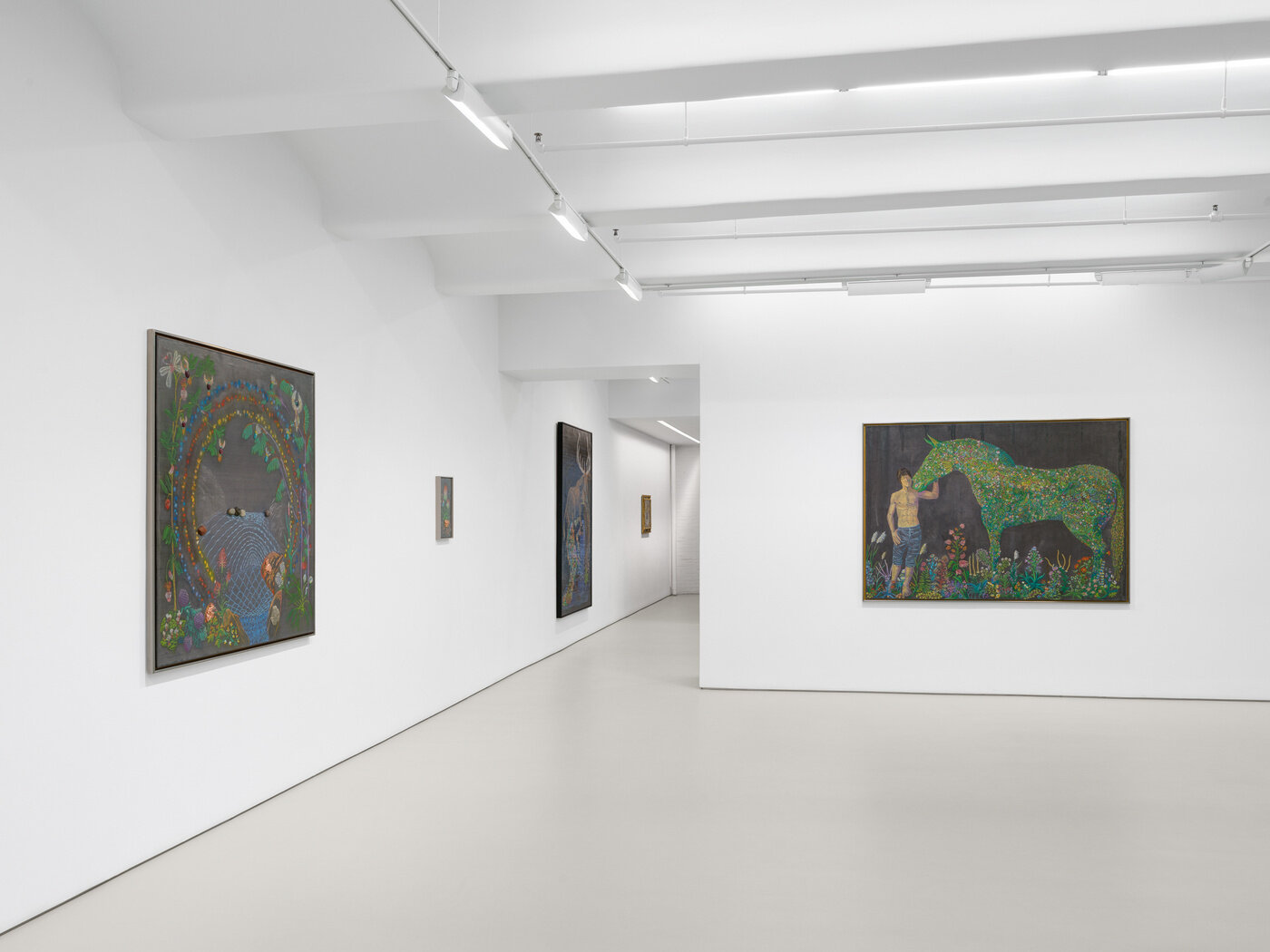
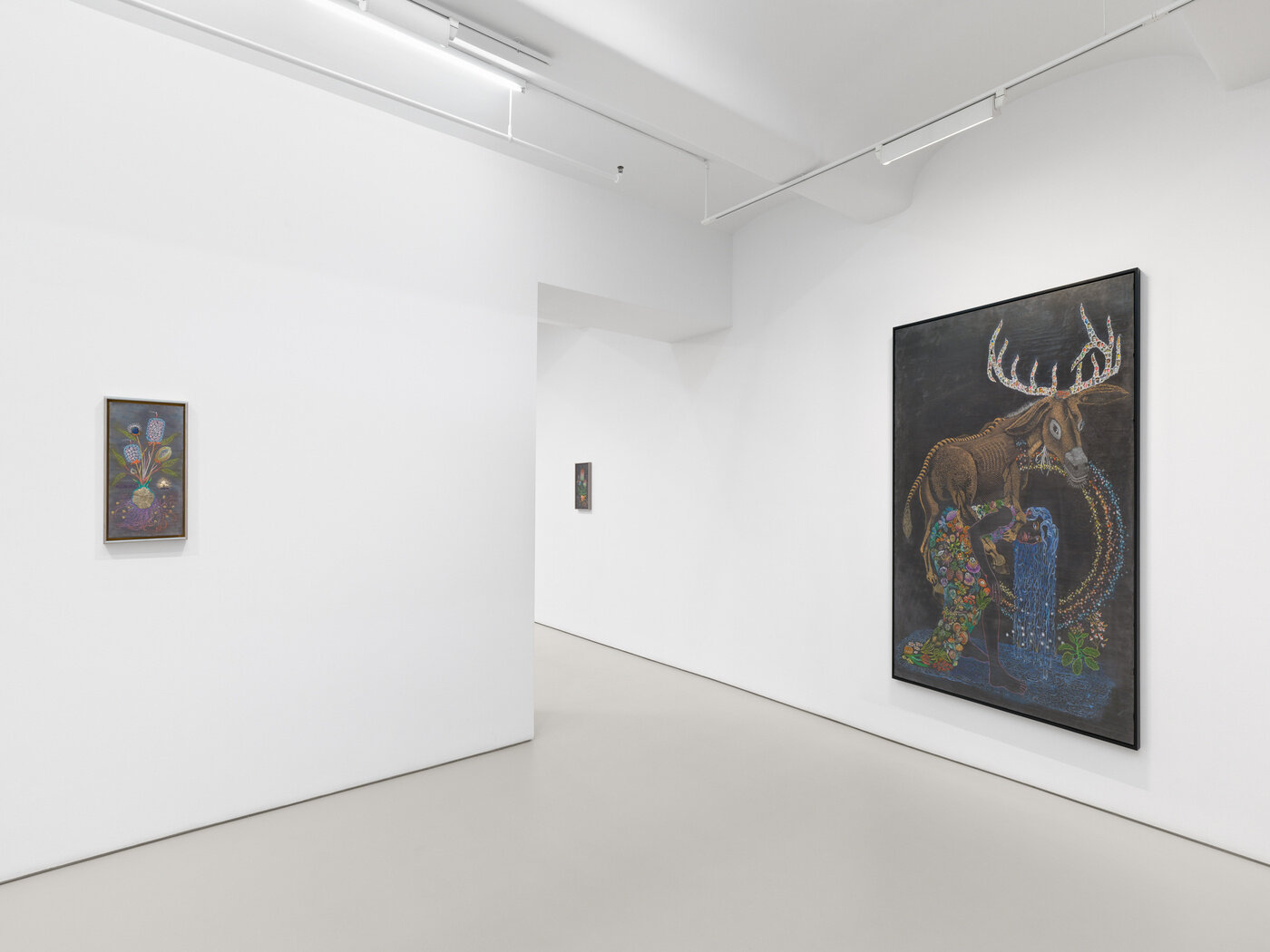
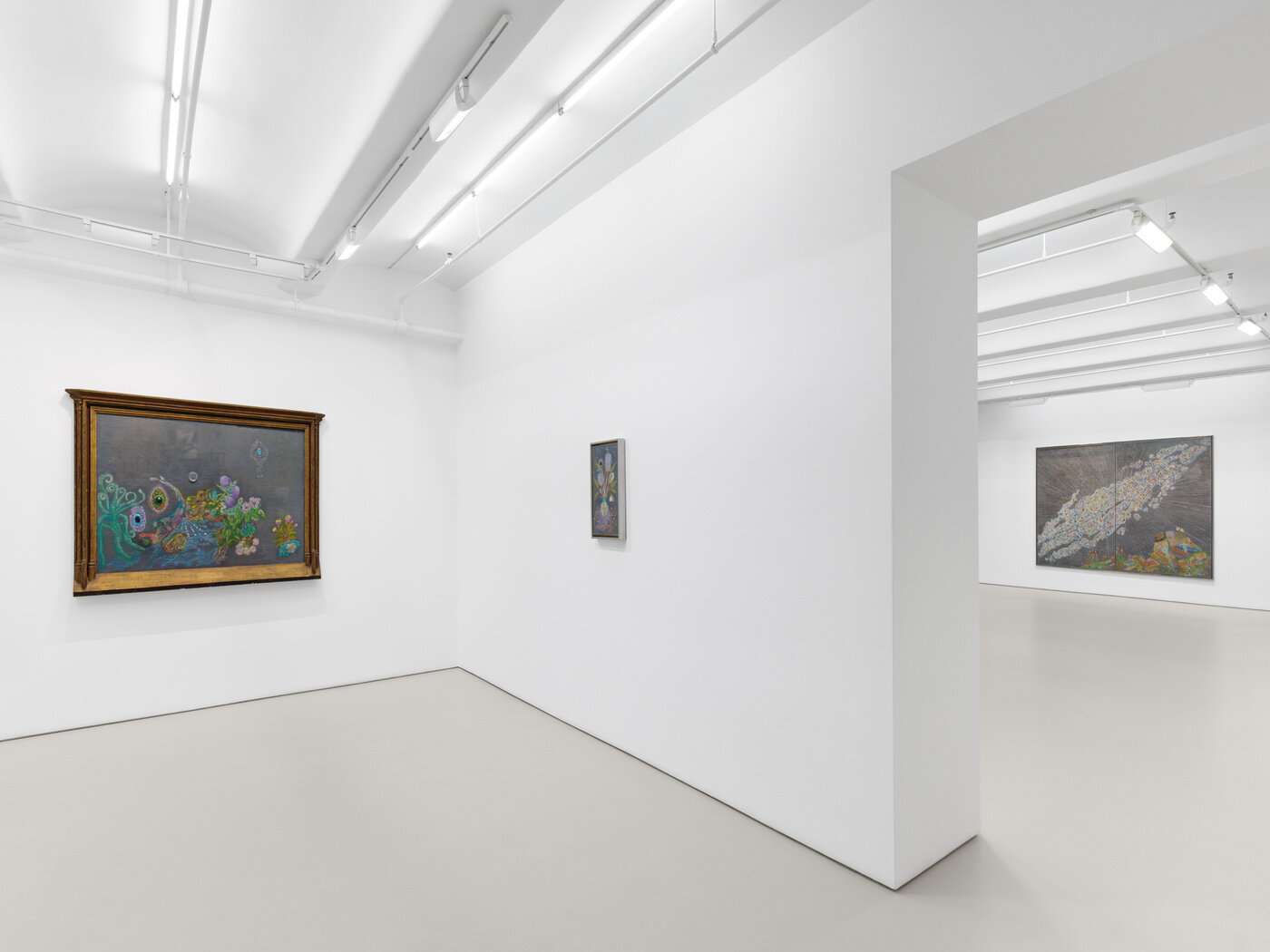
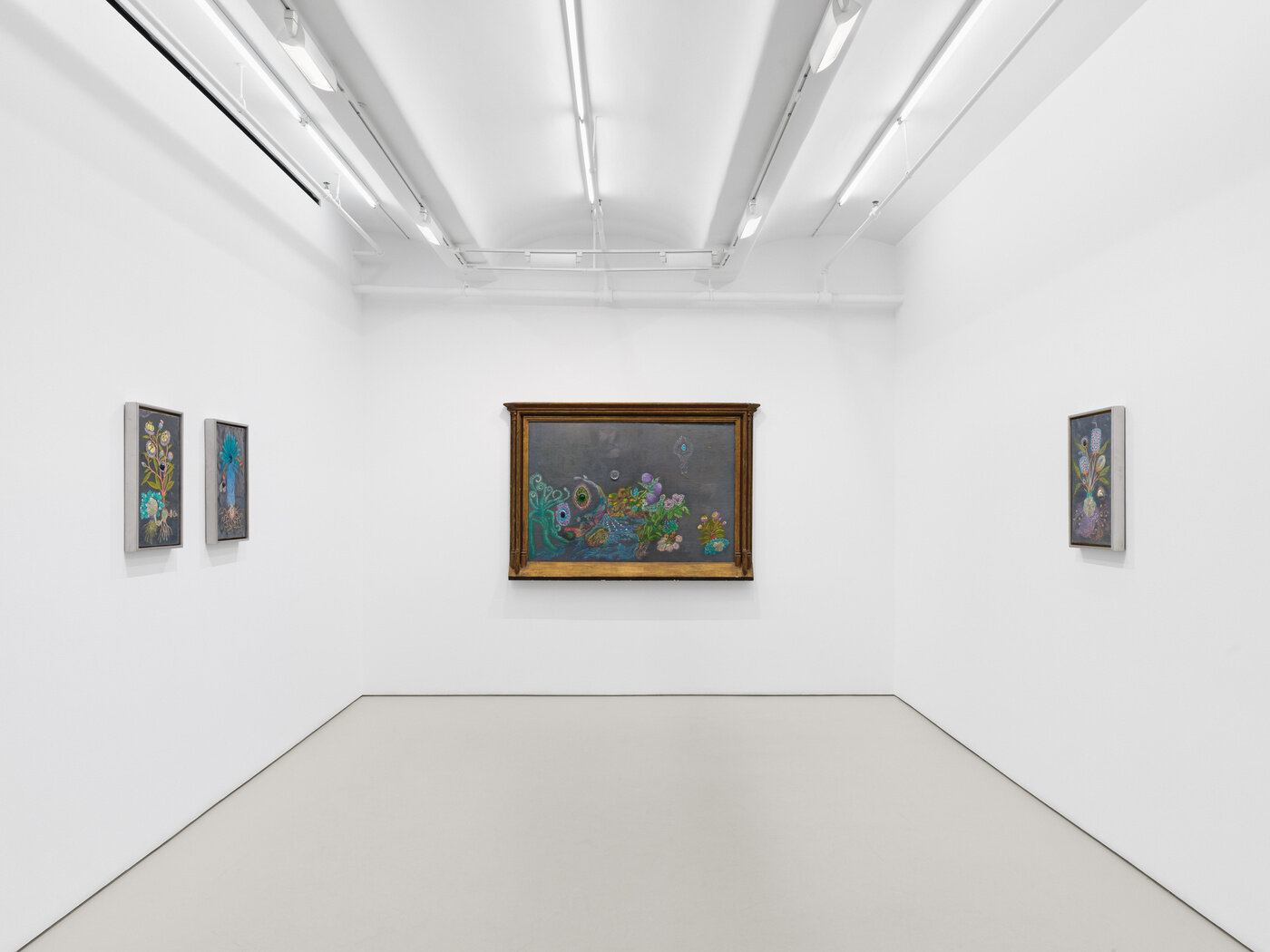
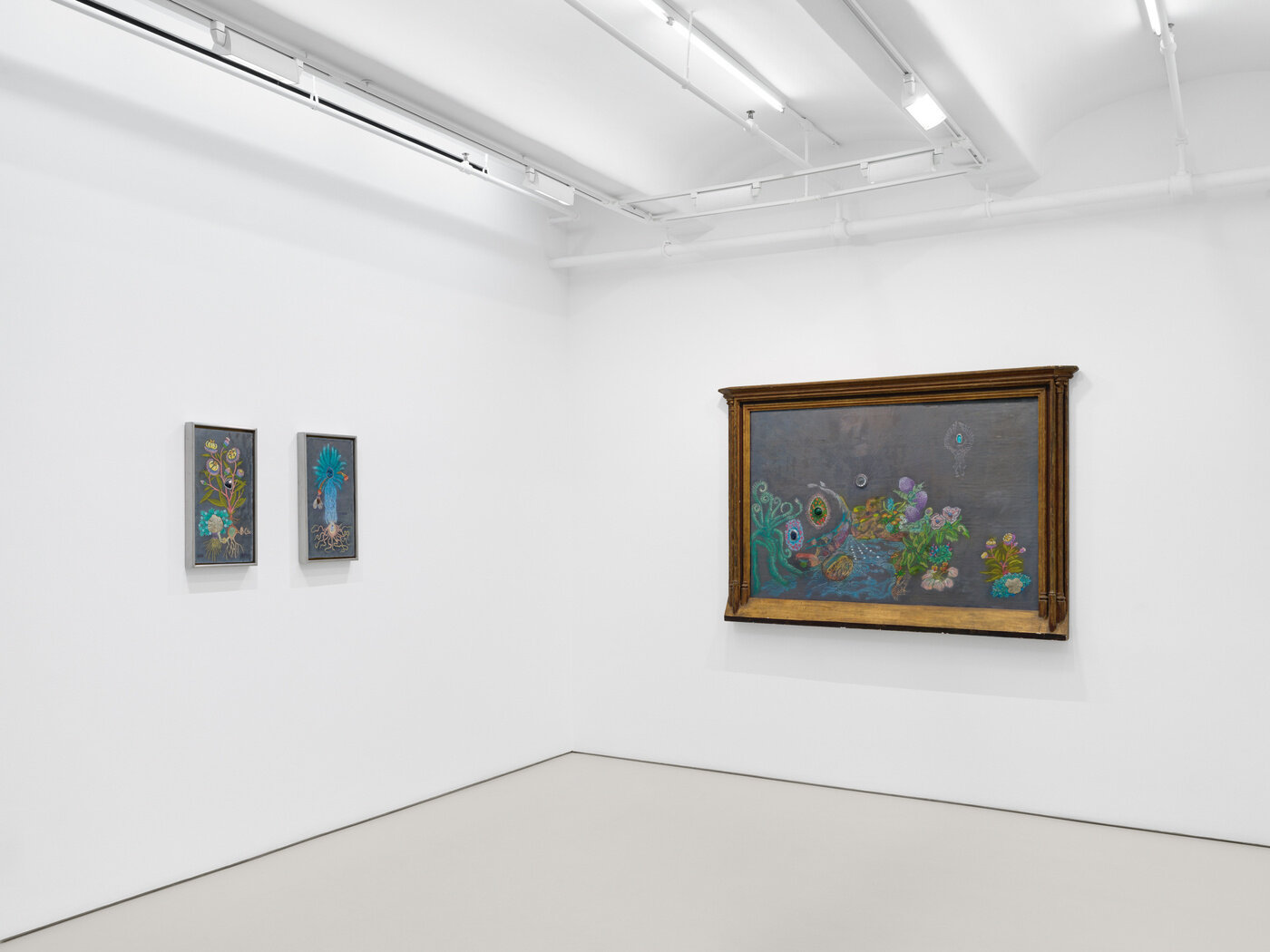
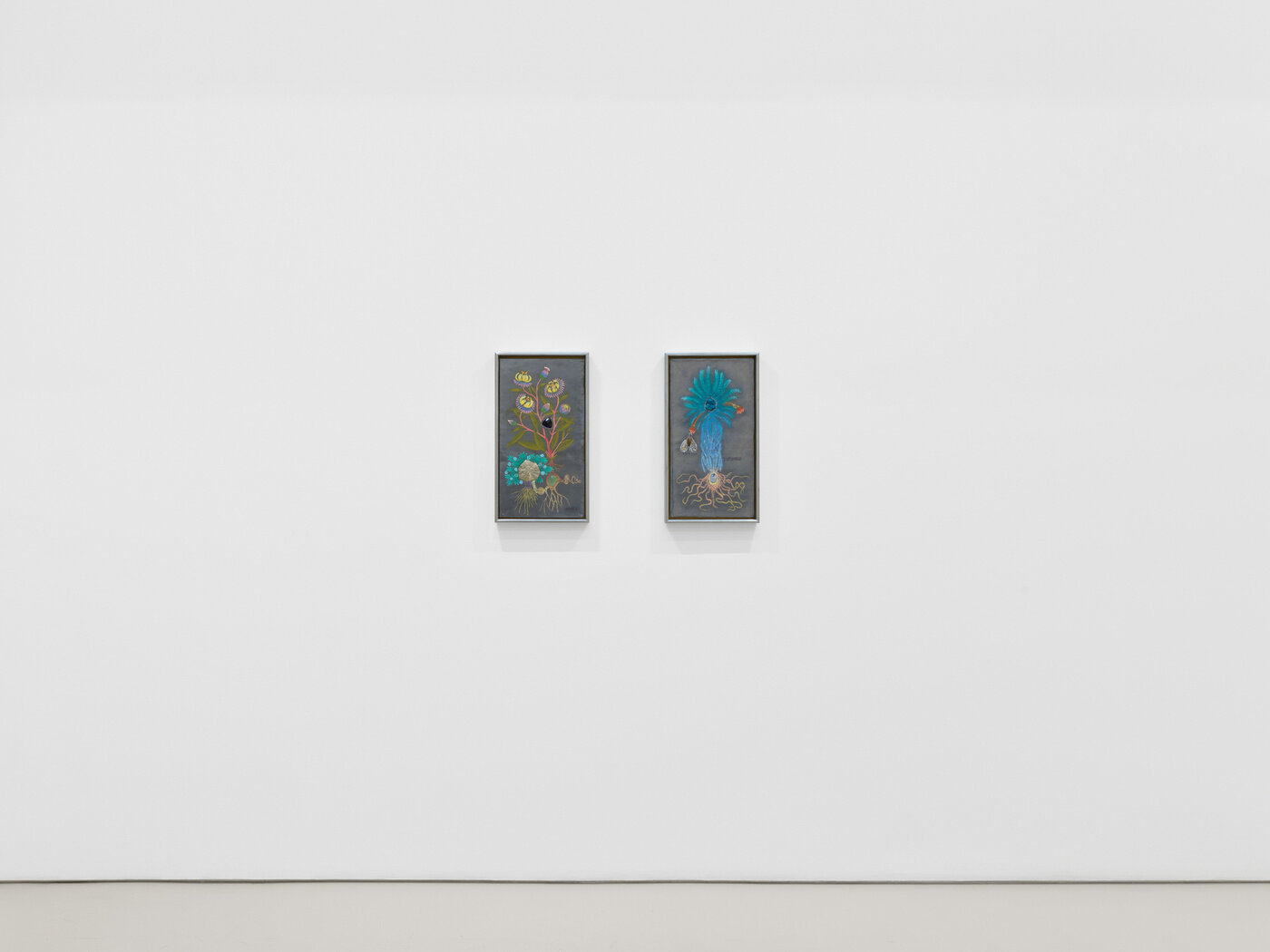
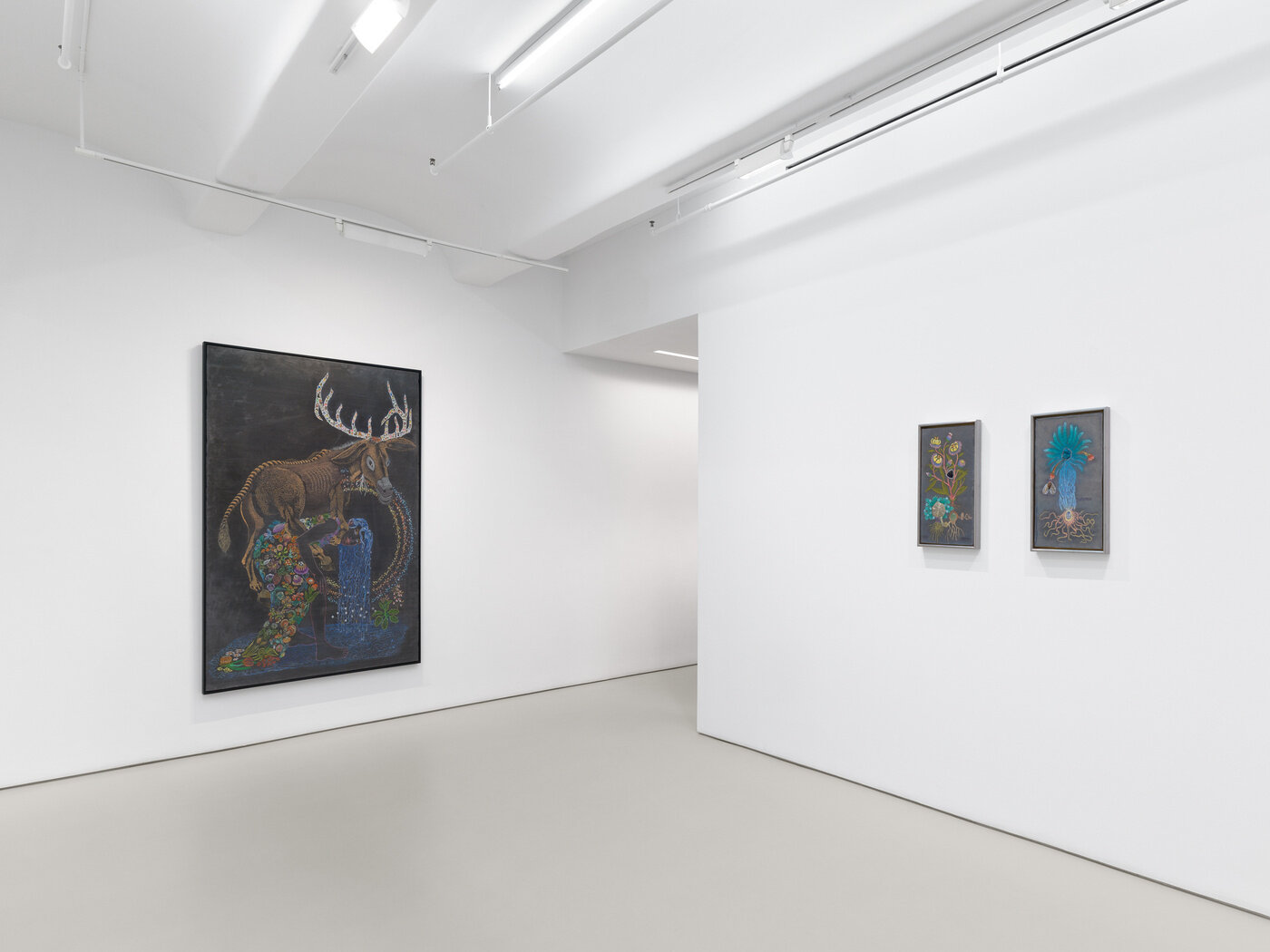
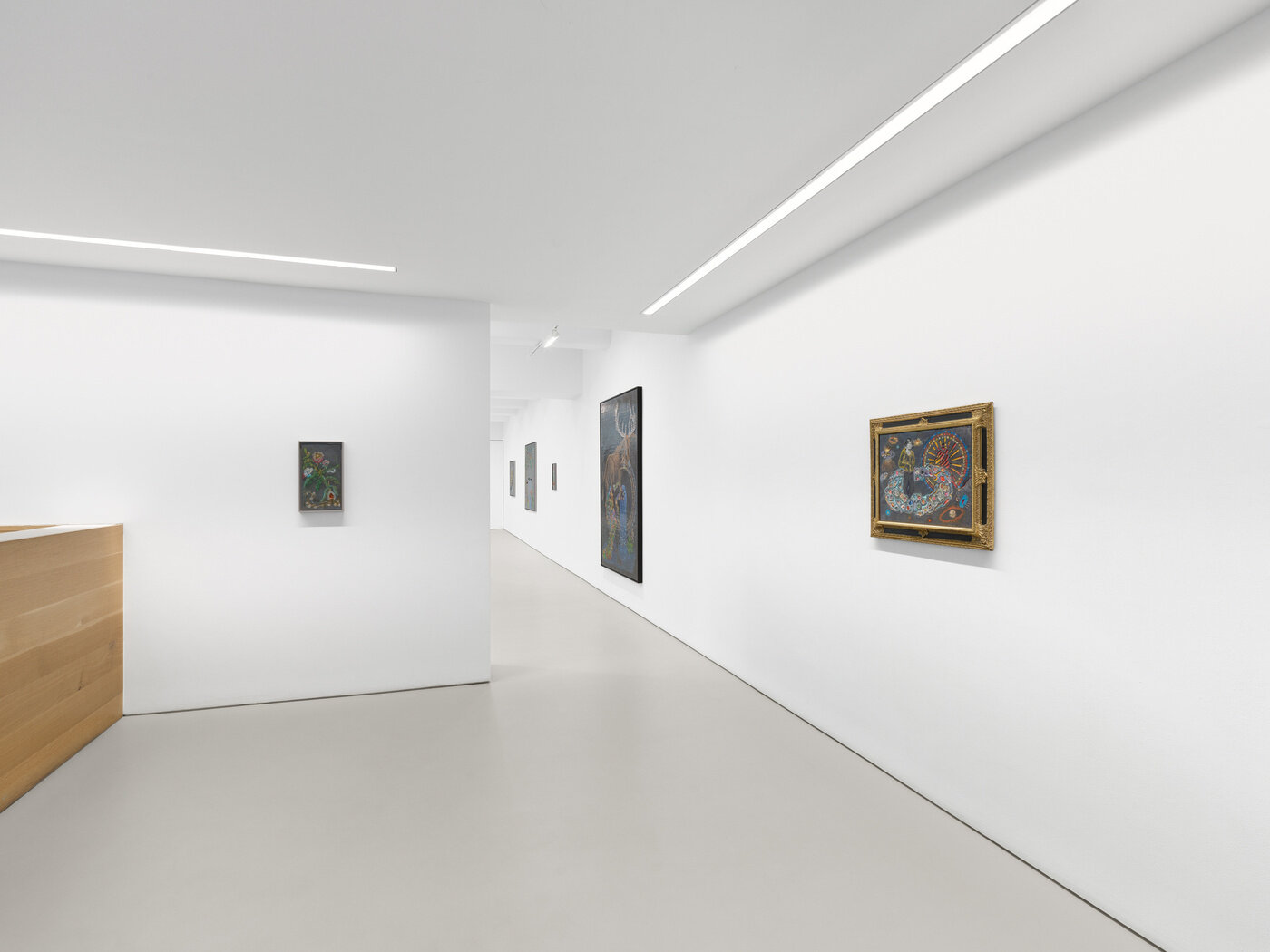
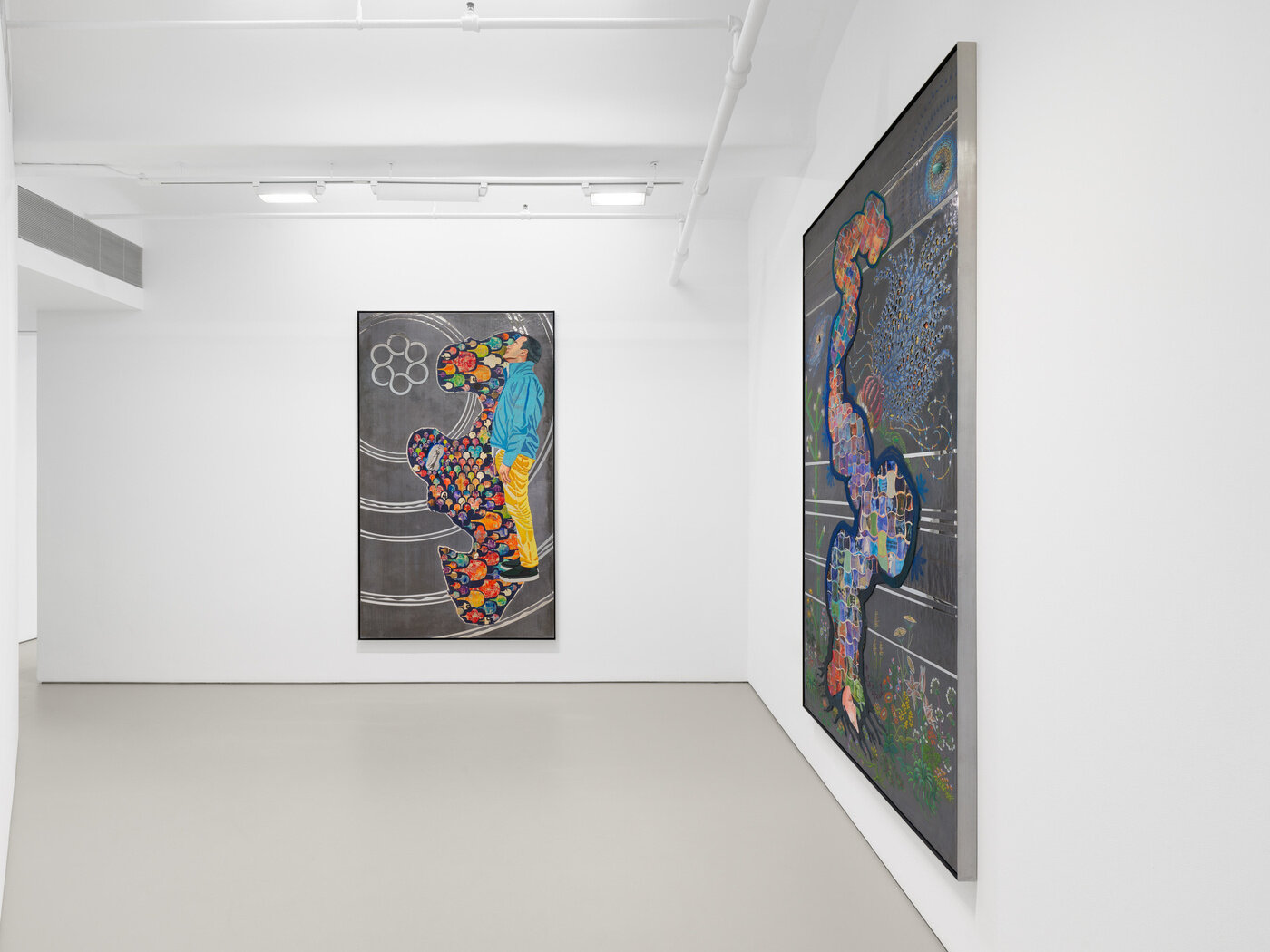
Jack Shainman Gallery is pleased to announce Anima Mundi, an exhibition of new work by Carlos Vega in which the artist considers the transhistorical nature of spirituality. Across several large-scale works on lead, which incorporate gemstones and Renaissance-style frames, Vega describes nature and humanity as more than the simple sum of materialism or biological necessity, instead suffused with both mystery and revelation.
Over the past thirty years Vega has drawn inspiration from the vast and expanding story of humanity, looking with particular interest at the way individuals and societies alike have sought a deeper understanding of life through spiritual reflection or expression. Though often associated with the dogma of institutional religion, in Vega’s work spirituality and the worldly pursuits it motivates are fueled by an acknowledgement of the structure of feeling, purpose and connection between all living things. Vega often blends figuration with abstraction to capture the multi-dimensional nature of observable reality to suggest a hidden complexity, one that complicates our belief in scientific inquiry as being able to reveal the meaning behind all that exists.
Crucial to Vega’s work and the many layers of meaning they create are the materials that he employs, using lead as a substrate that anchors precious gemstones, Renaissance-era frames, printed images and postage stamps. Each of these diverse materials is imbued with stories of past use and older forms of symbolic or cultural meaning. By connecting these different stories together Vega highlights how even the most heterogeneous of objects maintain a soulful connection with one another. The use of lead is of particular importance to Vega, rooted as it is in both his personal history of collecting bb gun bullets and figurines made of lead, along with religious traditions which understand it as a material capable of purification or transformation. For Vega, lead recalls the study of alchemy, which sought to transmute it into gold. Just as this pursuit reflects a unique intersection of philosophy, mysticism and science, so too does the use of this material seem to imbue his subjects with presence, making them animate in their two-dimensionality.
Rooted in ancient Greek and Roman philosophy, the concept of ‘anima mundi’—or, ‘soul of the world’—suggests that all matter is bound together and connected as if by a single, unitary soul. In Vega’s work this connection is expressed in many ways, from subject to composition to use of materials. Several of the works in the exhibition show Vega creating form and relationships between them in a new way, where the distinction between figure and the surrounding world is blurred or done away with entirely. In works such as Levi (2025), the figure of a horse is described with an intricately constructed network of flora and fauna, suggesting that it is one and the same as the nearly kaleidoscopic arrangement of precisely rendered flowers. In Géa (Gaia) (2025) the primordial goddess of the Earth is shown as an ethereal being shimmering through her body of plants and flowers, much like the horse in Levi. In both works, the brilliant color and elegant forms invokes Vega’s belief in the majesty—and complexity—of life itself.
In Red Giant (2025), Vega explores the overlapping of scientific knowledge with human psychology. The work is titled after the astronomical phenomenon whereby a dying star expands before rapidly expending its remaining energy and then collapsing and burning out entirely. Vega’s painting considers this cosmic event using the lens of fame by incorporating the faces of celebrities from the middle of the twentieth century that have been cut from magazines and printed ephemera and arranged within celestial bodies. Rather than achieve eternal status, the fame of these bygone stars is fleeting, something which Vega sees as both comforting and aspirational. To him, there is safety within the guaranteed anonymity of the cycles of time and it is with this understanding that he calls to his viewers to brazenly pursue their wildest of dreams.
Whether his works deal with the necessity of spiritual enlightenment or the allure of scientific certainty, Vega’s materials create moments of pause and reflection, allowing for the suggestion that humanity—more than being an accidental bundle of atoms—is part of a timeless pursuit of meaning and significance.
Carlos Vega (b.1963, Melilla, Spain; lives and works between New York and Granada) is inspired by history, mythology and religion, which he uses as a point of departure to explore questions around humanity through painting and mixed-media assemblages. His work often incorporates historical documents—such as antique ledgers, typed cards from library catalogs, postage stamps, newspapers and labels—into paintings on canvas and lead, which he then punctures, etches and paints over. Vega also often employs allegorical iconography, such as trees, with their implicit references to family trees or trees of life and animals, particularly elephants and donkeys. Celestial imagery is also a continuing theme within his practice, which uses images from other galaxies generated by The Hubble Space Telescope and imagines worlds far away that help us better understand our own.